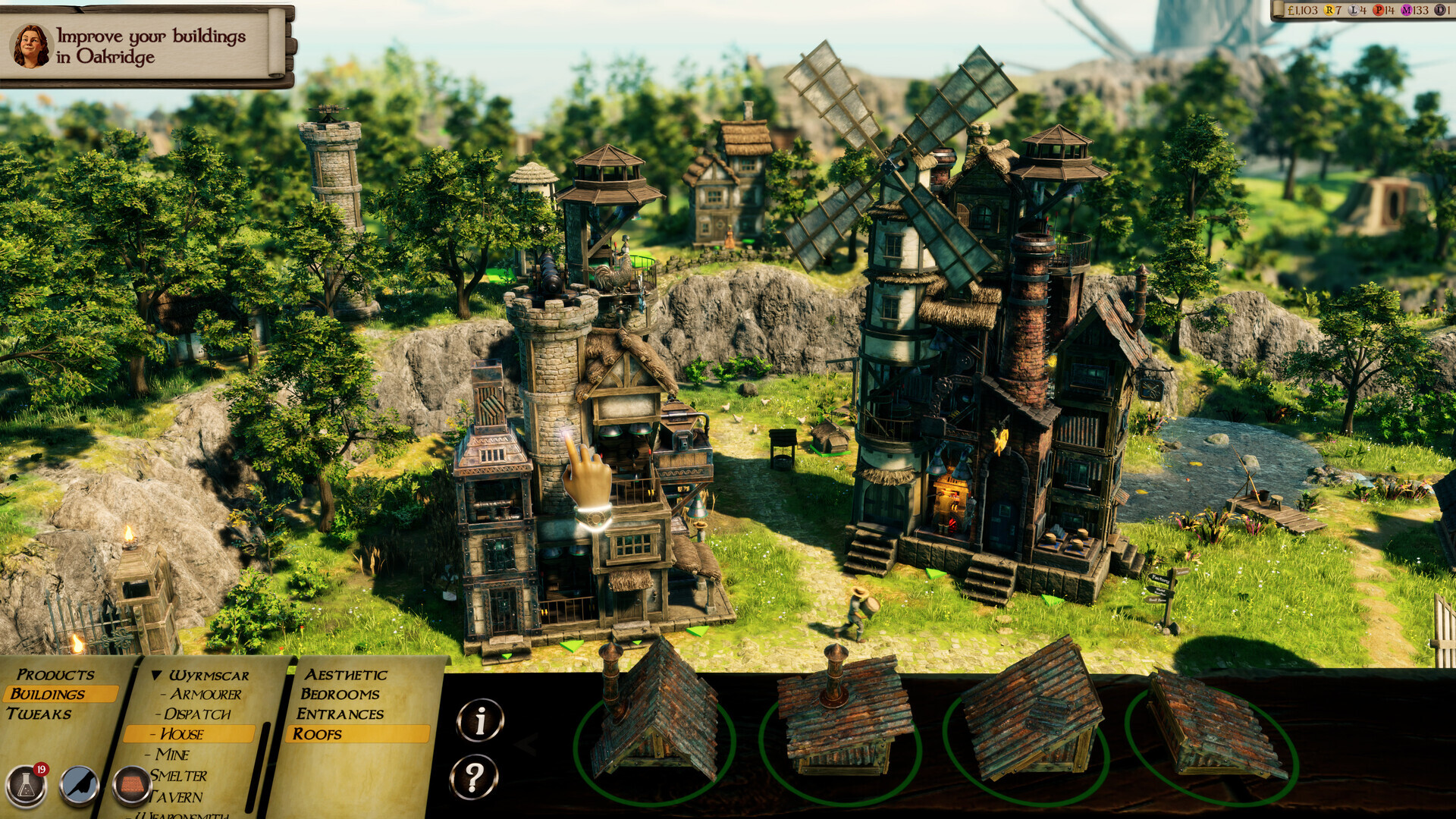
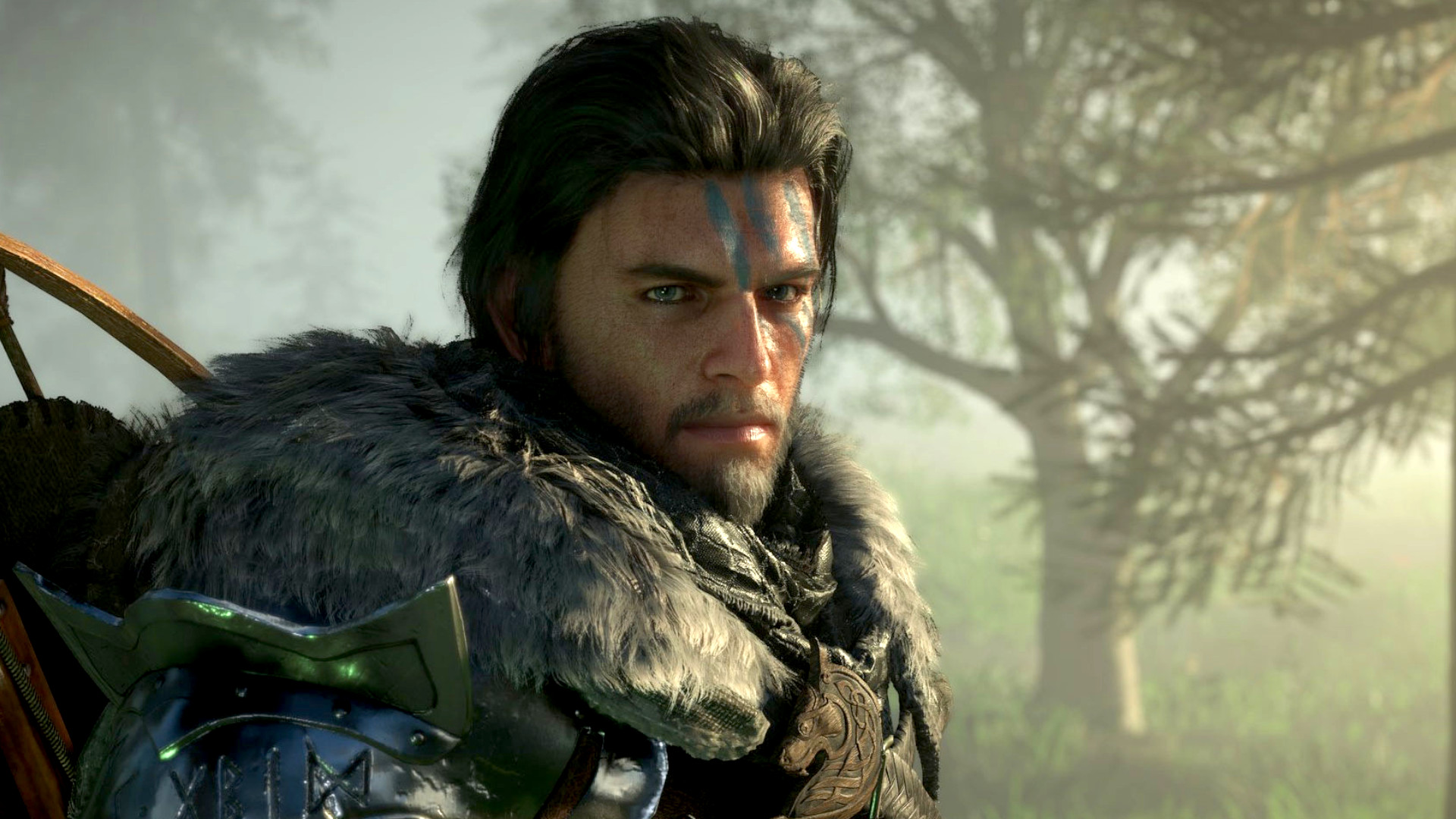
Players diving into the open-world action of Crimson Desert have stumbled upon visuals that appear to be AI-generated, yet no mention of generative AI tools is made in the game's marketing or on Steam.
The discovery has ignited debate over whether developers are meeting modern expectations for transparency when it comes to AI-assisted content creation. The game's art style, while striking, bears hallmarks commonly associated with AI output—smooth textures, unnatural lighting, and a lack of organic imperfections that hand-crafted assets typically exhibit.
The Art That Stands Out
Close inspection reveals inconsistencies in how objects, characters, and environments are rendered. For example, foliage appears too uniform, lacking the natural variation one would expect from real-world scanning or manual creation. These visual cues suggest an AI tool was used to generate at least some of the game's assets, yet no developer statement or technical breakdown has been provided.
Industry Push for Clarity
This isn't the first time AI-generated art has surfaced in games without proper disclosure. Earlier this year, similar concerns arose around another open-world title, where players noted an unusual level of detail that later proved to be AI-assisted. The lack of transparency risks eroding trust, especially as generative AI becomes more prevalent in game development.
What Players Want
The backlash underscores a growing demand for developers to clearly label AI-generated content—whether through in-game credits, developer statements, or marketing materials. Without such measures, players may feel misled, and the industry as a whole could face scrutiny over its use of emerging technologies.
For now, Crimson Desert remains available on Steam without any indication of AI involvement, leaving players to wonder: if this is the future of game art, what does it mean for authenticity and creativity in gaming?