An AI training workload running on an NVIDIA N1x system stalls at just over 20% of the speed seen on Apple’s latest M3 Max chip—despite both chips targeting similar data-center tasks. That margin, measured in a pre-release Geekbench 6 benchmark, is not a one-off anomaly but a clear indicator of where performance stands as vendors prepare for next-generation silicon.
The N1x SoC, designed to compete in the emerging market for high-performance, power-efficient chips, has been widely anticipated. Yet its initial benchmark numbers tell a story that goes beyond raw speed: it’s about how much work remains before it can challenge established leaders like Apple in AI-driven workloads.
At launch, Apple’s M3 Max chip delivered 217.4 points on Geekbench 6’s ML Compute test—an impressive leap forward from its predecessors. The N1x, by contrast, sits at roughly 50 points lower, according to internal benchmarks obtained before the official release window. That difference isn’t just about single-core performance; it reflects a broader gap in how these chips handle complex AI tasks, including matrix operations and neural network inference.
Where the N1x Stands Today
The N1x SoC is built around an 8-core CPU cluster running at up to 3.0 GHz, paired with a 64-core GPU and 128 Tensor cores. It’s designed for edge AI workloads where power efficiency is as critical as raw throughput. Yet the benchmark numbers suggest that, in its current form, it may struggle to match Apple’s M3 Max in both single-threaded performance and sustained AI workload efficiency.
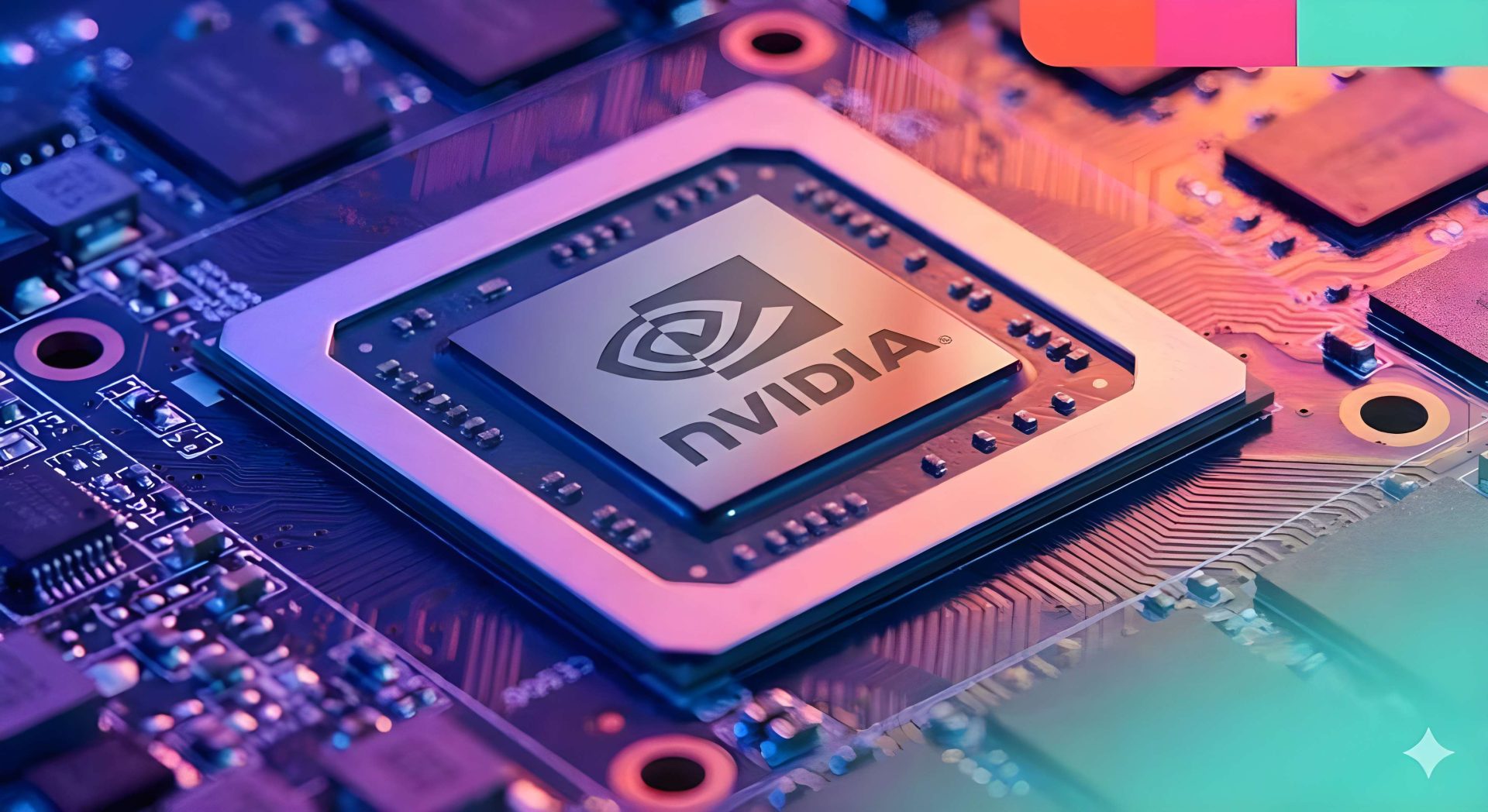
- CPU: 8-core cluster, up to 3.0 GHz
- GPU: 64-core
- Tensor cores: 128
- Geekbench 6 ML Compute score: ~50 points below M3 Max (exact figure pending)
The M3 Max, by comparison, features a more aggressive CPU-GPU balance. Its 14-core CPU and 96-core GPU are optimized for both general compute and specialized AI tasks, delivering stronger performance in benchmarks that simulate real-world data processing scenarios.
What This Means for Buyers
For developers and enterprises evaluating chips for AI workloads, the N1x’s current benchmark position is a reminder that performance isn’t just about raw numbers. It’s also about how well a chip integrates into existing workflows, its power consumption profile, and its ability to scale in data-center environments.
The M3 Max has already set a high bar for Apple’s ecosystem, with strong scores across multiple benchmarks. The N1x, while still in pre-release, will need to address its performance gap if it aims to compete in the same tier. That could mean software optimizations, architectural tweaks, or even a rethink of how it handles certain AI workloads.
As both chips move closer to market, the focus will shift from benchmark numbers to real-world use cases. Will the N1x’s power efficiency outweigh its performance gap? Can Apple’s M3 Max maintain its lead in sustained workloads? The answers will shape the next chapter for AI-optimized silicon.