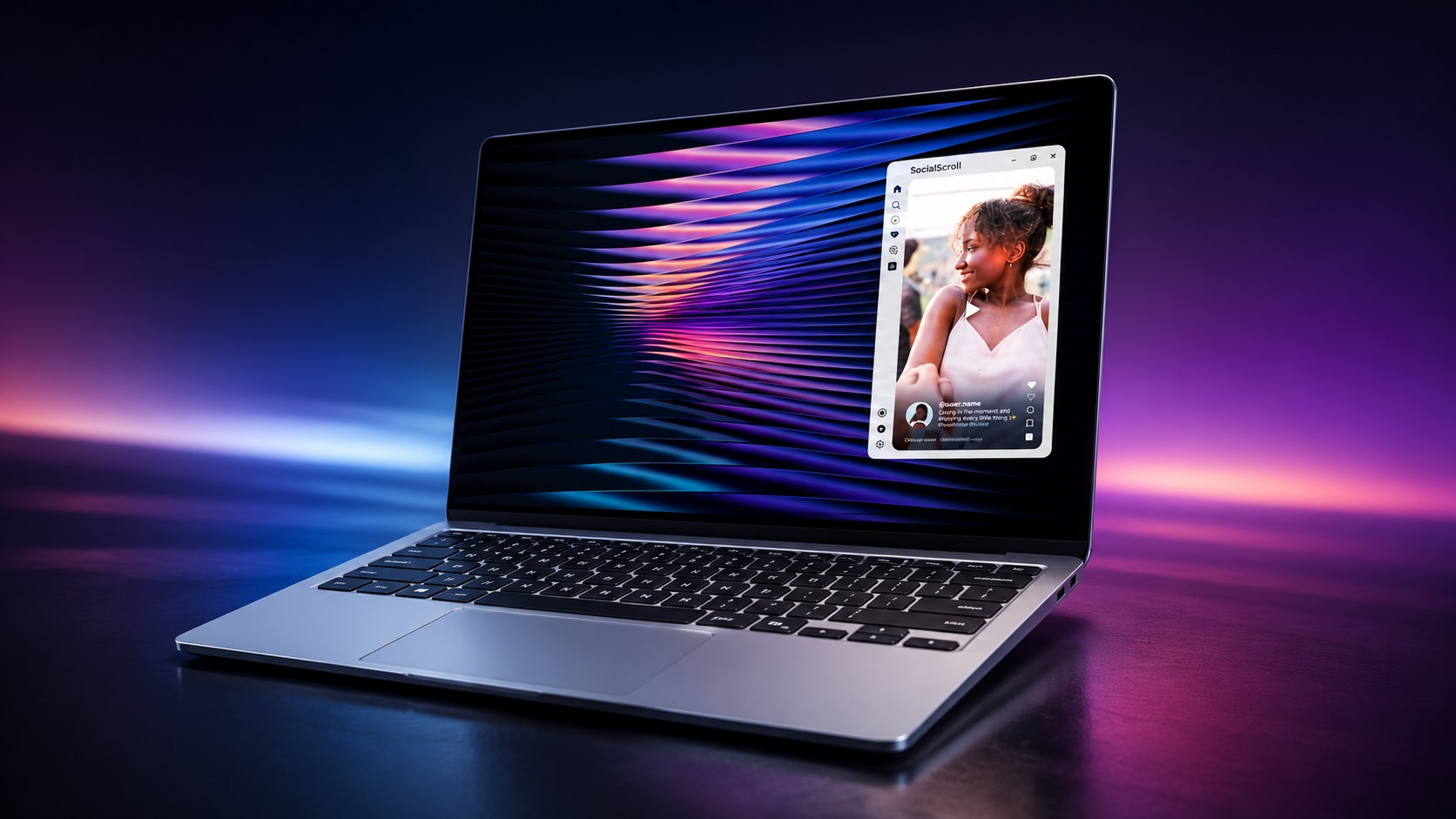
The Dell XPS 13 has undergone one of the most significant price adjustments in recent years, dropping its entry-level configuration to $599 while simultaneously upgrading to Intel's Wildcat Lake processors. This move doesn't just make it more accessible—it redefines what buyers should expect at this price point.
Previously, the XPS 13's reputation was built on high-end specifications that justified its premium pricing. Now, features like 8GB of LPDDR5 RAM and 256GB PCIe Gen 4 SSD storage, once reserved for more expensive models, are standard even in the base configuration. The 13.4-inch OLED touchscreen with 90% DCI-P3 color gamut ensures that visual quality remains unchanged, but the question arises: is this still a premium experience when so many competitors now offer similar specs at comparable prices?
Performance and tradeoffs
The new base model brings significant improvements in raw performance with Wildcat Lake processors, which deliver up to 15% better efficiency than previous generations. However, some high-end features are missing from the $599 configuration, such as Thunderbolt 4 support—it instead uses USB-C with USB4 alt mode. Battery life may also lag behind higher-tier models, meaning users who rely on all-day portability might need to look elsewhere.
A shift in expectations
This price cut could signal a broader trend where the baseline for premium ultrabooks rises, pushing manufacturers to include more features at entry-level prices. If other brands follow Dell's lead, consumers may soon expect even more from a $600 laptop without feeling shortchanged. For now, the XPS 13 remains a strong choice for those who prioritize build quality and display over additional ports or extended battery life.
Who benefits?
- Students and remote workers who need reliable performance but don't require high-end features.
- Budget-conscious professionals who still want a premium design and high-resolution screen.
- Early adopters who want to experience Wildcat Lake processors without the higher price tag.
The $599 XPS 13 doesn't eliminate the need for more powerful configurations, but it does blur the line between what was once considered 'premium' and what is now simply standard. As other manufacturers respond, this could become a turning point in how ultrabooks are priced and perceived.