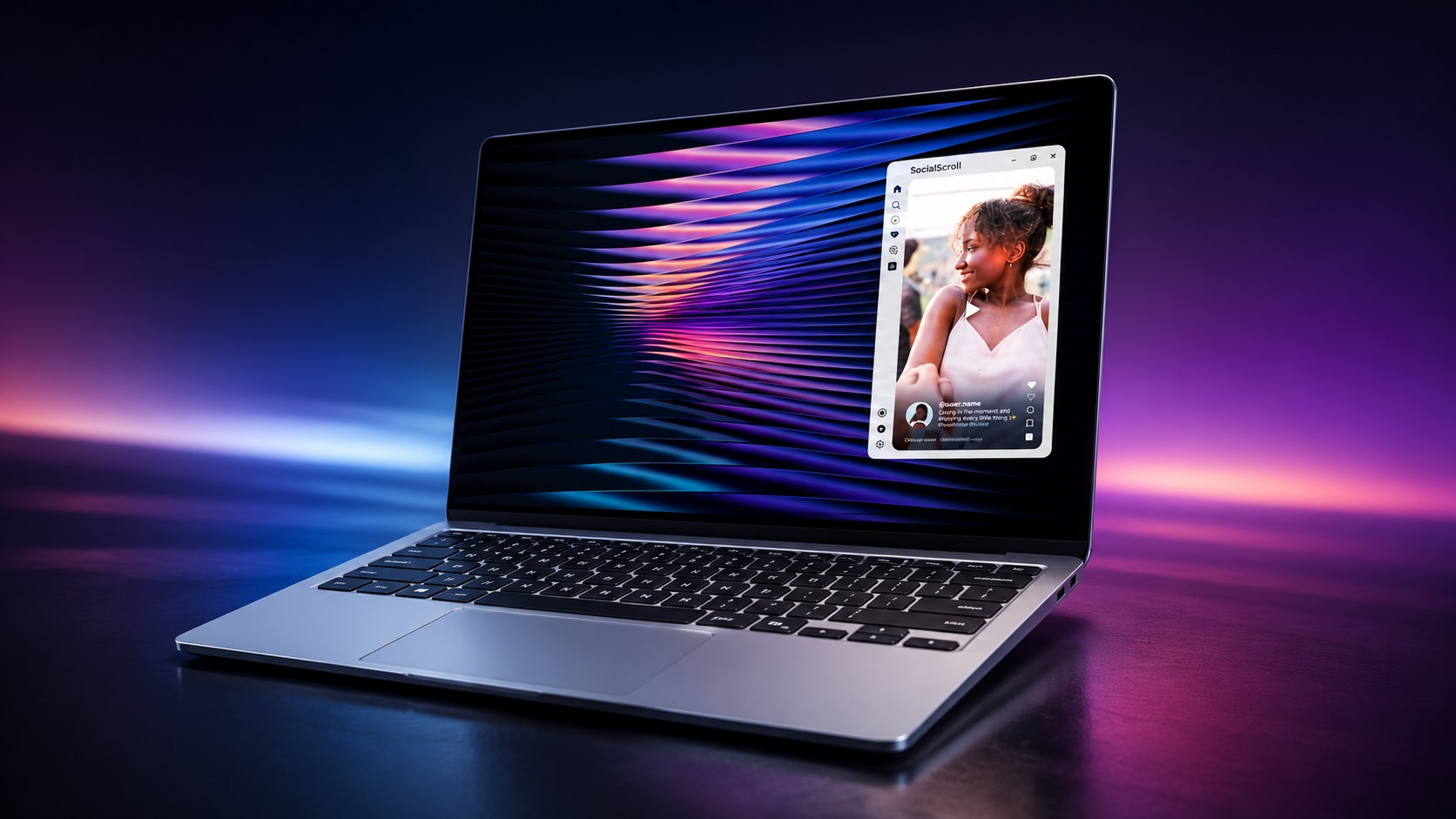
On the surface, it looks like any other ultraportable laptop: sleek aluminum chassis, a dimpled glass display, and a battery that lasts through two workdays. But under the hood, something unexpected is happening.
The heart of this device isn’t just another ARM chip—it’s an evolution of Qualcomm’s Snapdragon C series, now packing a more aggressive CPU architecture that rivals Apple’s latest silicon in raw performance metrics. The tradeoff? Thermal constraints that force engineers to rethink cooling strategies without sacrificing battery life.
This isn’t a product announcement yet. It’s the beginning of a shift that could make the MacBook Neo and its A18 Pro counterpart look less like outliers and more like the future standard for high-performance laptops—if thermal management keeps pace with silicon advances.
The hidden performance leap
Qualcomm’s latest Snapdragon C variant is built around a more aggressive clock speed and a refined CPU design, pushing single-thread performance closer to 4.0 GHz in sustained workloads. That’s not just about raw numbers; it’s about how those cycles translate into real-world tasks.
- CPU: Custom ARMv9-based cores with dynamic frequency scaling up to 3.8 GHz (boost mode) and a sustained 2.5 GHz base clock, paired with a new power-efficient cluster for background tasks.
- GPU: Adreno 740 with hardware-accelerated ray tracing for the first time in a consumer laptop chipset, targeting creative workloads without external eGPUs.
- Memory: LPDDR5X support up to 32 GB, with a new on-package controller that reduces latency by 15% compared to previous generations.
- Storage: PCIe 4.0 NVMe interface, but with a twist: the chip now includes a built-in storage controller that prioritizes sequential I/O for faster boot times and file transfers.
- Thermal Design Power (TDP): 15W–28W configurable, but real-world thermal limits are tighter—most designs will hover around 20W to avoid throttling in sustained loads.
The numbers alone are impressive, but the real story is in how they’re being used. Unlike previous Snapdragon C chips that focused on efficiency first, this version is designed for a different kind of workload: long-duration tasks like video editing or CAD rendering, where performance can’t be sacrificed for battery life.
That’s where the ‘nasty secret’ comes in. The chip’s thermal profile is aggressive enough to challenge even Apple’s silicon in thin-and-light designs, but it forces engineers to rethink cooling without resorting to fans or bulky heat pipes. Passive cooling alone won’t cut it—so expect to see more hybrid approaches: vapor chambers paired with ultra-thin heatsinks, or even liquid metal thermal interfaces in premium models.
Who this is for—and who might wait
For small businesses and mobile professionals, this shift could mean thinner, lighter laptops that don’t compromise on performance. But it’s not a universal solution.
- Best for:
- - Users who prioritize portability over raw power (e.g., road warriors or remote workers with occasional creative tasks).
- - Businesses looking to standardize on ARM-based devices without sacrificing compatibility with Windows apps (via Qualcomm’s new 64-bit kernel support).
For power users—especially those who push laptops to their thermal limits with heavy workloads—the tradeoffs are still unclear. Will the chip maintain performance in sustained rendering sessions? Or will it throttle more aggressively than Apple’s silicon, making it less viable for professional-grade workstations?
The other unknown is software optimization. Windows on ARM has come a long way, but creative apps like Adobe Photoshop or AutoCAD still lag behind their x86 counterparts in feature parity and performance. If this chip is to truly compete with the MacBook Neo, that gap needs to close—fast.
Right now, it’s a promise: more performance, less bulk, but with questions about how long it can sustain that performance before thermal limits kick in. The answer may not come until later this year, when the first devices based on this chip hit shelves.