NVIDIA has quietly rolled out a new feature to its RTX 40 series graphics cards that promises to improve gaming performance without requiring users to adjust settings. The company's latest update, now available over-the-air (OTA), introduces dynamic multi-frame generation—a technology designed to boost frame rates in supported games by intelligently generating additional frames between rendered ones.
This isn't the first time NVIDIA has experimented with frame generation. However, the new approach is more refined, automatically adjusting based on game content and hardware capabilities. Users with RTX 40 series cards can expect smoother gameplay in titles that support this feature, though its effectiveness will vary depending on the game and system configuration.
How Dynamic Multi-Frame Generation Works
The core idea behind dynamic multi-frame generation is to reduce stuttering and improve responsiveness by creating extra frames. Unlike traditional frame rate limitations or upscaling techniques, this method focuses on generating additional frames in real-time, which can lead to a more fluid experience—especially in scenarios with high frame rate variability.
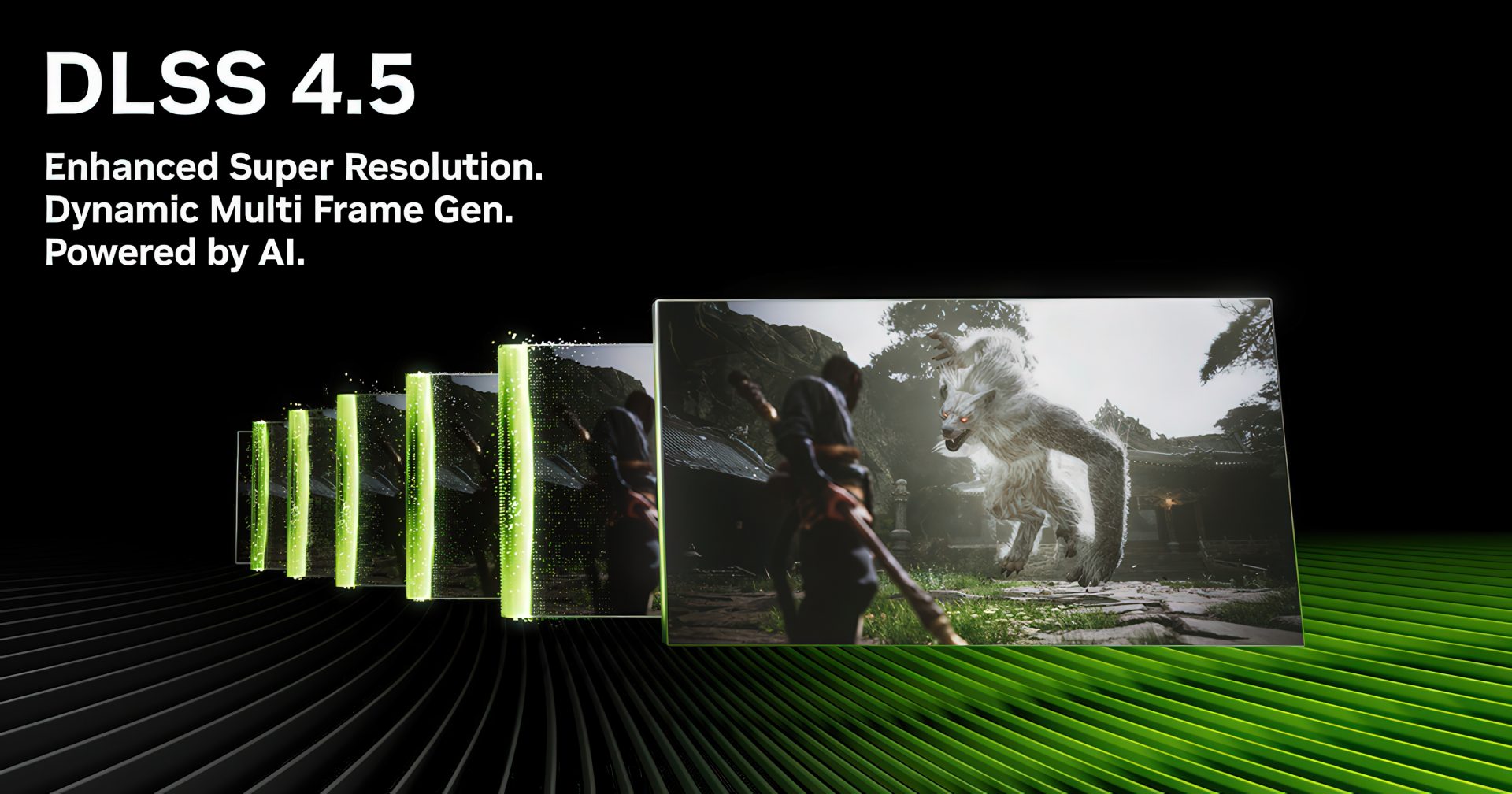
For example, in games that struggle to maintain consistent 60 FPS or higher, the feature can help bridge gaps between rendered frames, effectively smoothing out the gameplay. However, this comes with tradeoffs. The technology relies on NVIDIA's AI-driven rendering pipeline, which means it may not work as well on lower-end RTX 40 series cards or in games that don't fully support its requirements.
- Dynamic multi-frame generation is automatically enabled for supported games and hardware.
- Performance gains are most noticeable in titles optimized for NVIDIA's DLSS 3.5 framework.
- Users without RTX 40 series cards or those with older GPUs won't see this feature, as it requires specific hardware support.
The update is already live, but its impact on real-world performance remains to be seen. Early reports suggest that the feature can deliver noticeable improvements in certain games, though its effectiveness may not be uniform across all titles. NVIDIA has not provided detailed benchmarks yet, leaving users to wonder just how much of a difference this will make in their gaming experience.
Looking ahead, this feature could set a new standard for adaptive rendering, potentially influencing other GPU manufacturers to adopt similar technologies. For now, though, it's worth noting that the benefits are likely to be most pronounced for users with high-end RTX 40 series cards who play games optimized for DLSS 3.5.