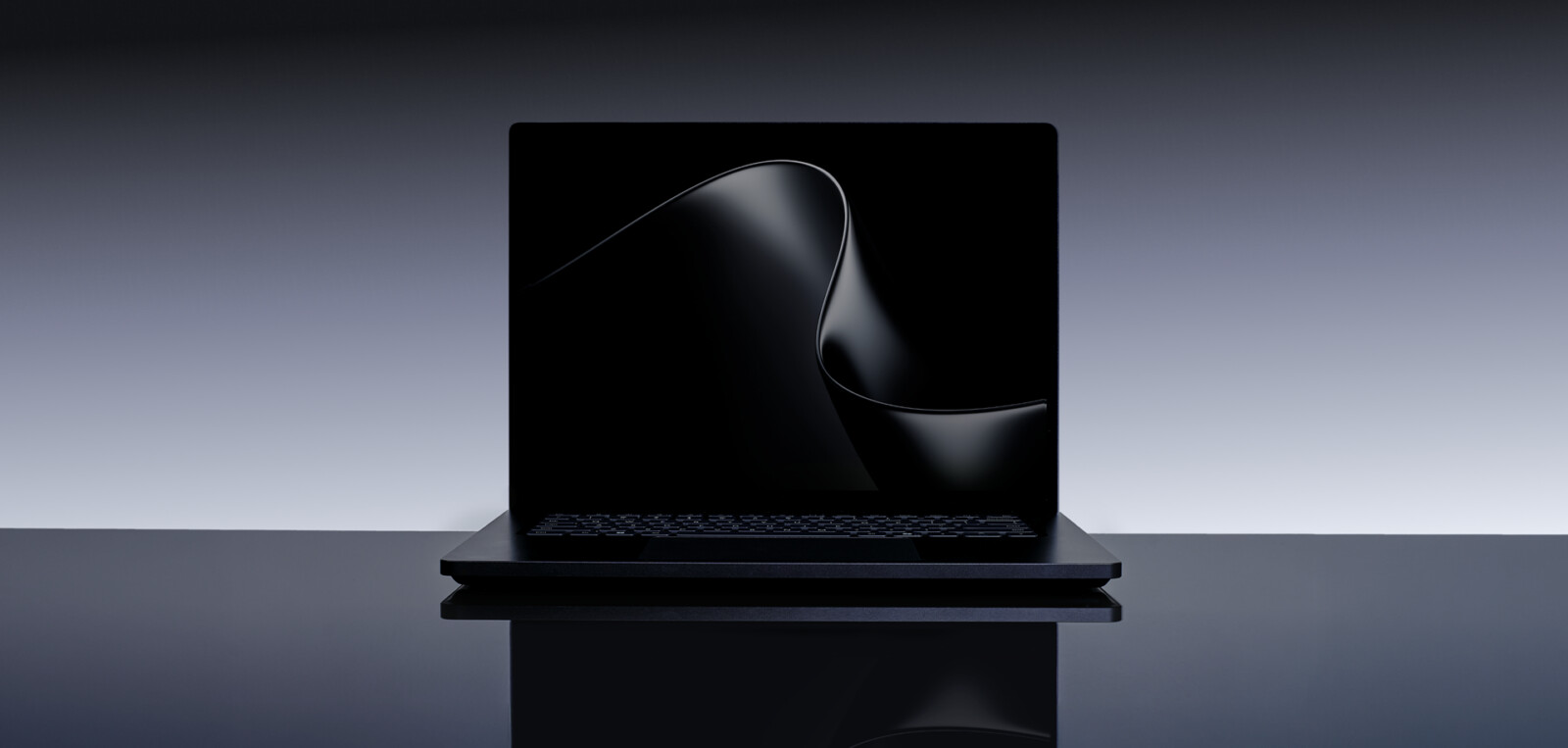
Gaming laptops have long been a paradox: powerful enough for high-end graphics but often tethered to an outlet by their insatiable thirst for power. That dynamic is about to shift with the arrival of RTX Spark laptops, which aim to run AAA titles like 007 First Light and Forza Horizon 6 on battery alone—a feat that could reshape how gamers approach mobile performance.
The key lies in a combination of hardware efficiency and software optimization. These laptops are designed to balance raw power with thermal management, allowing them to sustain demanding workloads without the usual trade-offs seen in traditional gaming rigs. For data-intensive tasks like AI training or 3D rendering, this could mean longer sessions between charges, a critical advantage for professionals on the move.
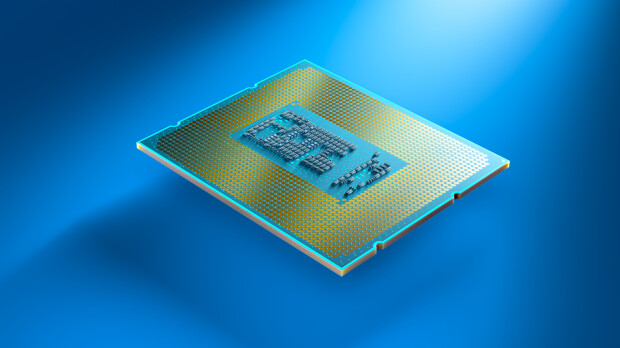
While specifics are still under wraps, leaks suggest these machines will feature NVIDIA's latest RTX Spark architecture, paired with high-refresh-rate displays and robust cooling systems. The focus is not just on performance but also on longevity, addressing one of the biggest pain points in portable computing: battery life without sacrificing power.
Efficiency as a Game-Changer
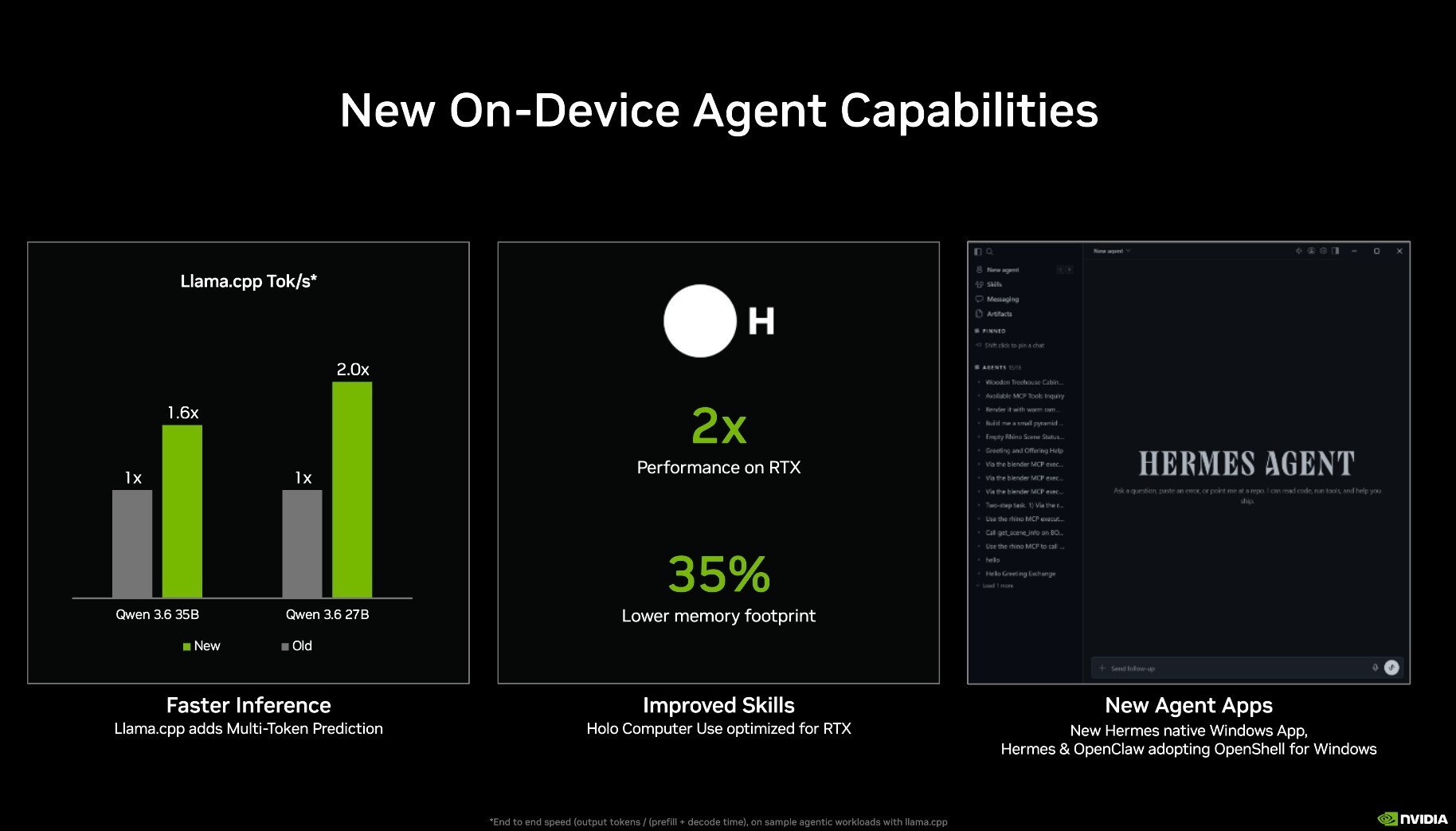
The shift toward efficiency isn't just about gaming. For AI workloads, where processing demands can be just as intense, these laptops could offer a new level of portability. The ability to run complex models without immediately draining a battery is a game-changer for researchers and developers who rely on mobile setups.
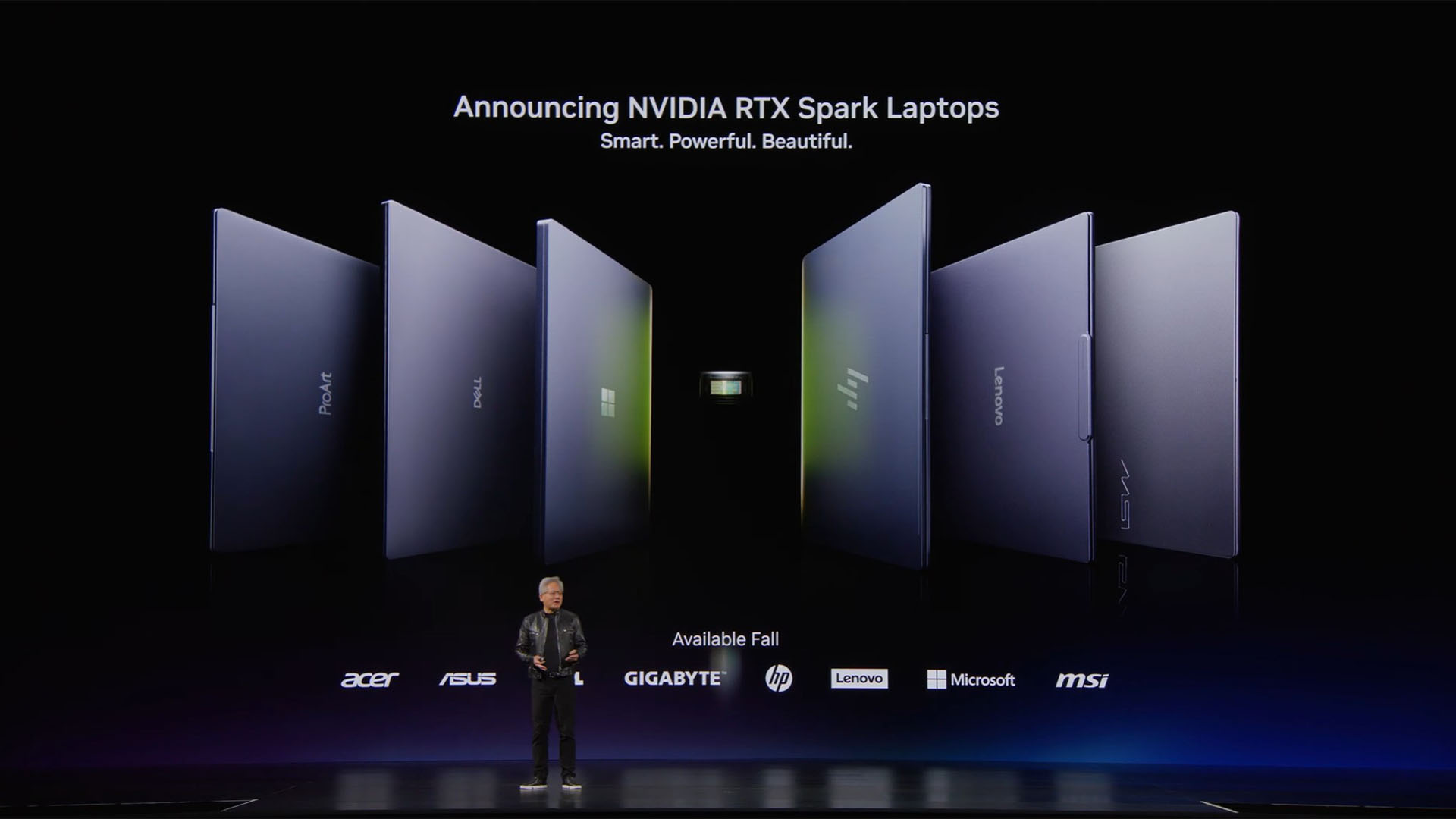
However, the challenge remains in avoiding platform lock-in. While RTX Spark promises impressive performance, its long-term viability will depend on whether it can maintain compatibility with emerging workloads without becoming a proprietary bottleneck. For now, the focus is on proving that high-end performance and battery life aren't mutually exclusive—a proposition that, if successful, could redefine what's possible in portable computing.
Key Specs
- Chip: NVIDIA RTX Spark architecture (details under NDA)
- Display: High-refresh-rate 16:9 or 21:9 panel (exact resolution not confirmed)
- Memory: Up to 32GB DDR5 (expected, based on RTX Spark leaks)
- Storage: 1TB SSD (minimum, likely PCIe Gen 4 or higher)
- Power: Targeted for 6+ hours of AAA gaming on battery (claims pending verification)
The real-world implications are clear: if these laptops deliver on their promises, they could bridge the gap between desktop-grade performance and portable convenience. For gamers, that means no more carrying a charger like it's an essential; for professionals, it means crunching data without being chained to a socket. The question is whether this efficiency can be sustained without sacrificing the flexibility that open platforms offer.
The arrival of RTX Spark laptops this fall will be a test not just of hardware but of how far we're willing to push the boundaries of portable power. If they succeed, it won't just be about running games longer—it'll be about rethinking what's possible when efficiency meets performance.