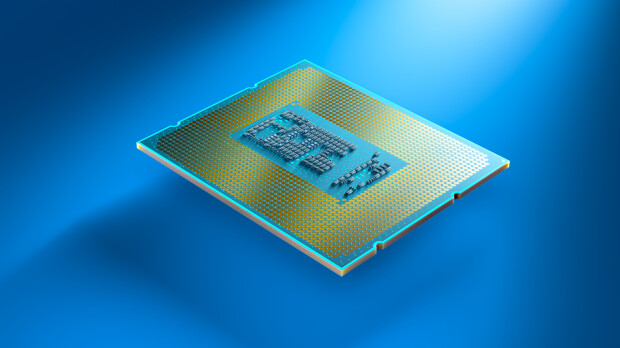
Intel has taken a bold step by integrating its Bartlett Lake processor into the Xeon 6300 series, significantly broadening its market reach. Previously limited to niche applications like IoT and embedded systems, Bartlett Lake now joins the mainstream server ecosystem with full Xeon 6300 compatibility.
- Bartlett Lake is now part of the Xeon 6300 series, replacing dedicated IoT/embedded roles.
- Features all 12 Raptor Cove P-cores and 36 MB of cache for performance-optimized workloads.
- Drop-in compatibility with existing LGA1700 server platforms requires only a firmware update.
- Supports ECC memory, aligning with enterprise-grade data center requirements.
The transition from embedded to server-grade hardware introduces both opportunities and complexities for buyers. While Bartlett Lake’s architecture was designed for efficiency in constrained environments, its integration into the Xeon 6300 series means it must now compete with higher-end variants in terms of scalability and long-term support.
One immediate advantage is the seamless upgrade path for users already invested in LGA1700 platforms. The lack of new hardware complexity reduces deployment risks, but the absence of detailed model numbers leaves room for speculation about Intel’s long-term roadmap. Buyers may need to balance immediate cost savings against potential limitations in future-proofing.
Looking ahead, this shift could redefine how organizations approach CPU upgrades, particularly in data-centric workloads where performance and reliability are paramount. However, the full implications will only become clear once Intel provides clearer guidance on model-specific features, benchmarks, and support timelines.
The Bartlett Lake integration represents a strategic pivot for Intel, blending efficiency with server-grade capabilities. Whether it becomes a staple in data centers or remains a niche player depends on how well it meets the evolving demands of enterprise computing—without introducing unnecessary platform lock-in risks.