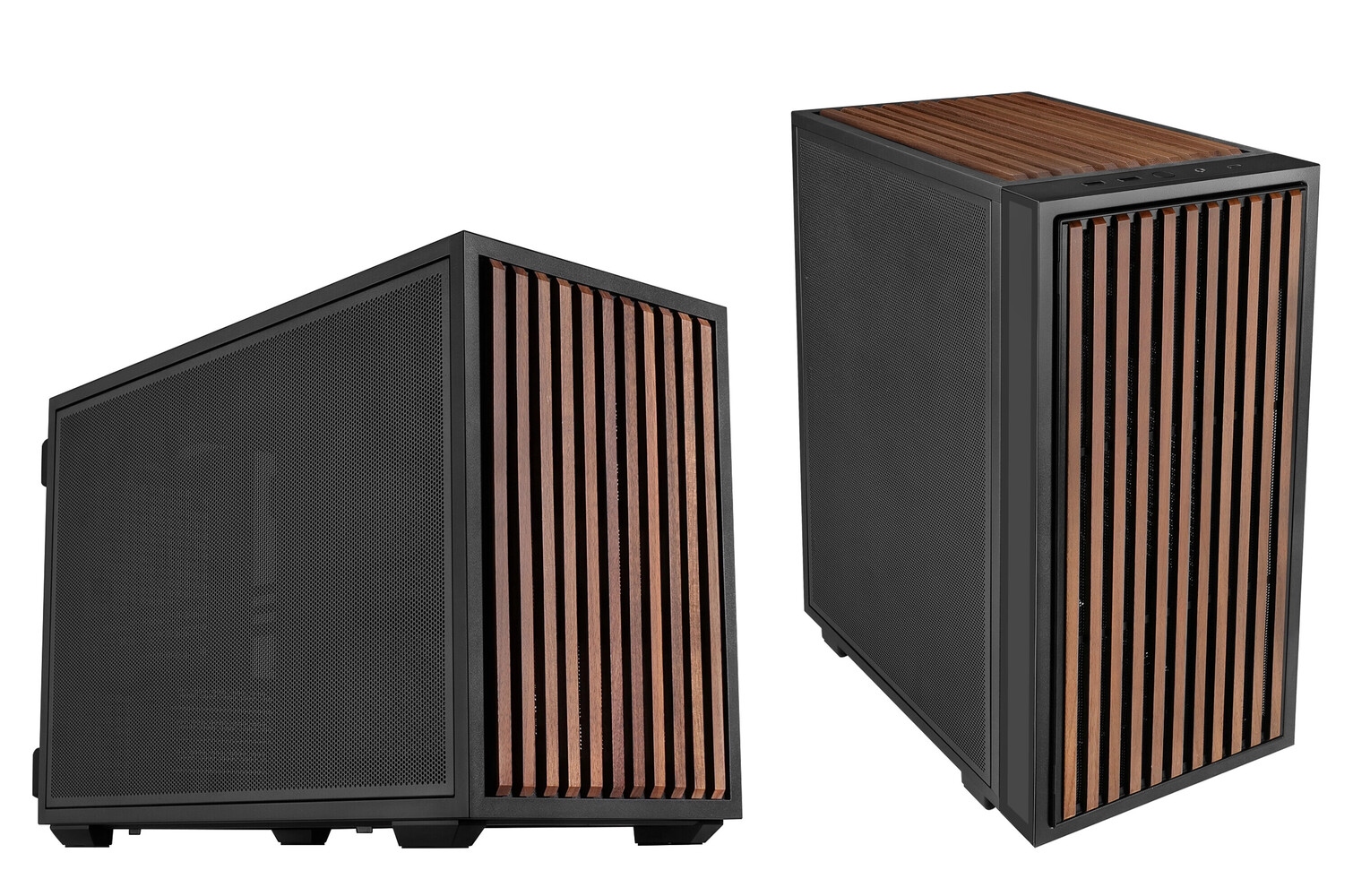
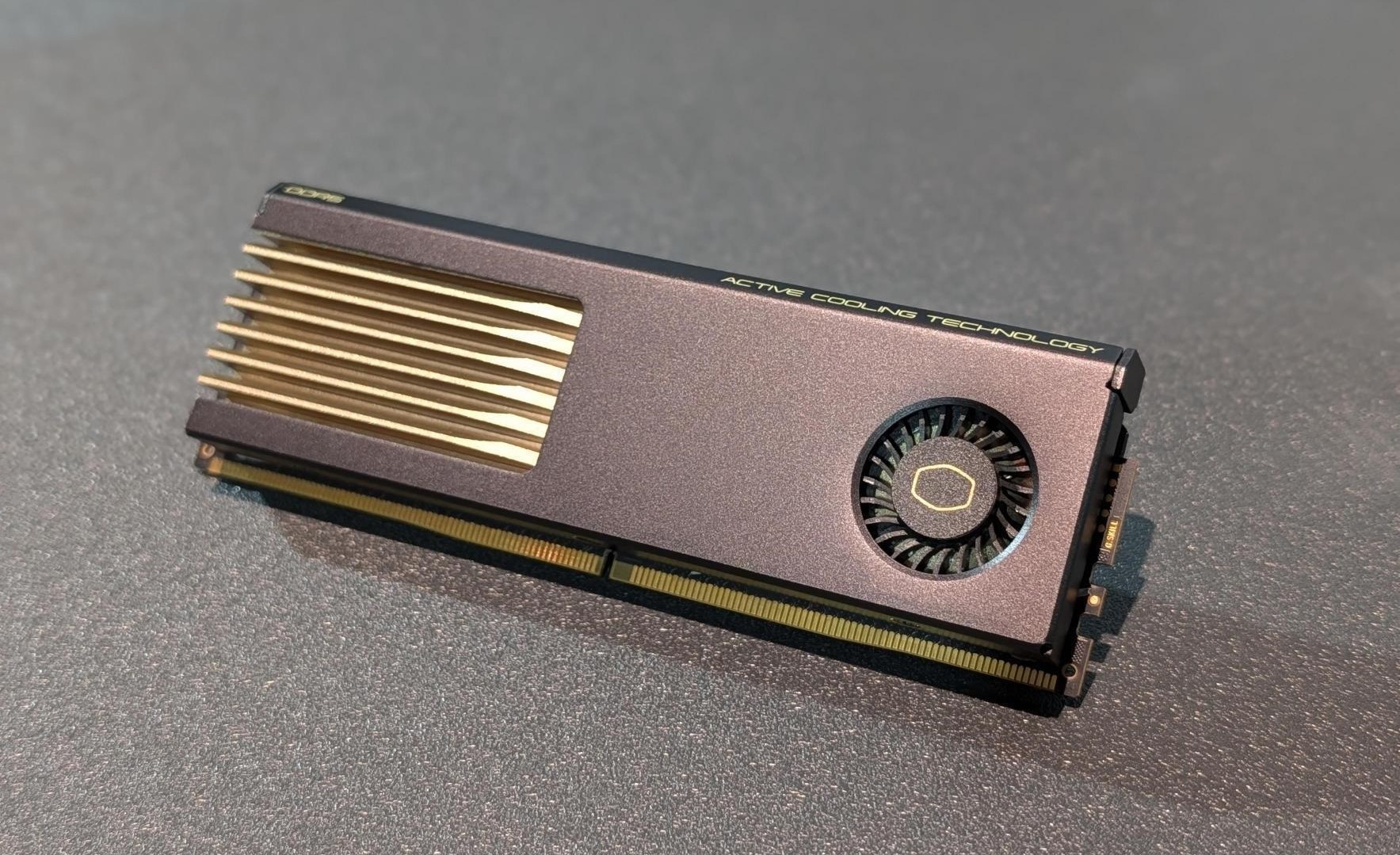
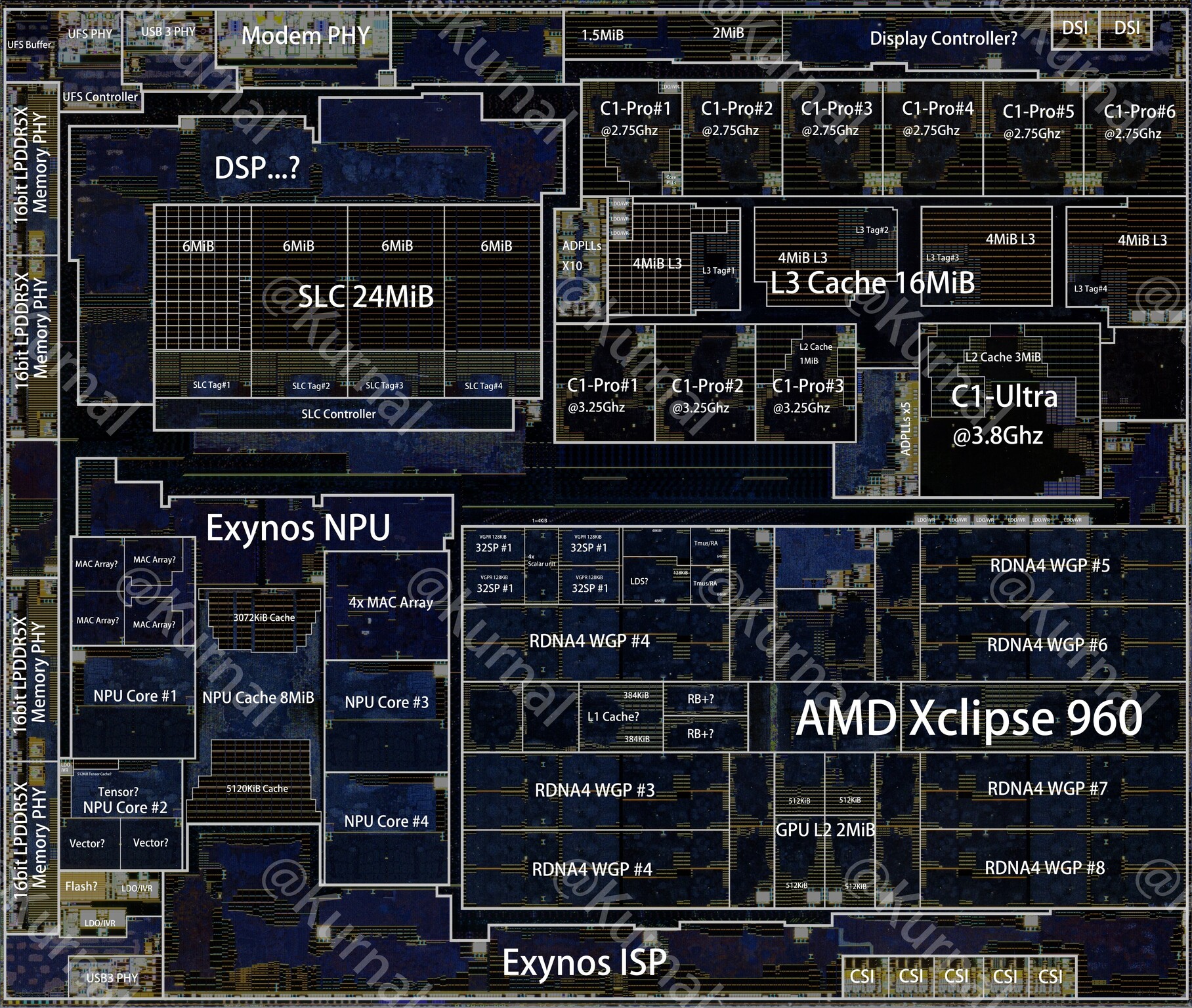
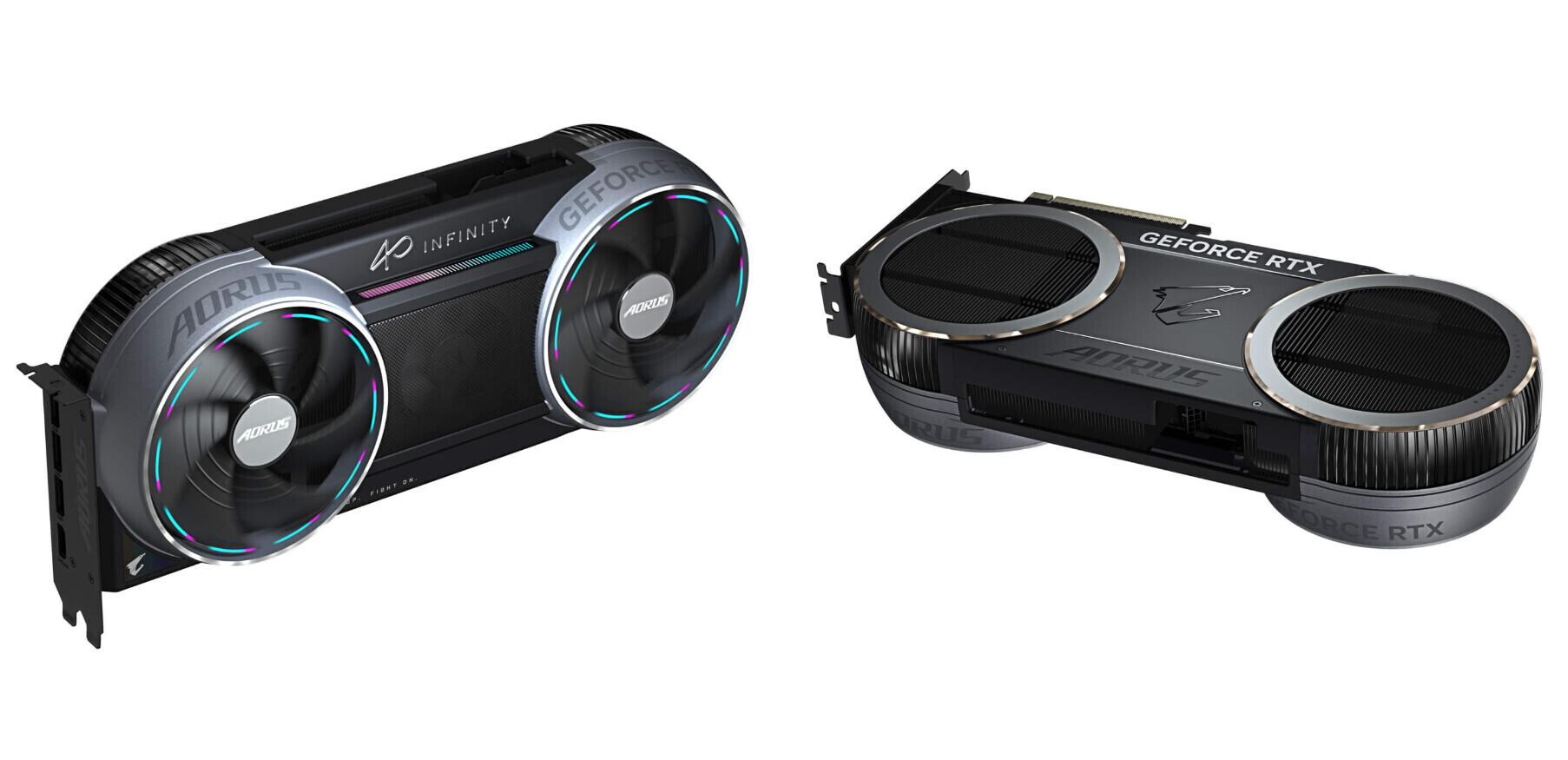
A new graphics card variant has quietly appeared in regulatory listings, hinting at Gigabyte’s next move in the high-end GPU market. The listing describes an NVIDIA RTX 5080 paired with a wood-style cooler, part of the Aorus Infinity series—a design language that previously graced the more powerful RTX 5090.
This isn’t just a rebranded card; it represents a calculated engineering decision. The RTX 5080, while less capable than its 5090 sibling, is positioned to deliver strong performance in AI workloads and high-resolution gaming, all while consuming less power. Its 16 GB of GDDR7 memory, paired with NVIDIA’s latest optimizations—including neural texture compression that can reduce VRAM usage from 6.5 GB to just 970 MB in some scenarios—makes it a compelling option for content creators and enthusiasts who don’t need the absolute top tier.
Key Specifications
- GPU Model: RTX 5080 (Aorus Infinity Wood variant)
- Memory: 16 GB GDDR7, 970 MB effective for neural texture compression
- Boost Clock: Up to 2730 MHz (suggestively higher than stock RTX 5080)
- Cooler Design: Wood-style aesthetic with printed or thin veneer texture, avoiding actual wood trim
The cooler itself is a point of intrigue. While the name ‘Infinity Wood’ might evoke images of premium materials, insiders suggest it’s more about texture than substance—a printed or veneered surface designed to mimic wood without the weight or cost. This aligns with industry trends where aesthetic appeal is prioritized over raw material use, balancing brand identity with practicality.
Market Implications
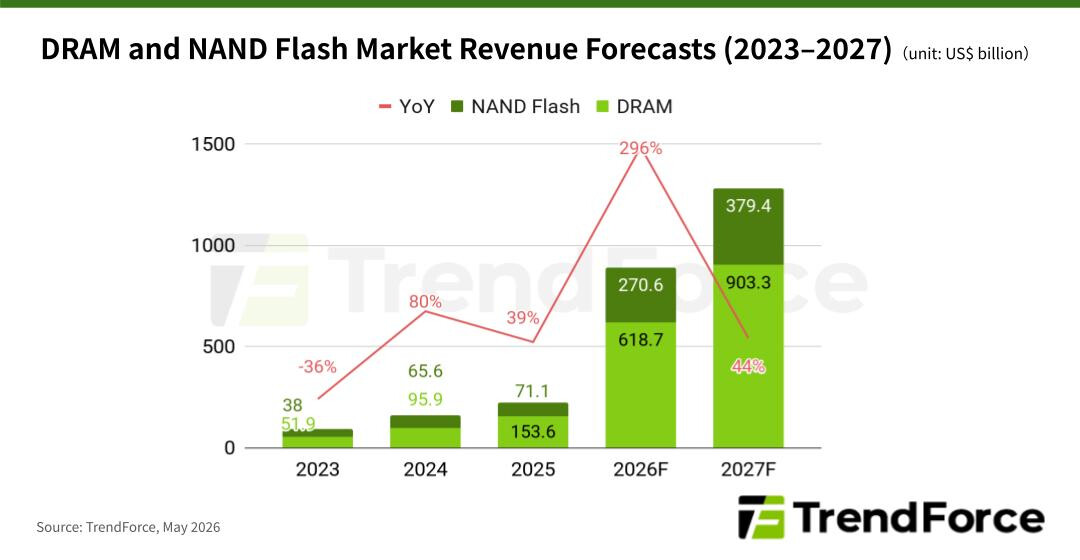
The RTX 5080’s emergence comes at a pivotal moment. With GDDR7 costs rising and demand for AI-accelerated workloads surging, NVIDIA has been tightening production of its highest-end cards like the RTX 5090 to manage supply. The RTX 5080, then, serves as a bridge—offering near-flagship performance without the premium pricing or power draw of the 5090.
For power users, this means a card that can handle 4K gaming at high refresh rates, real-time ray tracing, and AI-driven rendering tasks like video editing or neural upscaling. The 16 GB VRAM is a deliberate choice, avoiding the memory constraints of lower-tier cards while staying below the 24 GB threshold where diminishing returns kick in for most consumer applications.
What’s Next?
No official launch date has been confirmed, but given its regulatory status and Gigabyte’s history of unveiling new hardware at Computex, an announcement could be imminent. If the RTX 5090 faces further price hikes due to GDDR7 scarcity, the RTX 5080 may carve out a niche as the ‘best value’ option for those who can’t justify the cost or power consumption of the top-tier model.
For now, the card remains in regulatory limbo, but its existence signals NVIDIA’s continued push to segment the market—offering tiered performance without sacrificing key features like DLSS 5 or AI-optimized pipelines. The question isn’t whether this card will sell; it’s how quickly buyers will realize they don’t need a 5090 to get close to its performance.