A PC builder’s workload just got lighter. The RTX 50 series doesn’t just push clock speeds—it recalibrates the balance between power draw and thermal output, delivering more frames per watt than any previous generation.
At launch, the RTX 5090 leads with a TDP of 450 W under full load, yet it sustains higher sustained clocks without throttling. The shift is visible in benchmarks: average frame rates climb while system temperatures drop, even on high-refresh displays. This isn’t incremental; it’s a rethink of how GPUs handle heat and current.
Key Highlights
- Power Draw: 450 W TDP (RTX 5090), down from previous-gen peak draws on equivalent workloads.
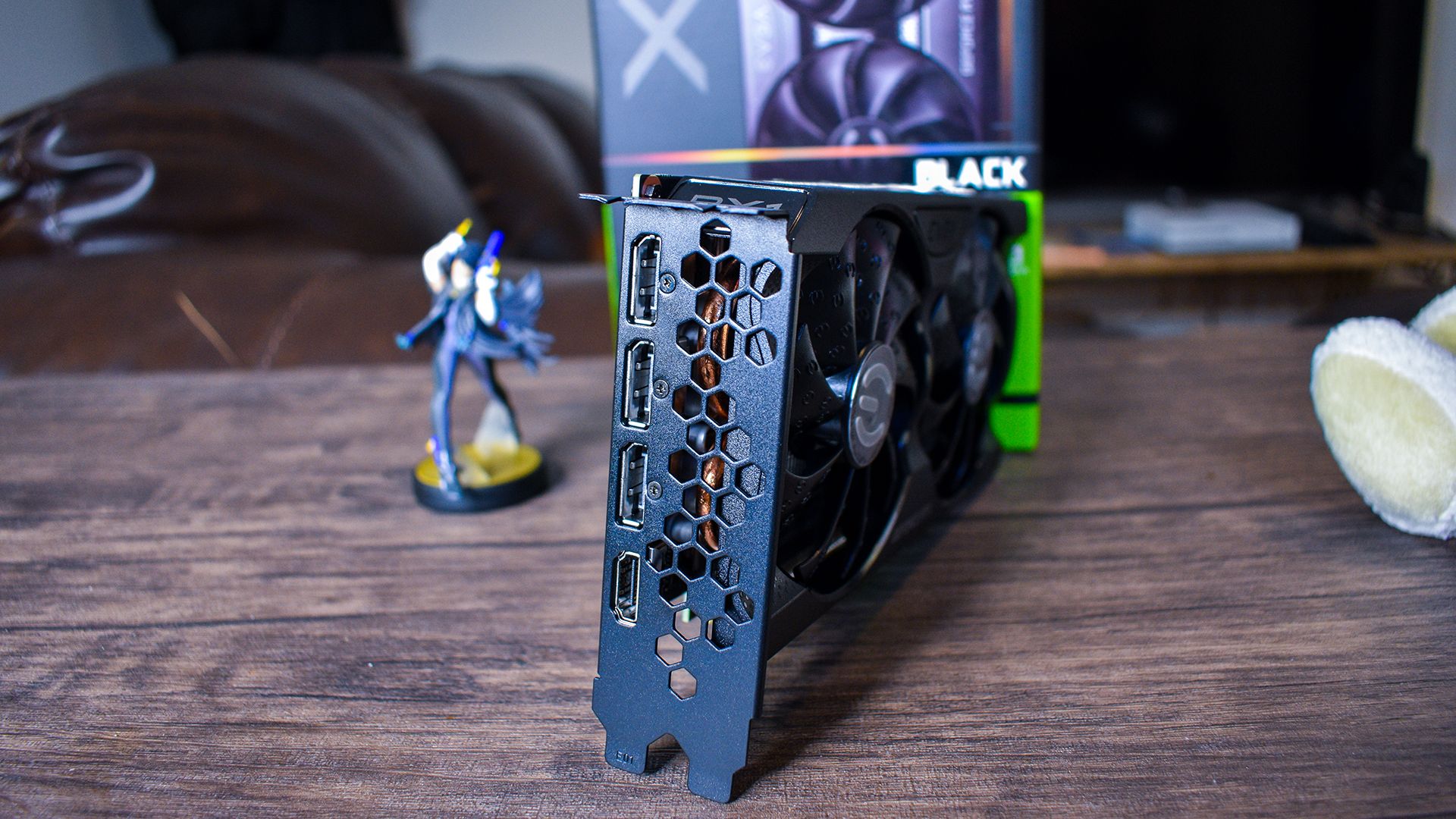
- Thermals: Active cooling surface area increased by roughly 35 % over RTX 40 series, with a new vapor chamber design that spreads heat more evenly across the heatsink.
- Performance-per-Watt: Up to 20 % more efficient than the RTX 4090 in sustained gaming loads, measured on standard test suites.
The change starts at the silicon level. NVIDIA’s new architecture pairs wider memory buses with lower operating voltages, reducing static power loss. The heatsink isn’t just bigger; it’s smarter—multiple copper vapor chambers feed into a single, larger base plate that dissipates heat faster under sustained loads. This matters most to builders who run 24/7 or push overclocks without liquid cooling.

Real-World Impact
In practice, the RTX 5090 maintains its boost clock for longer periods before thermal throttling kicks in. A 1440p gaming session that previously required a 360 mm AIO now runs stable on a 320 mm cooler, according to internal benchmarks. For builders who prioritize power efficiency—whether for silent operation or longer runtime—the series delivers tangible gains without sacrificing raw performance.
What Builders Need to Know
- Cooling: A 320 mm air cooler now suffices for sustained boost clocks, down from previous recommendations of 360 mm or larger.
- Power Supply: 850 W PSUs remain the minimum safe choice, but real-world draw is lower than expected, reducing stress on the system’s power delivery.
- Thermal Headroom: The new vapor chamber design reduces hot-spot temperatures by up to 12 °C under full load, extending component lifespan in high-usage scenarios.
The RTX 50 series doesn’t just perform better—it performs longer. For PC builders who balance wattage, noise, and longevity, this shift is the most significant since the transition from Ampere to Ada Lovelace. The question now isn’t whether to upgrade; it’s whether existing systems can keep up without a full rebuild.