Performance-per-watt has become a critical metric in gaming hardware, but NVIDIA's new DLSS 5 technology takes this concept to the next level by integrating motion vectors into its AI upscaling pipeline. Unlike previous versions that relied solely on spatial data, DLSS 5 now processes both the 2D frame and motion information, promising a more efficient rendering experience without sacrificing visual quality.
This shift is not just about raw performance; it's about how that performance translates into real-world benefits for gamers. For those running high-refresh-rate displays or pushing their hardware to its limits, DLSS 5 could mean longer battery life in laptops, lower thermal throttling, and the ability to sustain higher frame rates without compromising on image quality.
How It Works: Motion Vectors Meet AI
At the heart of DLSS 5 is a more sophisticated approach to temporal processing. Traditional upscaling techniques, including earlier DLSS generations, primarily focused on spatial information—how pixels are arranged in a single frame. By adding motion vectors, which describe how objects move between frames, NVIDIA's AI can better predict and reconstruct higher-resolution details dynamically.
This isn't just an incremental improvement; it represents a fundamental change in how AI-driven graphics processing works. For developers, this means they no longer need to rely as heavily on native resolution rendering or post-processing techniques like temporal anti-aliasing (TAA). Games can now achieve smoother visuals at lower resolutions while maintaining the sharpness and clarity associated with higher-resolution outputs.
Who Benefits?
The impact of DLSS 5 will be felt most acutely by users who prioritize efficiency over raw power. Enthusiasts running high-end setups may see marginal gains, but the real advantage lies in mid-range and mobile configurations where thermal management is a concern.
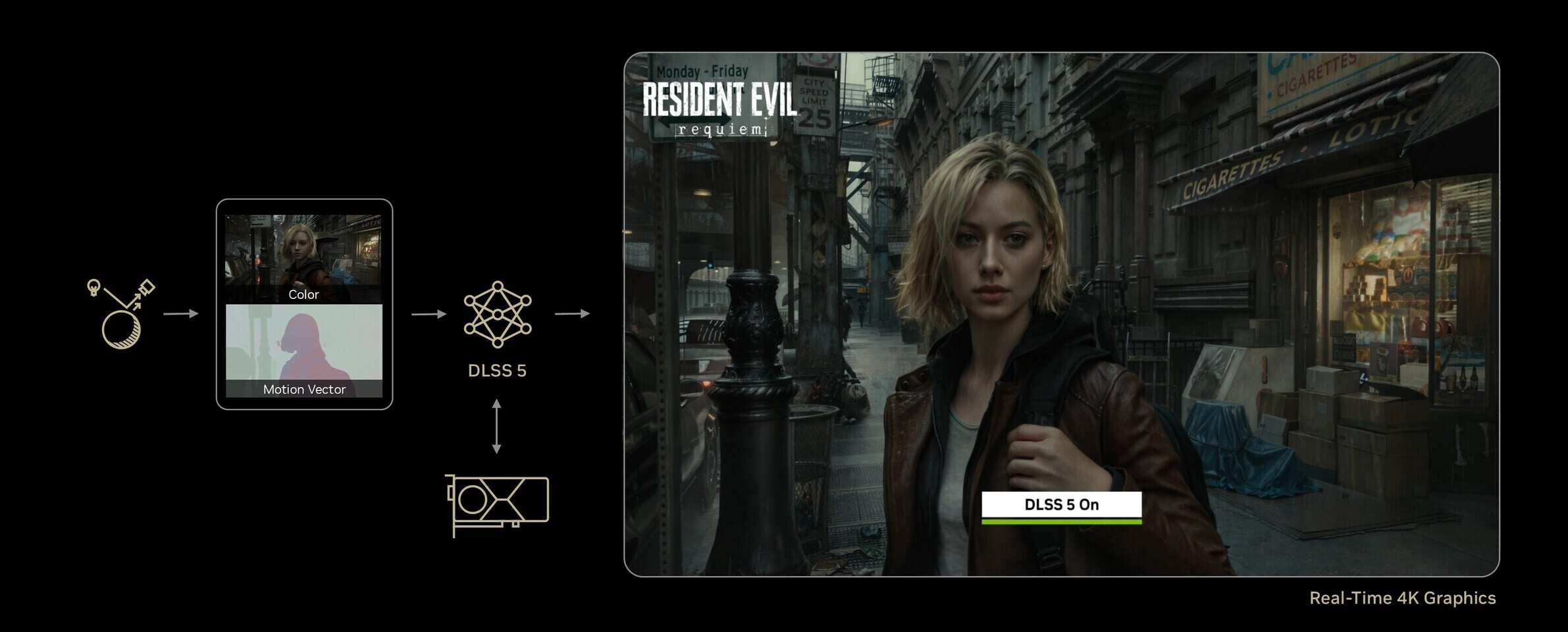
- For laptops: Extended battery life due to reduced GPU load when DLSS 5 is enabled.
- For desktops: Lower power consumption at high refresh rates, reducing cooling requirements.
- For developers: Simplified optimization pipelines, as motion vector data can be generated more efficiently than traditional temporal effects.
However, the technology isn't without its limitations. DLSS 5 requires hardware that supports NVIDIA's RTX architecture (Ada Lovelace or later), meaning older GPUs won't see any benefit. Additionally, not all games will support motion vector integration immediately, so adoption will be gradual.
The Thermal and Power Implications
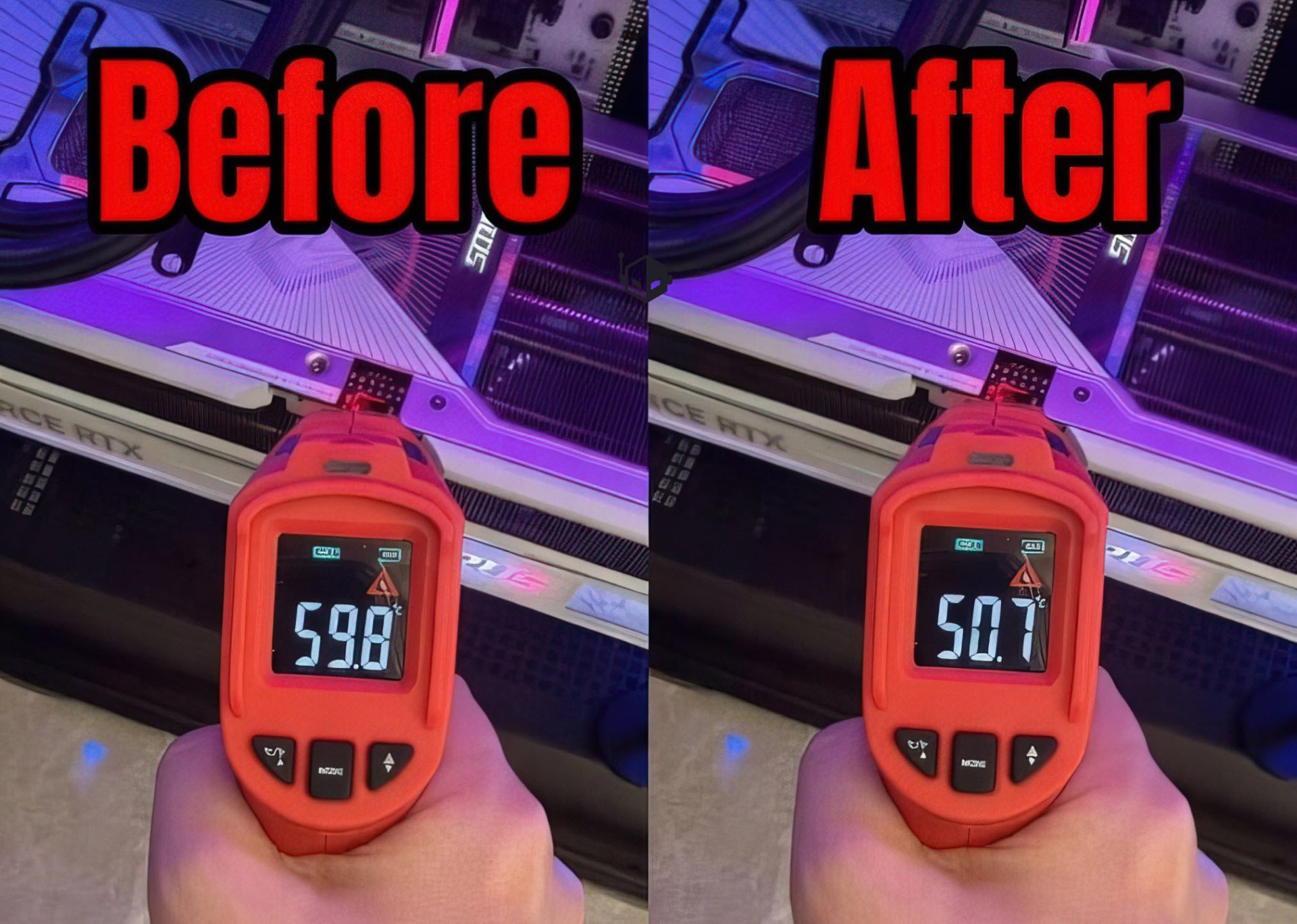
One of the most compelling aspects of DLSS 5 is its potential to reduce thermal output in demanding scenarios. Traditional upscaling methods often require additional computational overhead, leading to higher GPU utilization and heat generation. By leveraging motion vectors more effectively, DLSS 5 can deliver smoother performance with less strain on the hardware.
This could be a game-changer for systems where cooling is a bottleneck—whether it's a compact desktop build or a thin-and-light gaming laptop. The ability to sustain higher frame rates without pushing components into thermal throttling territory means users can push their hardware further, longer.
A Look Ahead
While DLSS 5 marks a significant step forward in AI-driven graphics processing, its long-term success will depend on how quickly developers adopt motion vector integration. Early signs suggest that games like Cyberpunk 2077, Alan Wake 2, and Starfield are already exploring this technology, but widespread support may take time.
The real question for consumers is whether the efficiency gains will translate into noticeable improvements in everyday gaming. For those with high-refresh-rate monitors or limited cooling solutions, DLSS 5 could be a compelling reason to upgrade to an RTX 40-series card. But for casual gamers on lower-end systems, the difference may not be as pronounced.
Regardless, this advancement underscores NVIDIA's commitment to pushing the boundaries of what AI can achieve in real-time graphics processing. The shift from spatial-only to motion-aware upscaling is a milestone that could redefine how games are developed and experienced in the years to come.