NVIDIA has rolled out DLSS 4.5, the newest chapter in its AI-powered super-resolution suite, with a focus on multi-frame generation to boost frame rates in compatible games without sacrificing visual fidelity. This upgrade is arriving at launch for select titles, including the highly anticipated Star Wars Galactic Racer, setting a new benchmark for real-time rendering performance.
The core innovation in DLSS 4.5 lies in its ability to generate and render multiple frames simultaneously, leveraging NVIDIA's RTX 40-series architecture. This approach aims to deliver smoother gameplay and higher frame rates, particularly in scenarios where latency is critical—such as competitive multiplayer or fast-paced action games. However, the technology remains tied to specific hardware requirements, limiting its immediate impact on older GPU generations.
Key Specifications
- Multi-frame generation: Enables simultaneous rendering of multiple frames to improve frame rates and reduce latency.
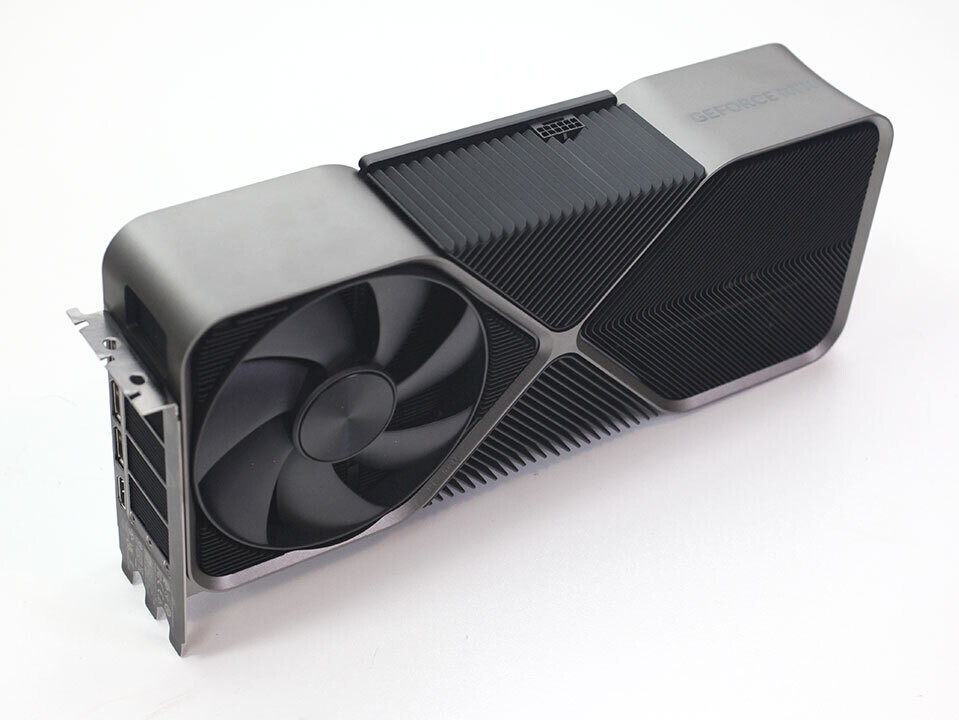
- RTX 40-series compatibility: Designed for NVIDIA's RTX 40-series GPUs, including the RTX 4090, RTX 4080, and RTX 4070 Ti, ensuring optimal performance on high-end hardware.
- Image quality retention: Maintains visual fidelity through advanced AI upscaling, balancing performance gains with minimal loss in detail.
The introduction of multi-frame generation is a notable shift from traditional single-frame rendering techniques. In practice, this means developers can push higher frame rates without the usual trade-offs seen in lower-resolution or lower-quality modes. For example, a game running at 1440p with DLSS 4.5 could achieve near-4K visuals while maintaining a stable 120 FPS, a feat that would otherwise require significantly more powerful hardware.
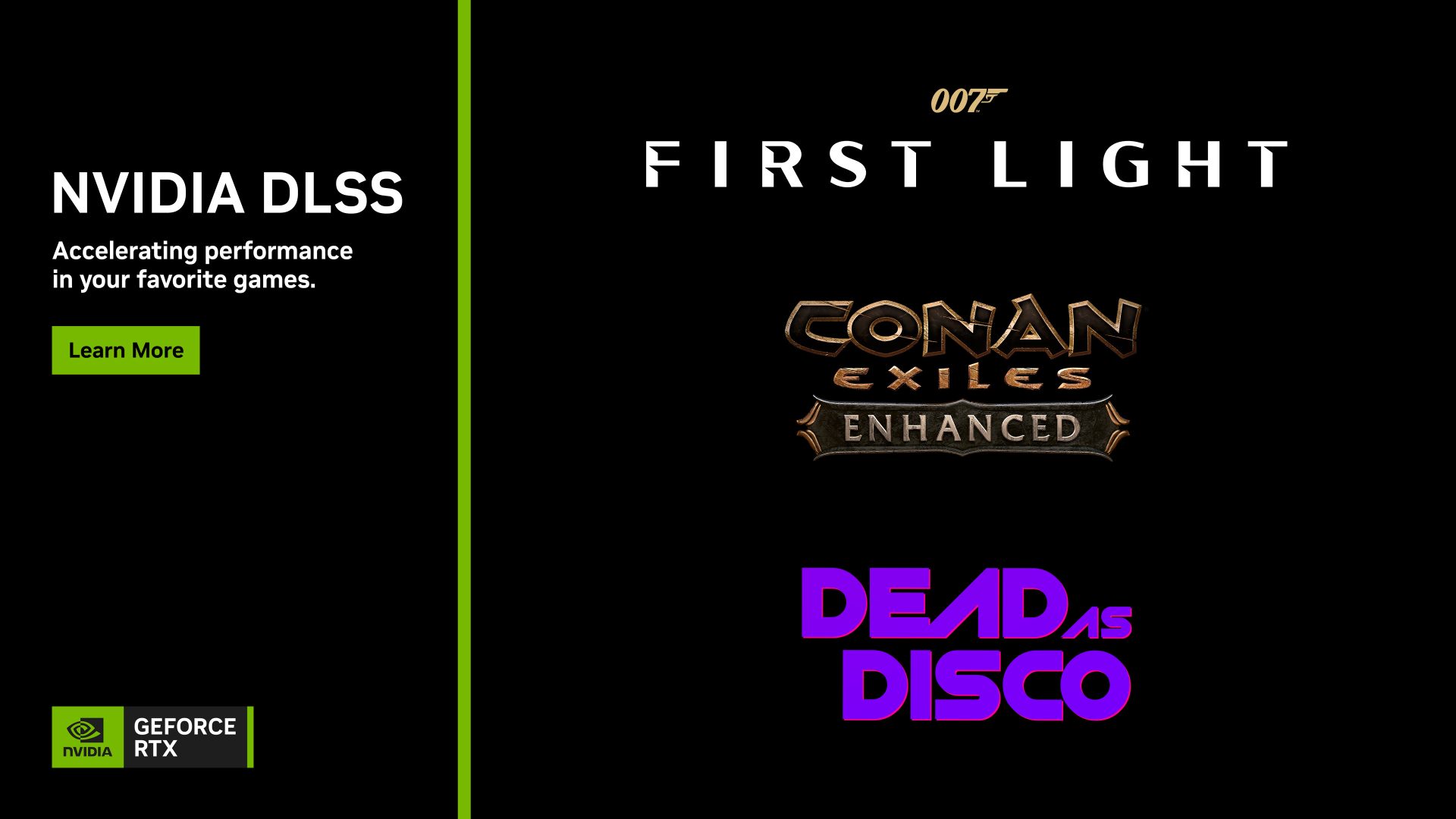
While the benefits are clear for enthusiasts and competitive gamers, there are caveats. Multi-frame generation adds computational overhead, which may not translate to tangible improvements on mid-range or older GPUs. Additionally, support is limited to select titles at launch, with broader adoption expected as developers integrate DLSS 4.5 into their pipelines. For now, users should focus on games that explicitly list DLSS 4.5 compatibility to avoid disappointment.
Looking ahead, NVIDIA's push toward multi-frame generation could redefine the landscape for high-refresh-rate gaming. If adopted widely, this technology could make 120Hz and 144Hz monitors more accessible without requiring top-tier GPUs. However, its success hinges on developer buy-in and hardware advancements that can sustain the performance demands of multi-frame rendering.