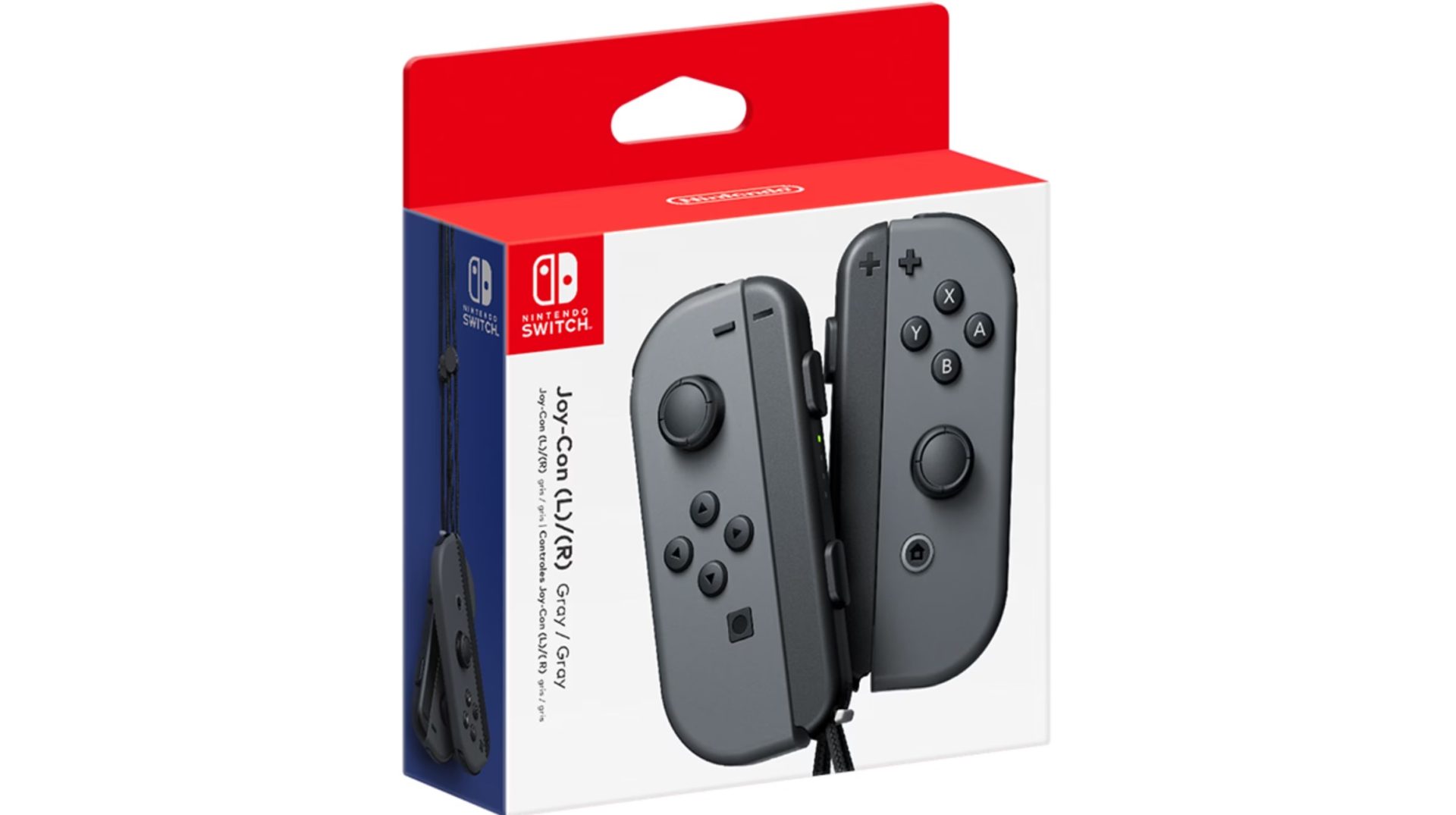
Nintendo’s recent penalty for Joy-Con drift issues is more than just a financial burden—it represents a fundamental challenge to how console manufacturers approach hardware reliability. The 35 million euro fine imposed by French authorities targets controllers sold between 2017 and 2021, focusing on persistent problems that disrupted competitive play. While Nintendo has long relied on software patches and recalibration tools to mitigate the issue, this penalty introduces a new layer of accountability that could reshape industry standards.
The fine stems from widespread consumer complaints about Joy-Con drift, where controllers fail to register precise inputs during gameplay. Unlike minor glitches that can be overlooked in casual gaming, competitive players—particularly those engaging in esports or high-precision titles—face significant disruptions. Nintendo’s response has included firmware updates designed to compensate for mechanical inconsistencies, as well as hardware revisions aimed at improving durability. Yet the penalty suggests that these measures alone may no longer suffice when regulatory bodies demand systemic change.
Broader Implications for Console Ecosystems
The Joy-Con issue is not an isolated incident but part of a larger trend where hardware reliability becomes a critical factor in consumer trust and market competitiveness. For Nintendo, the penalty serves as a catalyst to invest more aggressively in quality control, potentially leading to stricter manufacturing protocols and greater transparency about product limitations. Competitors like Sony and Microsoft are likely monitoring this development closely, as regulatory scrutiny on console ecosystems grows more stringent.
One of the most significant questions is whether this penalty will push manufacturers to prioritize reliability over innovation in their next-generation products. Historically, Nintendo has balanced hardware flaws with creative software solutions, but the fine implies that such workarounds may no longer be acceptable under increasing regulatory pressure. If other companies face similar penalties for product defects, the industry could see a shift toward more rigorous testing standards and consumer-focused accountability.
A Potential Shift in Market Dynamics
For gamers, the penalty raises practical concerns about platform loyalty. Players who rely on Joy-Con for competitive play may now seek alternatives with more stable controllers, potentially altering market dynamics. While Nintendo has historically emphasized software innovation to mitigate hardware shortcomings, the fine suggests that hardware consistency is becoming a non-negotiable expectation in long-term ecosystem success.
Industry analysts anticipate that this penalty will prompt manufacturers to adopt stricter quality assurance protocols, but its effectiveness remains uncertain. Without clear guidelines on enforcement or additional fines for persistent issues, the real impact could be limited. Nevertheless, the fine serves as a warning: as gaming evolves, reliability may soon rival innovation as a defining factor in market leadership.
The Joy-Con penalty is more than a financial setback—it signals a potential turning point where regulatory expectations force console manufacturers to rethink their approach to hardware design and production. The question now is whether this shift will lead to lasting improvements or simply add another layer of complexity to an already competitive industry.