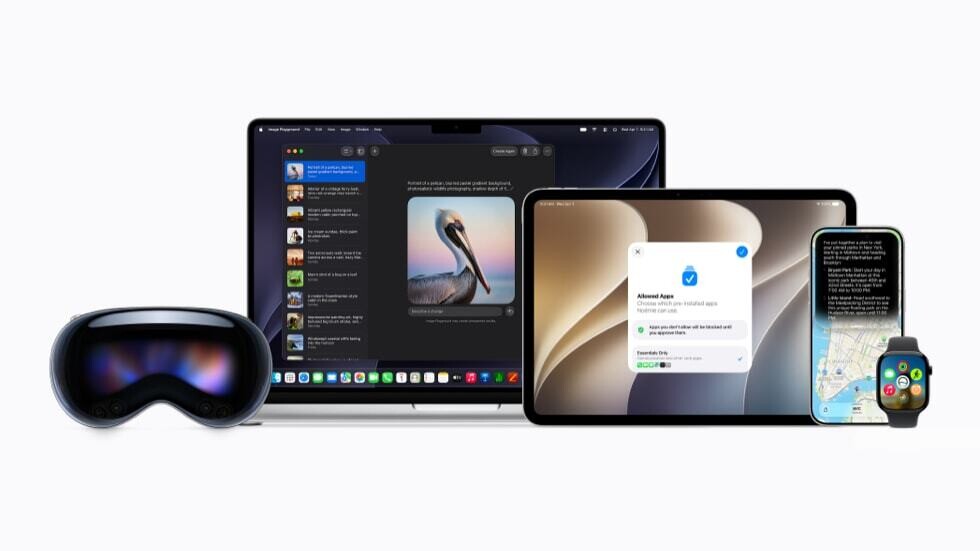
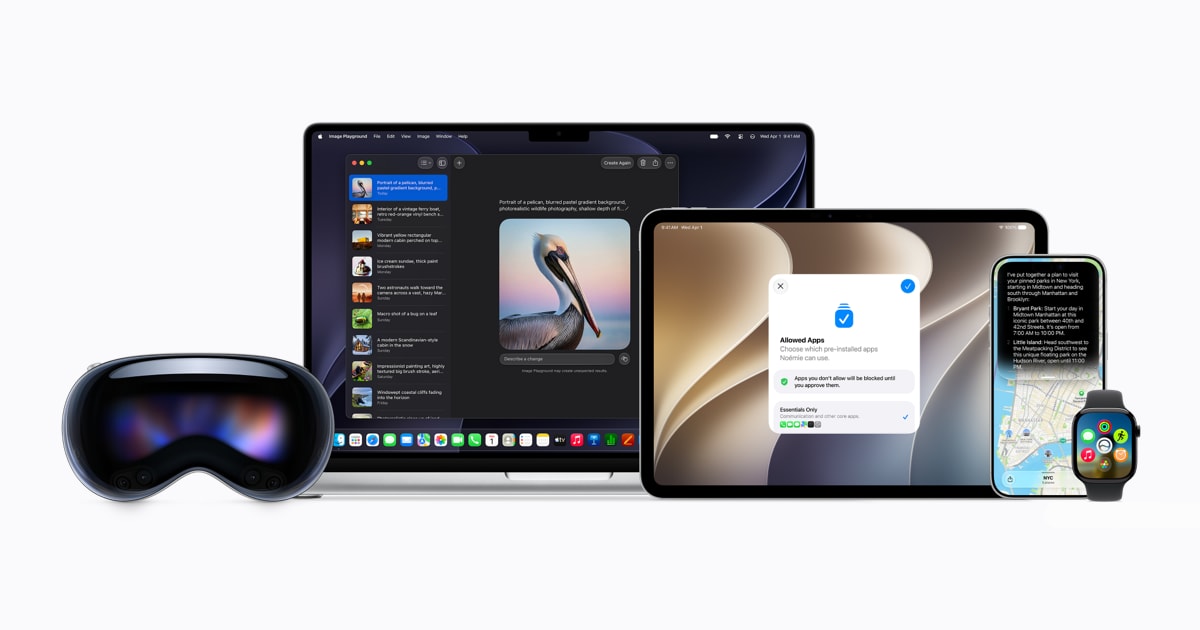
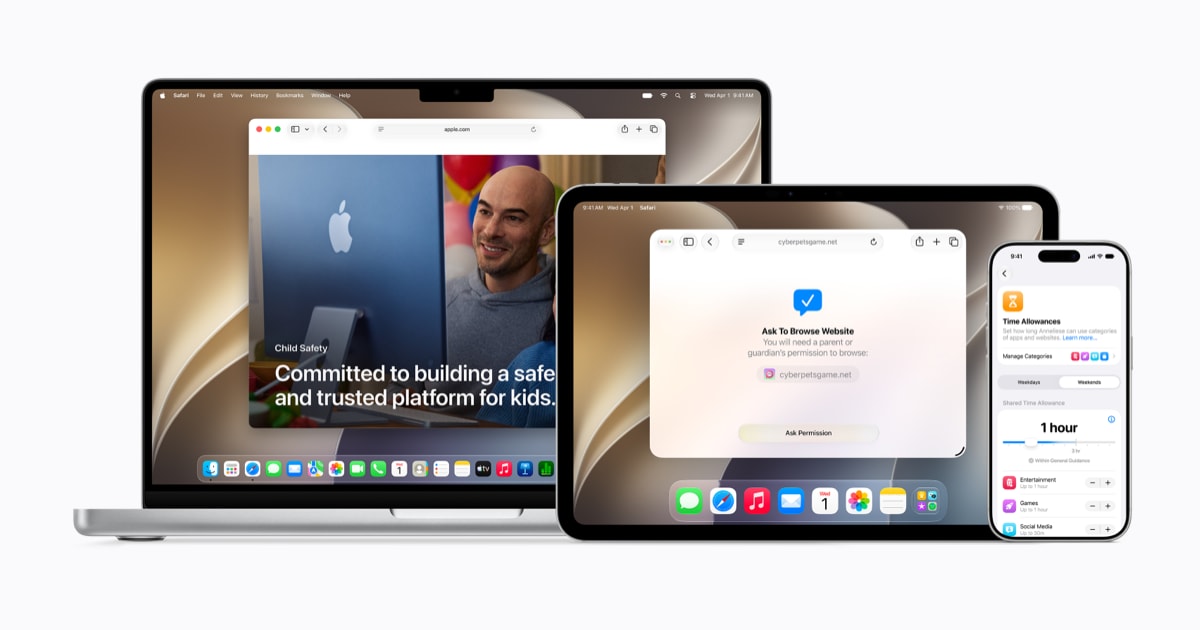
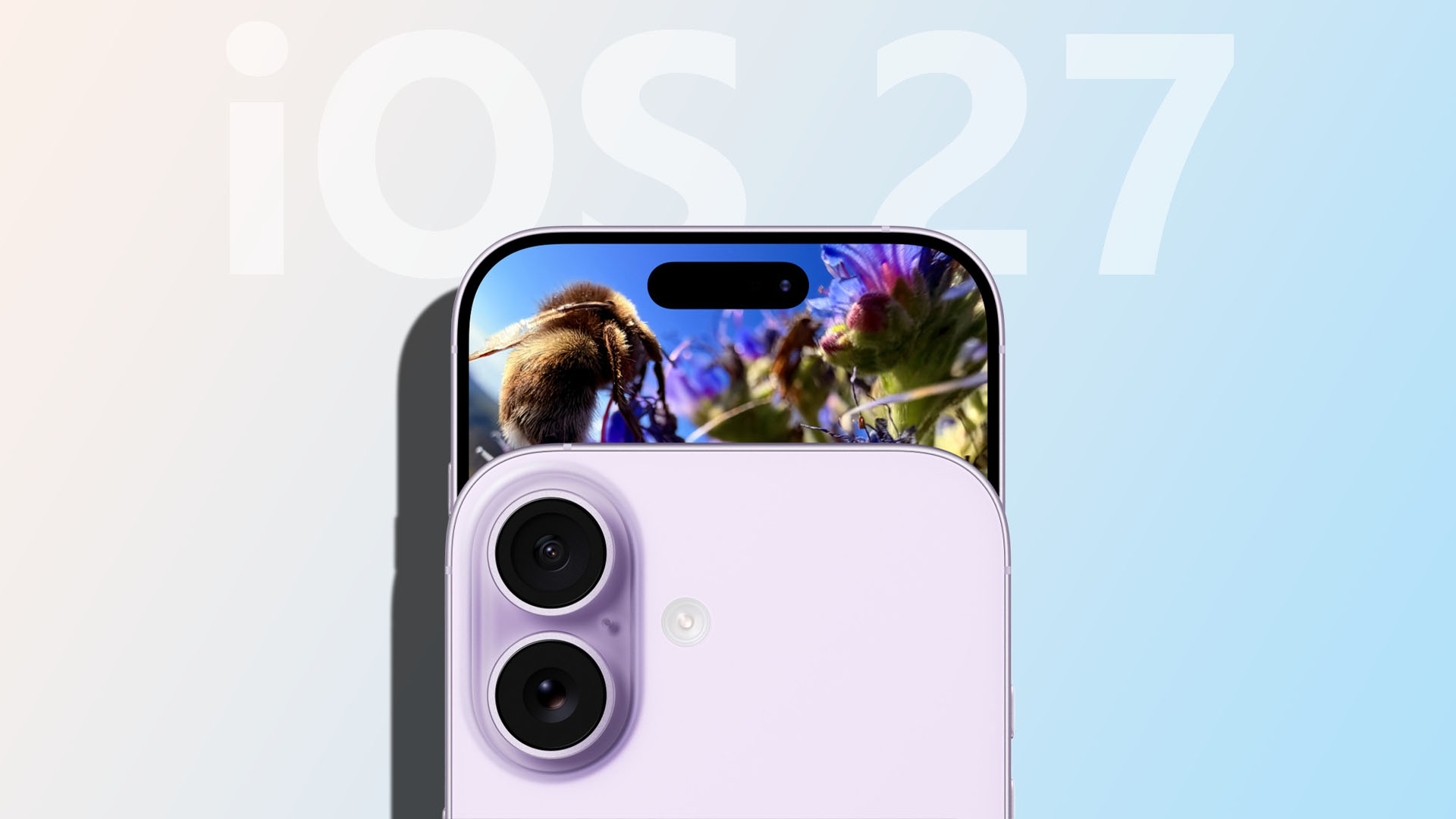
Apple has introduced a significantly updated version of Siri, now branded as Siri AI, marking a substantial leap in the assistant's capabilities. This new iteration is built on the foundation of Apple Intelligence, offering users a more conversational and context-aware experience that integrates seamlessly across multiple devices.
The update brings with it a range of features designed to make Siri more proactive and personal. Users can now expect detailed responses to questions, whether they pertain to content on their screen or information gathered from the web. The assistant also draws on personal data such as messages, emails, and photos to provide relevant suggestions, such as finding restaurant recommendations from a friend's message or locating hotel confirmation numbers in old emails.
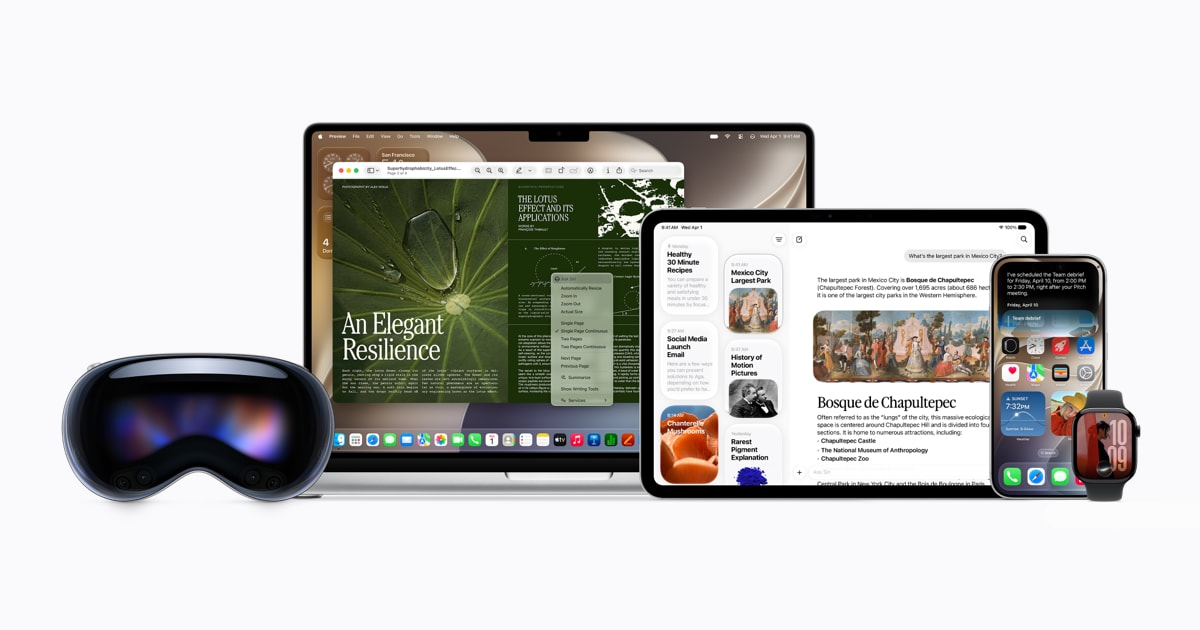
One of the standout features is the dedicated Siri app, which consolidates conversation history across Apple devices. This allows users to revisit past interactions or start new ones without disruption, whether they're on an iPhone, iPad, Mac, Apple Watch, or Apple Vision Pro. Additionally, Visual Intelligence has been expanded to include iPad and Mac, enabling users to ask questions about visual content directly from their screens.
Siri AI also introduces advanced writing tools that can generate drafts based on user descriptions and refine text according to specific requests. This feature extends across the system, including third-party apps, where Siri automatically proofreads for errors and suggests improvements. The assistant's ability to adapt to individual communication styles—such as reflecting typical punctuation and tone when drafting emails or messages—adds a layer of personalization that was previously lacking.
Privacy remains a cornerstone of the new architecture, with Apple emphasizing that user data is neither stored nor made accessible to third parties when processed through Private Cloud Compute. The system orchestrator ensures that core capabilities like Spotlight and App Toolbox operate entirely on-device, maintaining control over personal information.
For users of supported devices, Siri AI will be available as a beta later this year, with initial support limited to English and expanding to additional languages in the future. The update is expected to roll out across iOS 27, iPadOS 27, macOS 27, visionOS 27, and watchOS 27, targeting devices such as iPhone 16 models or later, iPhone 15 Pro, iPad mini (A17 Pro), and Macs with M1 or later chips.
The introduction of Siri AI represents a significant shift in how users interact with their Apple devices. While the new features promise to streamline everyday tasks—from drafting emails to analyzing images—the real-world impact will depend on how well these capabilities integrate into daily workflows without sacrificing privacy or performance. For those already invested in the Apple ecosystem, this update could accelerate upgrade decisions, particularly for users who rely heavily on Siri's functionality.