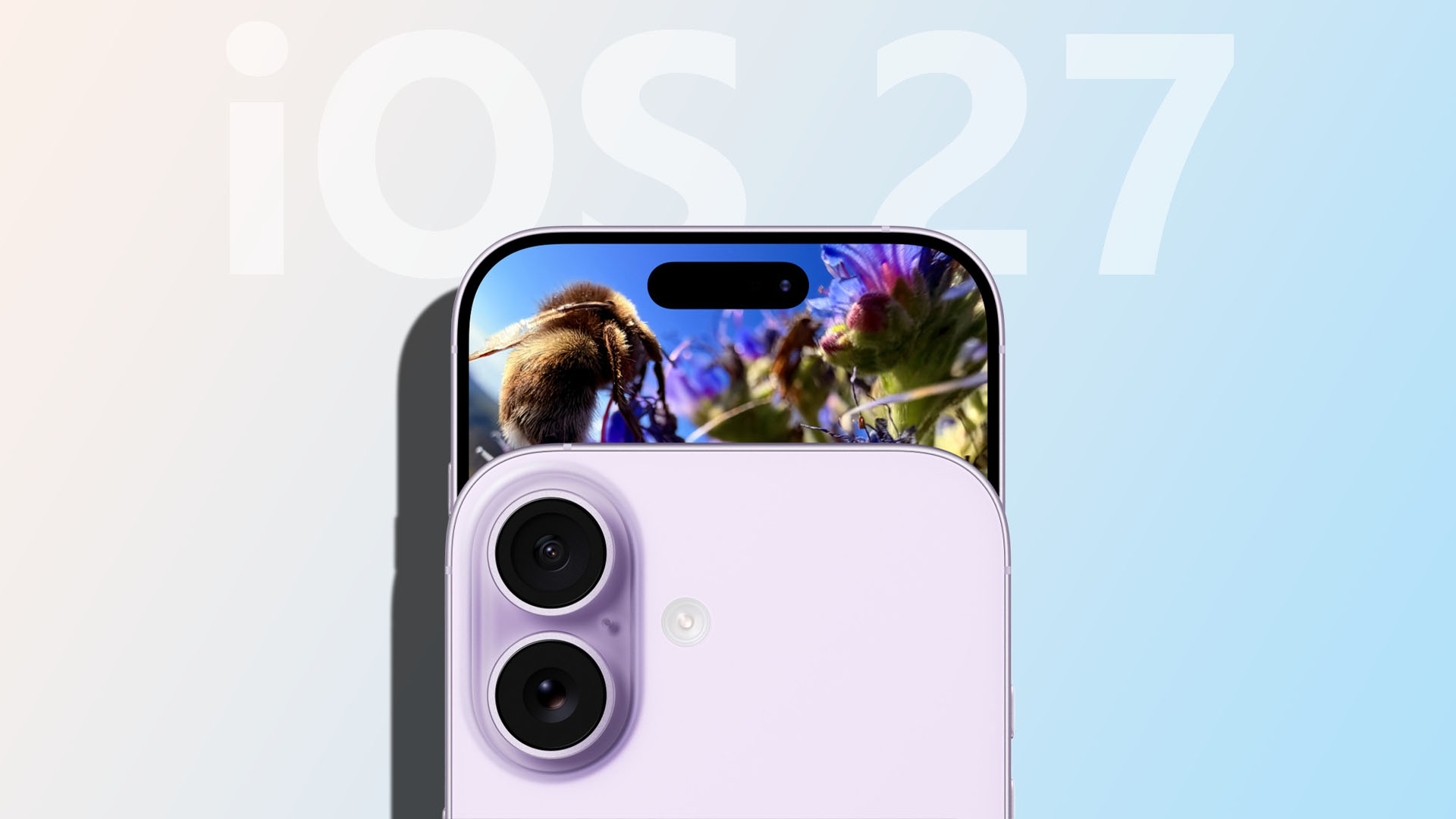
For decades, enterprise IT strategies treated hardware refreshes as a gradual process, with devices serving their purpose until they no longer met software requirements. iOS 27 has dismantled that assumption by drawing an uncompromising line in the sand: only devices from 2019 or newer are eligible for the update, leaving behind even high-performing models like the iPhone XS and XR.
This isn't a minor tweak—it's a structural shift. The update introduces optimizations that reduce background power consumption by up to 15%, a meaningful improvement for enterprise workflows where battery life directly impacts productivity. However, these gains rely on hardware enhancements introduced after 2018, such as increased memory bandwidth and more efficient chip architectures, which the excluded models simply don't possess.
Why This Matters
The exclusion isn't just technical—it's a financial and operational reckoning for organizations. Consider a retail chain with thousands of point-of-sale terminals running iPhones from 2018. Those devices, barely two years old, are now incompatible without warning. The alternative? Upgrading to newer models to access incremental efficiency gains that may not even be noticeable in day-to-day use.
- Supported Models: iPhone 15 Pro, iPhone 15, iPhone 15 Plus, iPhone 14 Pro, iPhone 14 Pro Max, iPhone 14, iPhone SE (3rd generation)
- Excluded Models: iPhone XS and earlier (A11 chip), iPhone XR (A12 chip)
The A12-based devices were once hailed as cost-effective for enterprise use. Now, they represent a cautionary tale—a reminder that software compatibility is no longer just about capability; it's about budgeting for obsolescence. Organizations that delayed upgrades may now face an immediate need to replace devices, with no clear indication of when Apple will extend support further.
Cost vs. Capability
The financial implications are stark. Replacing devices less than two years old to access modest performance improvements can strain budgets, particularly if those gains don't justify the cost of new hardware. Meanwhile, organizations that delayed upgrades may now find themselves in a rush to catch up, with no clear path forward.
Looking Ahead
The rigid compatibility rules in iOS 27 reflect broader industry trends where software lifecycles are becoming as strict as hardware ones. While Apple's focus on USB-C and larger storage capacities makes sense for consumer adoption, it leaves enterprise users with a narrow window to balance cost and capability. The message is clear: staying current isn't optional if you want access to even modest performance improvements.
Final Consideration
The biggest losers in this update are organizations that postponed hardware refreshes, assuming their existing devices would remain viable for longer. iOS 27 serves as a reminder that software compatibility is no longer just about capability—it's about budgeting for obsolescence. The trade-off is undeniable: upgrade to stay current or accept limitations without a clear reason to change.