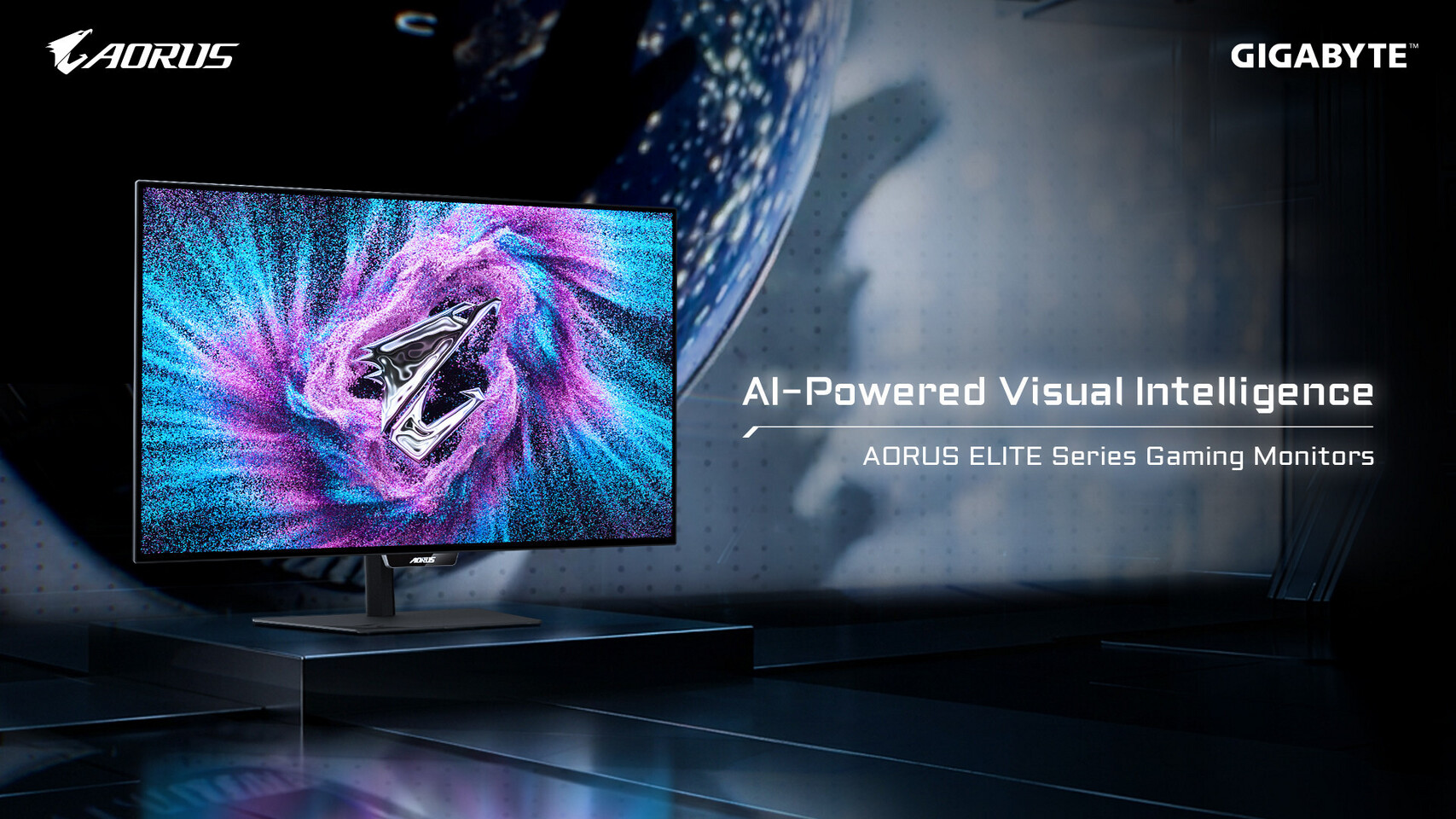
The $599 price tag isn’t just a number—it’s a disruption. For years, OLED monitors have been synonymous with luxury, reserved for those willing to spend over $1,000 for the best possible gaming experience. This new model flips that script, delivering 4K resolution, 175 Hz refresh rates, and HDR contrast that rivals high-end televisions—all at a fraction of the cost.
But what does this mean in practice? The monitor’s specifications are designed to push boundaries: perfect color accuracy, near-instantaneous response times, and a display that makes even the most demanding games feel smoother and more immersive. For gamers already running high-end GPUs like NVIDIA’s RTX 40 series, this isn’t just an upgrade—it’s a necessity to fully unlock their hardware’s potential.
Why Timing Matters More Than Ever
The release of this monitor arrives at a pivotal moment. GPU prices have stabilized, and demand for high-refresh-rate displays is surging as developers optimize content for next-gen hardware. Gamers who invest now aren’t just upgrading their setup; they’re positioning themselves for the future.
- Titles that leverage ray tracing or dynamic resolution scaling will perform noticeably better on this monitor, with smoother frame rates and more realistic visuals.
- The difference extends beyond raw performance—it’s in how games feel, especially in fast-paced genres like first-person shooters or racing simulators.
- Developers are increasingly targeting high-refresh-rate OLED displays, meaning those without one may soon find themselves at a disadvantage.
The Unanswered Questions
While the core specifications are confirmed, some details remain uncertain. Will this monitor support advanced features like G-Sync Ultimate or FreeSync Premium Pro? What about long-term reliability in high-burn-in scenarios—a known concern with OLED displays? These questions linger, but they don’t overshadow the immediate impact of what’s already on offer.
The bottom line is clear: this monitor isn’t just an upgrade—it’s a statement. It signals that the future of gaming is here, and it’s within reach for those ready to invest. For gamers, the question isn’t whether they should upgrade anymore; it’s when they can afford not to.