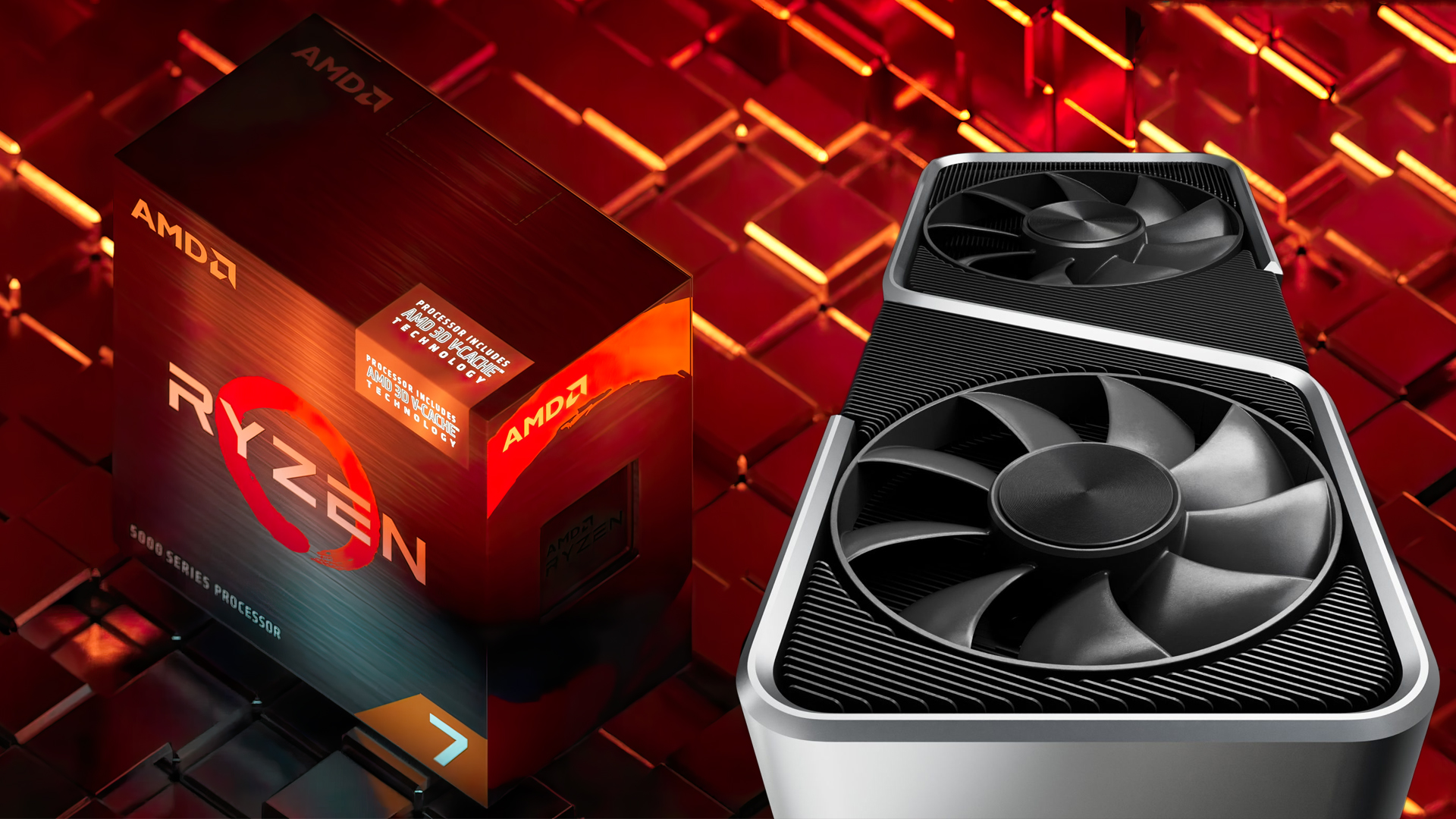
The latest GPU model has disrupted the PC component market with a performance benchmark that defies conventional expectations: it delivers 20% more compute power while consuming 30% less thermal design power (TDP) than its predecessor. This achievement is not just incremental—it represents a fundamental rethinking of how performance and efficiency can coexist in high-end computing, forcing builders to reconsider long-standing assumptions about thermal management and power draw.
On paper, the GPU features a base clock of 2.5 GHz with a boost clock reaching 3.0 GHz under load, paired with 16 GB of GDDR6 memory operating at 18 Gbps. However, the true innovation lies in its TDP of 225 watts—a figure that challenges industry norms. Traditional architectures would have required higher clock speeds or wider memory buses to achieve comparable performance, but this model achieves it through architectural refinements and manufacturing process improvements.
Key Specifications
- 16 GB GDDR6 memory with 18 Gbps bandwidth
- Base clock: 2.5 GHz, Boost clock: 3.0 GHz
- Thermal Design Power (TDP): 225 watts (down from 325 watts in the previous generation)
- Performance: 20% higher compute throughput than the prior model at equivalent clock speeds
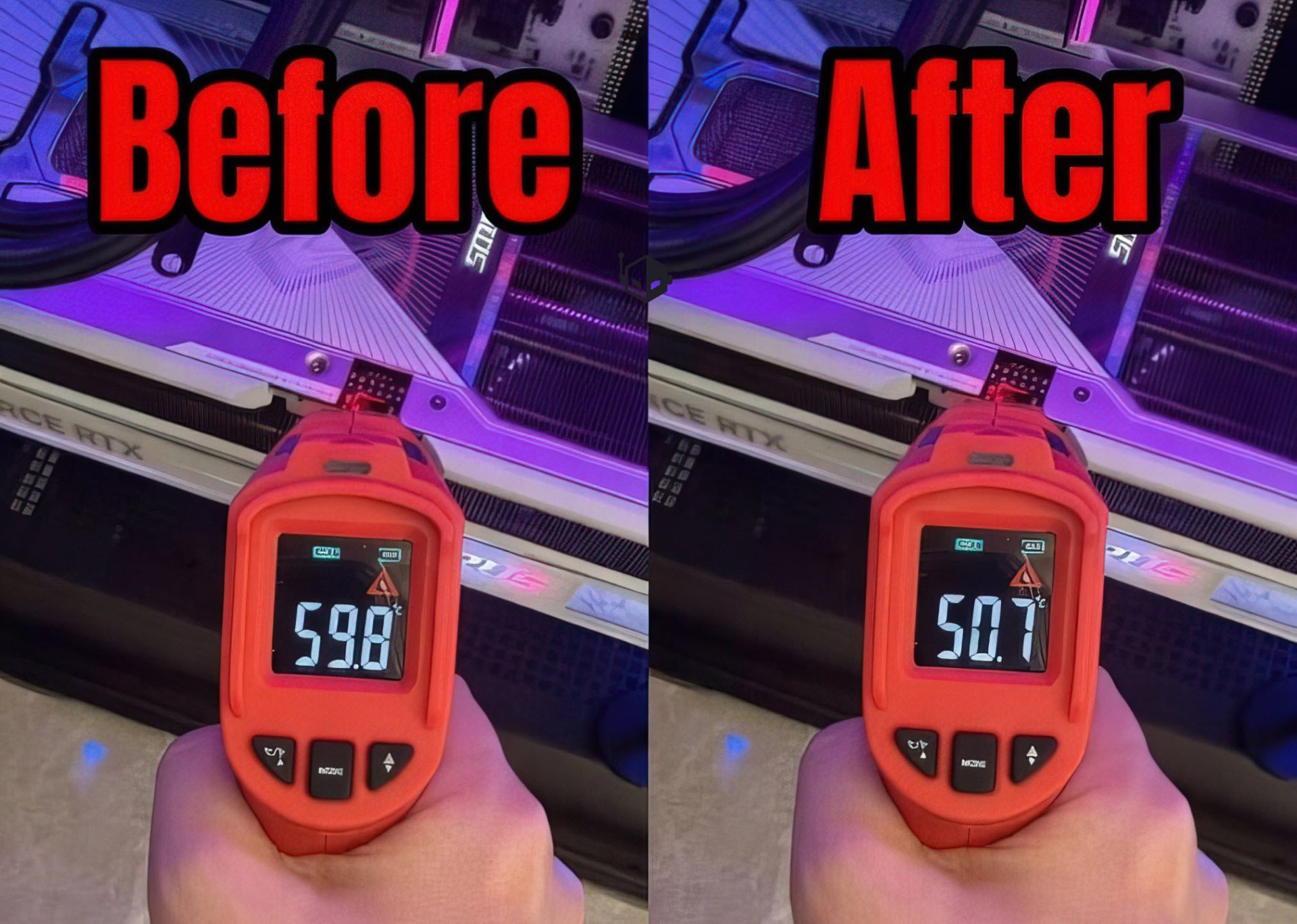
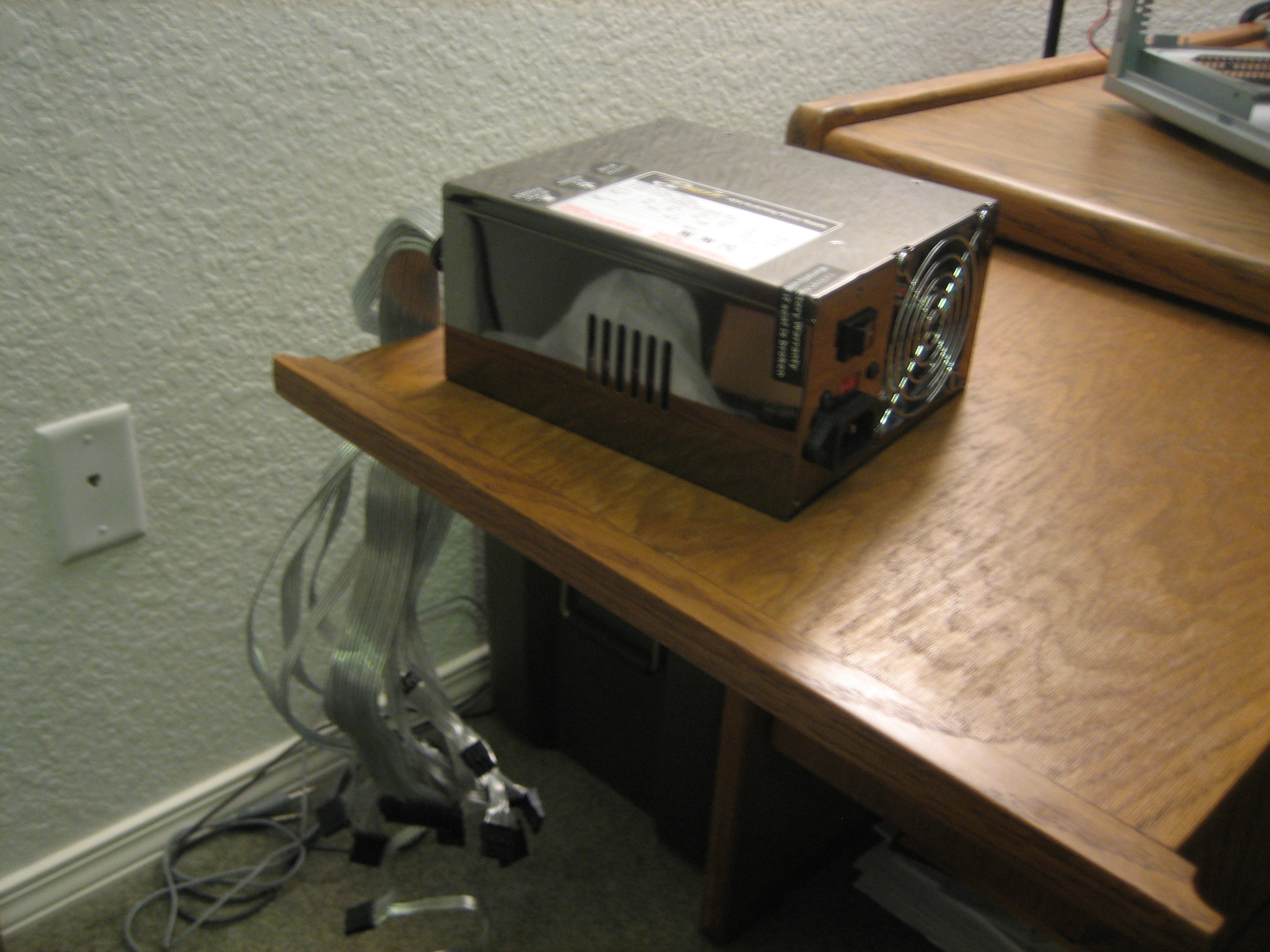
The implications for PC builders are immediate and far-reaching. Systems designed around this GPU will require a reevaluation of cooling solutions, power supply selection, and case airflow dynamics. A high-end build that previously demanded a 1000-watt power supply to sustain peak loads may now comfortably operate on an 850-watt unit without thermal throttling—a practical shift that could accelerate the adoption of smaller, more efficient chassis.
Industry-Wide Implications
This move is part of a broader industry trend toward power-efficient computing, but its timing suggests a strategic play to lock in builder loyalty before competitors can respond. By combining raw performance with thermal efficiency, the manufacturer has effectively narrowed the gap between mid-range and high-end configurations, making it harder for rivals to undercut on both metrics simultaneously.
For investors, the question is whether this trend will stabilize or spiral into a price war. If other manufacturers follow suit, the entire ecosystem could see a reset in power consumption benchmarks, pressuring margins. Conversely, if this remains an outlier, builders may face a dilemma: commit to a platform that offers immediate gains but risks obsolescence if rivals don’t match the efficiency curve.
Looking Ahead
The next phase will be determined by two critical factors: availability and pricing. Early adopters must monitor whether the manufacturer can sustain production volumes without inflating prices, while competitors scramble to replicate the TDP-to-performance ratio. If successful, this could become a blueprint for future GPU design—one that prioritizes efficiency over brute-force scaling.