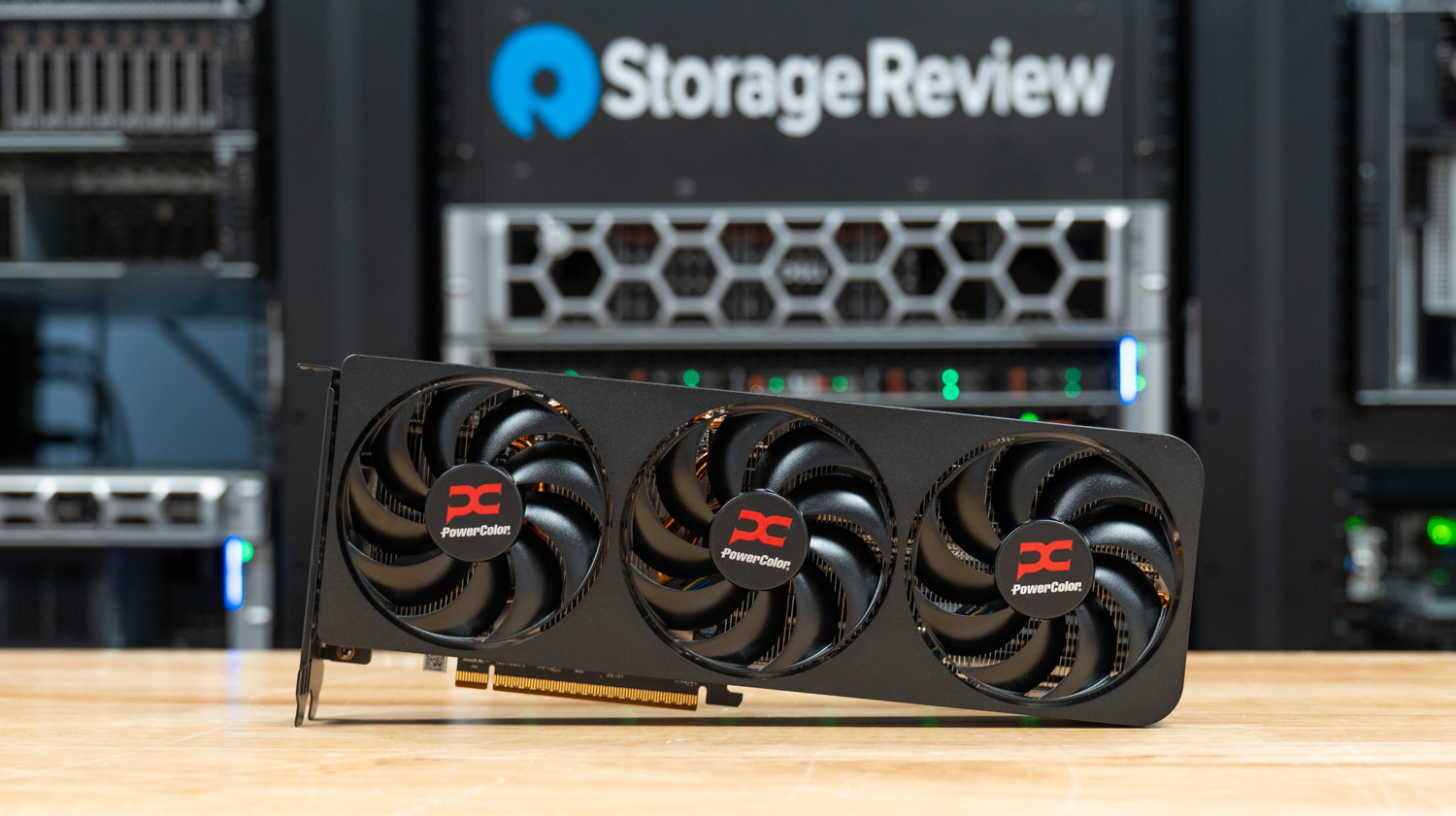
MSI has announced a new approach to cooling and power management for its upcoming RTX 50 series graphics cards, emphasizing durability in next-generation GPUs. At the heart of the design is diamond-laced cooling, which the company claims improves thermal performance while maintaining long-term stability under extended workloads.
The RTX 50 series, built around NVIDIA’s latest architecture, demands more power and generates significantly higher heat than its predecessors. To address this, MSI has integrated resettable fuses into its power delivery system, providing a safeguard against voltage spikes or component failures without permanently disabling the card. This is paired with a reinforced 16-pin power connector, designed to reduce the risk of loose connections—a common issue in high-power GPUs.
Key Specifications
- Cooling: Diamond-laced vapor chamber with enhanced heat pipe distribution for improved thermal transfer and longevity under sustained loads.
- Power Delivery: Resettable fuses to protect against voltage fluctuations, ensuring the GPU can recover from transient faults without permanent damage.
- 16-Pin Connector: Reinforced design with better locking mechanisms to prevent accidental disconnection during operation.
- Architecture: Compatible with NVIDIA’s RTX 50 series, featuring up to 4K/8K ray tracing capabilities and AI-accelerated workloads.
While the diamond cooling system is a visual standout, its practical benefit lies in maintaining consistent temperatures under prolonged gaming sessions or professional workloads. Previous generations often saw thermal throttling as sustained loads pushed components to their limits. MSI’s redesign aims to mitigate this by distributing heat more evenly across the vapor chamber and improving airflow efficiency.
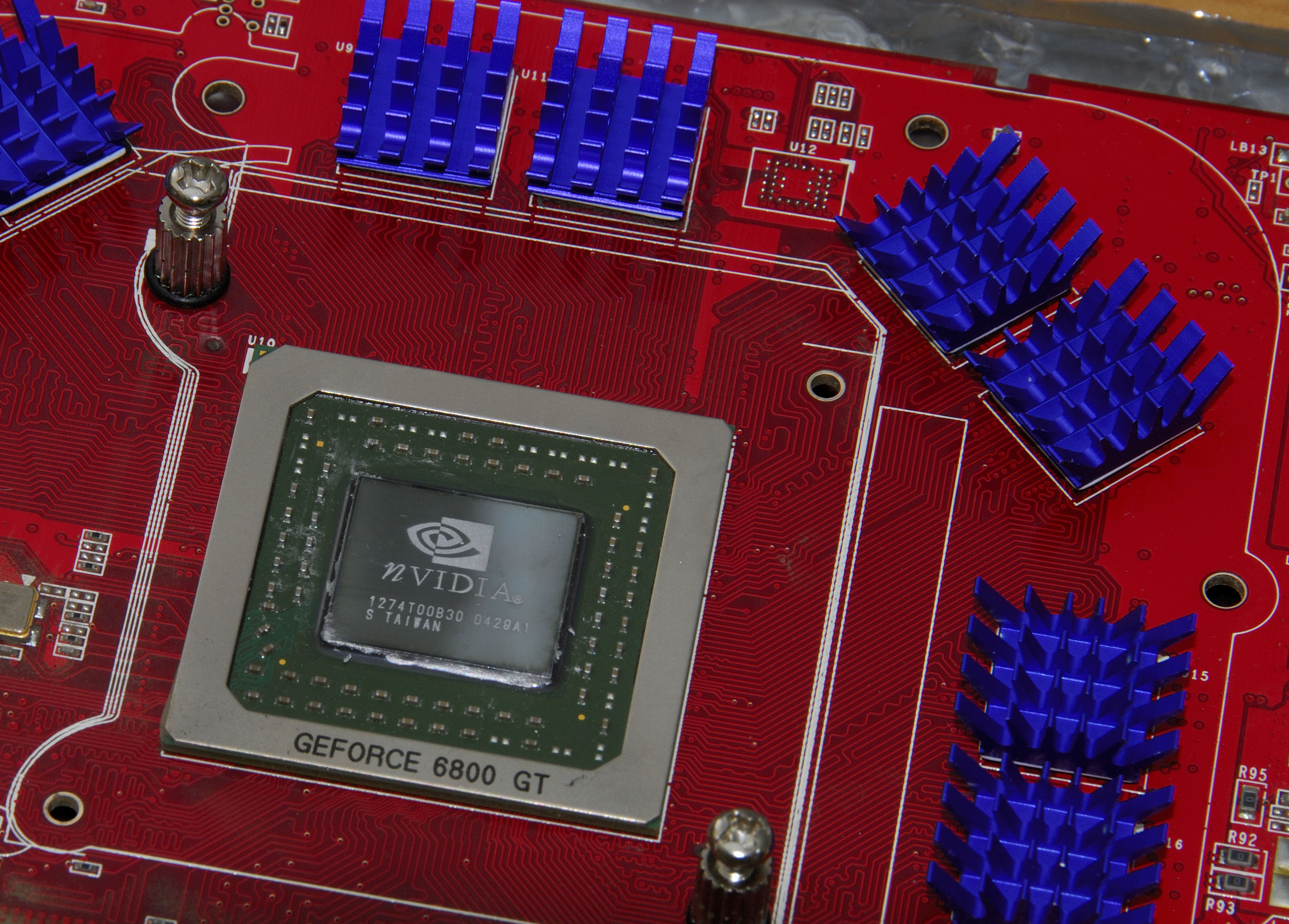
The resettable fuses represent a shift from traditional one-time protection mechanisms, which could leave a GPU bricked after a power surge. This feature is particularly relevant for overclockers or users running high-power configurations, where the risk of voltage instability increases. The reinforced 16-pin connector addresses a long-standing pain point in high-end GPUs, where repeated plugging and unplugging could loosen connections, leading to system crashes or data corruption.
Operational Impact
The changes are not just about durability but also about reducing the operational cost for users. High-performance GPUs often require careful power management to avoid hardware degradation over time. MSI’s design simplifies this by embedding protective features directly into the card, reducing the need for external safeguards like undervolting or manual monitoring.
However, the practical impact remains to be seen in real-world testing. While diamond cooling and resettable fuses sound promising, their effectiveness will depend on how well MSI balances thermal performance with power efficiency. The RTX 50 series is expected to push the boundaries of what’s possible in ray tracing and AI workloads, so any improvements in stability could have a significant ripple effect across gaming, content creation, and professional applications.
For now, MSI has confirmed that these features will be part of its flagship RTX 50 series lineup, though exact models and pricing are not yet disclosed. The focus here is on engineering tradeoffs—balancing heat dissipation with power delivery while ensuring the GPU remains operational under extreme conditions. Whether this approach becomes the standard for next-gen cards or remains a niche solution will depend on how it performs in benchmarks and user feedback.