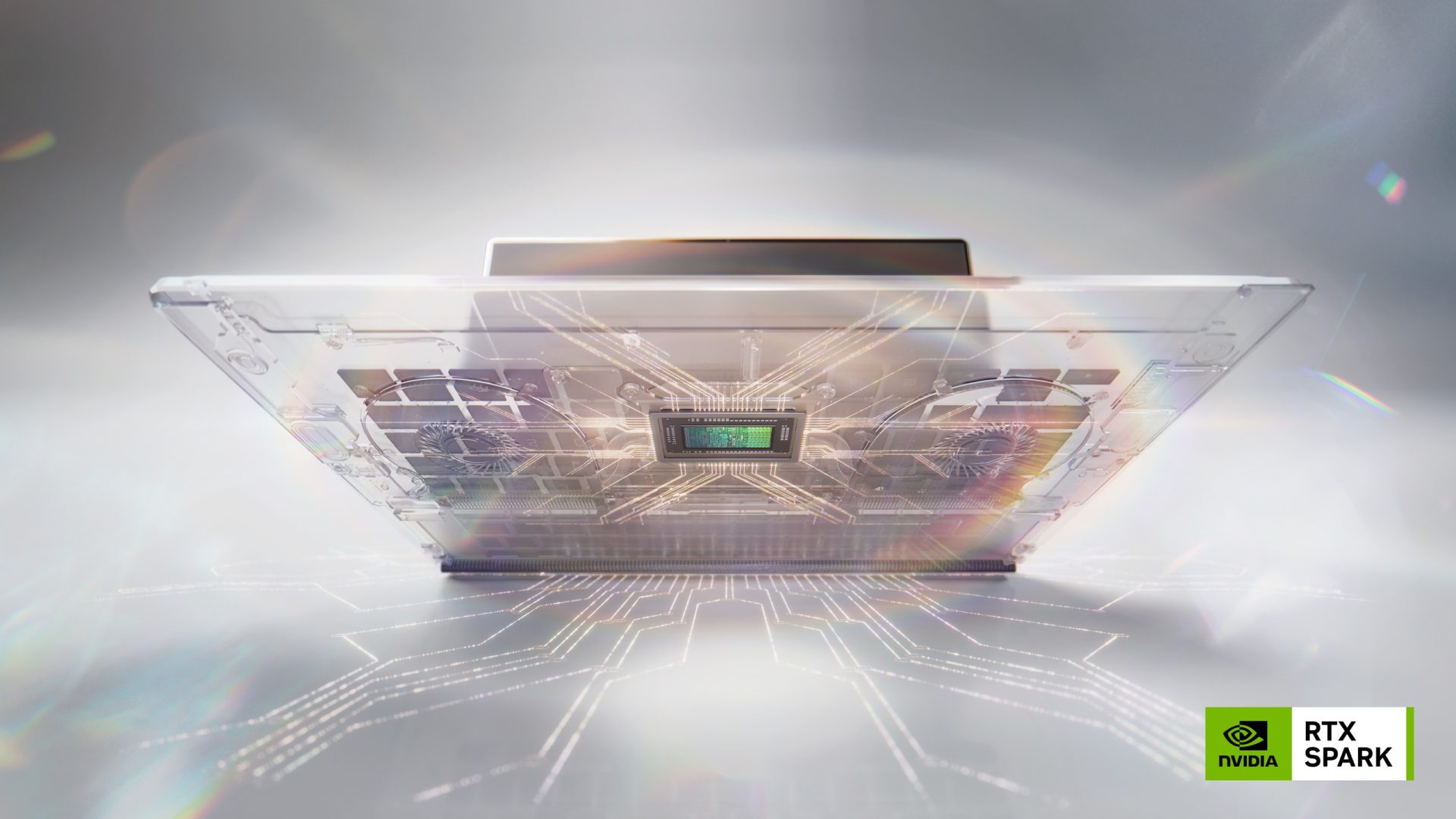
NVIDIA’s strategy for the RTX Spark series is no longer a one-off gambit. The company has secured enough 3 nm N1X silicon from TSMC to sustain robust growth in the PC market, moving beyond its niche appeal to AI developers and DGX Spark users. This isn’t just about meeting demand—it’s about setting the foundation for multiple generations of hardware.
At Computex, NVIDIA confirmed it is already working on the second (N2X) and third (N3X) generations of silicon behind RTX Spark. These chips are expected to leverage future process nodes, potentially incorporating next-gen microarchitectures like Vera for CPU and Rubin or Feynman for graphics/compute. The timeline suggests a sustained investment in PC market dominance, not just reactive innovation.
Key Specs and Advanced Features
- Silicon: 3 nm N1X (current), with N2X and N3X slated for future generations.
- Target Segments: Entry-level to high-end, covering mainstream and performance PC markets.
- Advanced Features: Expected integration of next-gen microarchitectures (Vera CPU, Rubin/Feynman graphics/compute).
The RTX Spark’s design is purposefully flexible, aiming to compete across all mainstream segments. Unlike the DGX Spark, which targets AI developers, this series is built for broader adoption—performance, efficiency, and scalability in mind.
Performance and Thermals: The Real-World Test
Efficiency is a critical differentiator here. NVIDIA’s focus on performance-per-watt suggests these chips are engineered to handle sustained workloads without thermal throttling—a common pain point in high-end GPUs. However, the lack of concrete benchmarks or real-world data leaves room for skepticism about whether these claims will hold under stress.
Implications: A Shift in Market Strategy
This roadmap marks a significant departure from NVIDIA’s traditional approach. Historically, the company has treated PC GPUs as an extension of its high-end gaming lineup (e.g., RTX 5070, RTX 5090). The RTX Spark, however, is positioned as a mainstream contender, with implications for both software and hardware ecosystems.
- Developers will need to adapt their workloads to leverage these chips effectively, especially if Rubin or Feynman brings substantial architectural changes.
- Thermal management will be critical—NVIDIA’s past products (e.g., RTX 5090) have shown that power efficiency is not always synonymous with real-world performance under load.
The company’s decision to secure supply early suggests confidence, but the absence of clear timelines or pricing for N2X/N3X leaves key questions unanswered. Will these chips follow the RTX 50-series’ trajectory, or will they carve a new path? Only time—and benchmarks—will tell.
What to Watch
Availability and pricing for the RTX Spark series remain unclear, but the roadmap hints at a multi-year commitment. Developers should monitor NVIDIA’s progress on Vera, Rubin, and Feynman, as these could redefine what’s possible in PC graphics and compute.