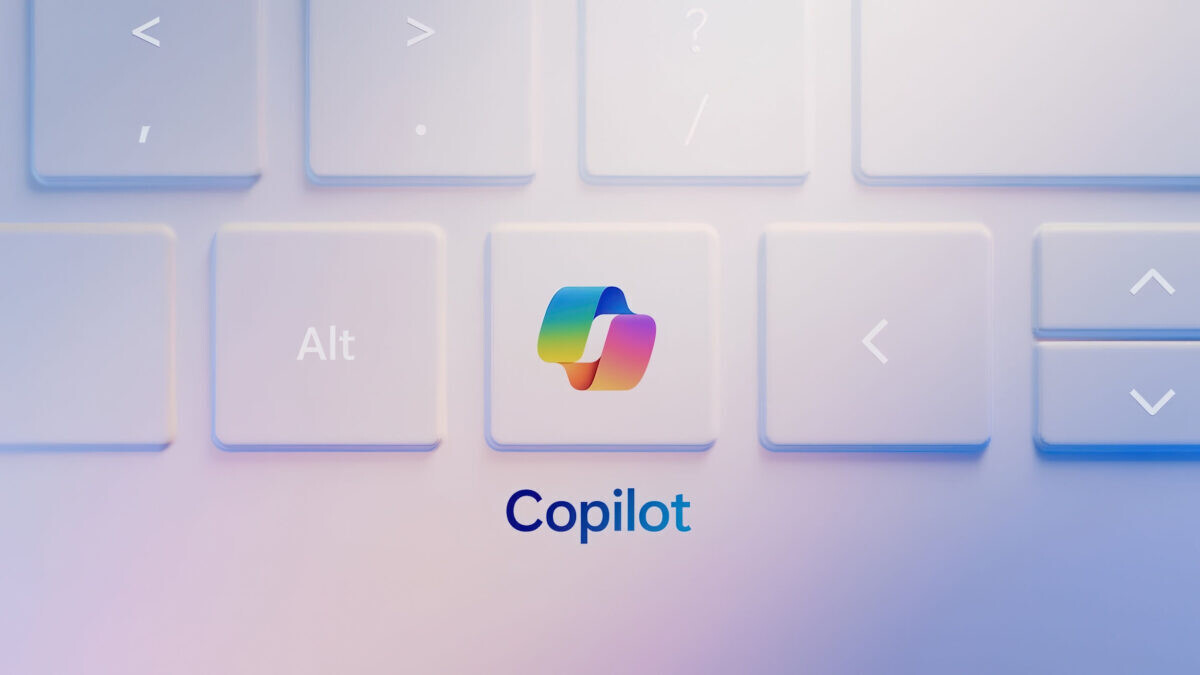
For years, the dedicated Copilot key on Microsoft devices has been a fixed feature, designed solely to launch AI-driven applications. That is changing. A forthcoming update to Windows 11 will introduce reprogrammability, letting users reassign the key to functions like Context Menu, Right Ctrl, or an additional Start key. This shift reflects growing user dissatisfaction with forced Copilot integration and signals a broader push toward customization in Microsoft’s ecosystem.
The move comes as part of a larger effort by Microsoft to address criticisms over its AI-driven features. While the Copilot key was initially introduced in 2024 as part of the AI PC specification, many OEMs simply replaced existing keys—such as Ctrl or Context Menu—without offering meaningful flexibility. Now, users will have the option to tailor their experience, a change that could set a new standard for keyboard functionality in Windows devices.
Why This Matters
The reprogrammable Copilot key is more than a technical adjustment; it represents a response to user demands for greater control. Microsoft’s past attempts to integrate AI features—often without clear opt-out paths—have drawn backlash, particularly from power users and developers who prioritize functionality over forced innovation. By allowing reassignment, the update may help bridge that gap, though questions remain about how widely this feature will be adopted and whether it will extend to other AI-driven elements in Windows.
Key Specifications
- Reprogrammable Copilot Key: Users can now reassign the key to Context Menu, Right Ctrl, or an additional Start key, providing flexibility in keyboard layout.
The change is expected to appear in a future Windows 11 update, though no official release date has been confirmed. If implemented smoothly, it could redefine how users interact with their devices, particularly for those who rely on specific key mappings for productivity or accessibility. However, the success of this feature will depend on its ease of use and whether Microsoft expands similar customization options in the future.
Looking Ahead
The reprogrammable Copilot key is a step toward addressing user frustration, but it also raises questions about broader trends in Windows development. Will Microsoft continue to prioritize flexibility in its AI-driven features? And how will this change impact OEMs, who may have designed hardware with the Copilot key’s original purpose in mind? For now, users can expect more control over their devices, but the full implications of this shift remain to be seen.
As Microsoft navigates a landscape of both innovation and user pushback, this update serves as a reminder that even tech giants must adapt. The question is whether this adaptation will be enough to satisfy growing demands for customization—or if it’s just the beginning of a larger conversation about how AI integrates with personal computing.