Storage speeds that once seemed impossible are now standard, but even the fastest single SSD can’t keep up with the demands of modern workloads.
The arrival of PCIe 5.0 SSDs—with sequential read/write speeds hitting 14,000 MB/s and random IOPS exceeding 2 million—has exposed a critical bottleneck: no single drive can sustain those peaks across all tasks. Power users, from video editors to data scientists, are turning to dual SSD setups not just for capacity, but for raw performance that outpaces traditional configurations.
This shift isn’t just about brute force; it’s about how data moves through a system. A single high-end PCIe 4.0 SSD might max out at 7,000 MB/s sequential reads, but pair two of them and bandwidth doubles instantly. The result? Faster file transfers, smoother multitasking, and reduced latency in applications that juggle multiple data streams.
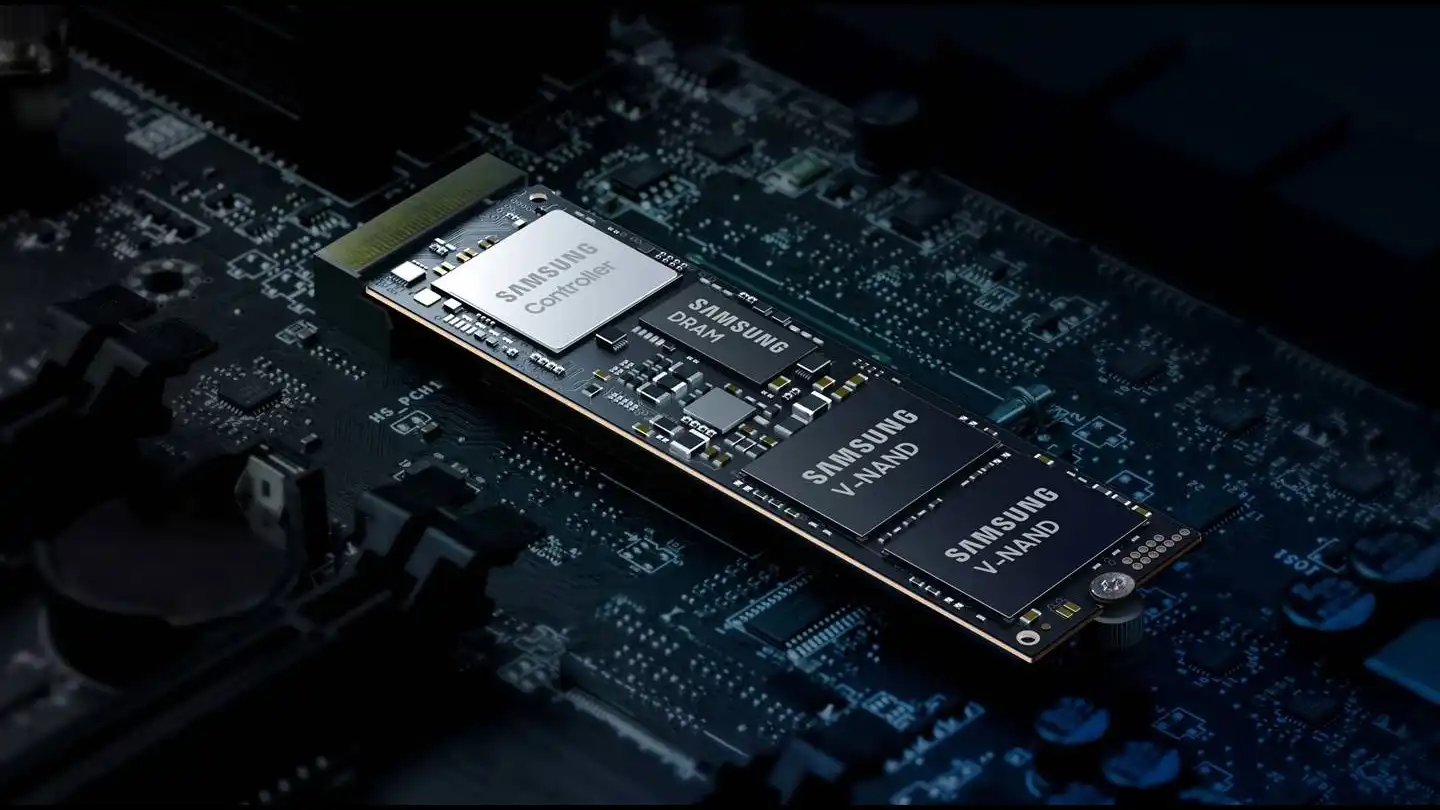
While dual SSD setups were once a niche strategy for workstations, they’re now becoming more mainstream as prices drop and motherboard support improves. The key question isn’t whether this is the future—it’s who stands to benefit most from making the switch.
- Dual SSDs double bandwidth without complex hardware changes.
- Random IOPS scale linearly, making them ideal for databases and media workflows.
- No single drive can match the sustained performance of two working in parallel.
The transition from SATA to PCIe 3.0 already proved that faster interfaces demand smarter storage architectures. Now, with PCIe 5.0 on the horizon, the trend toward dual-drive setups is only accelerating. For those who treat their PC like a tool rather than an appliance, this isn’t just an upgrade—it’s a necessity.