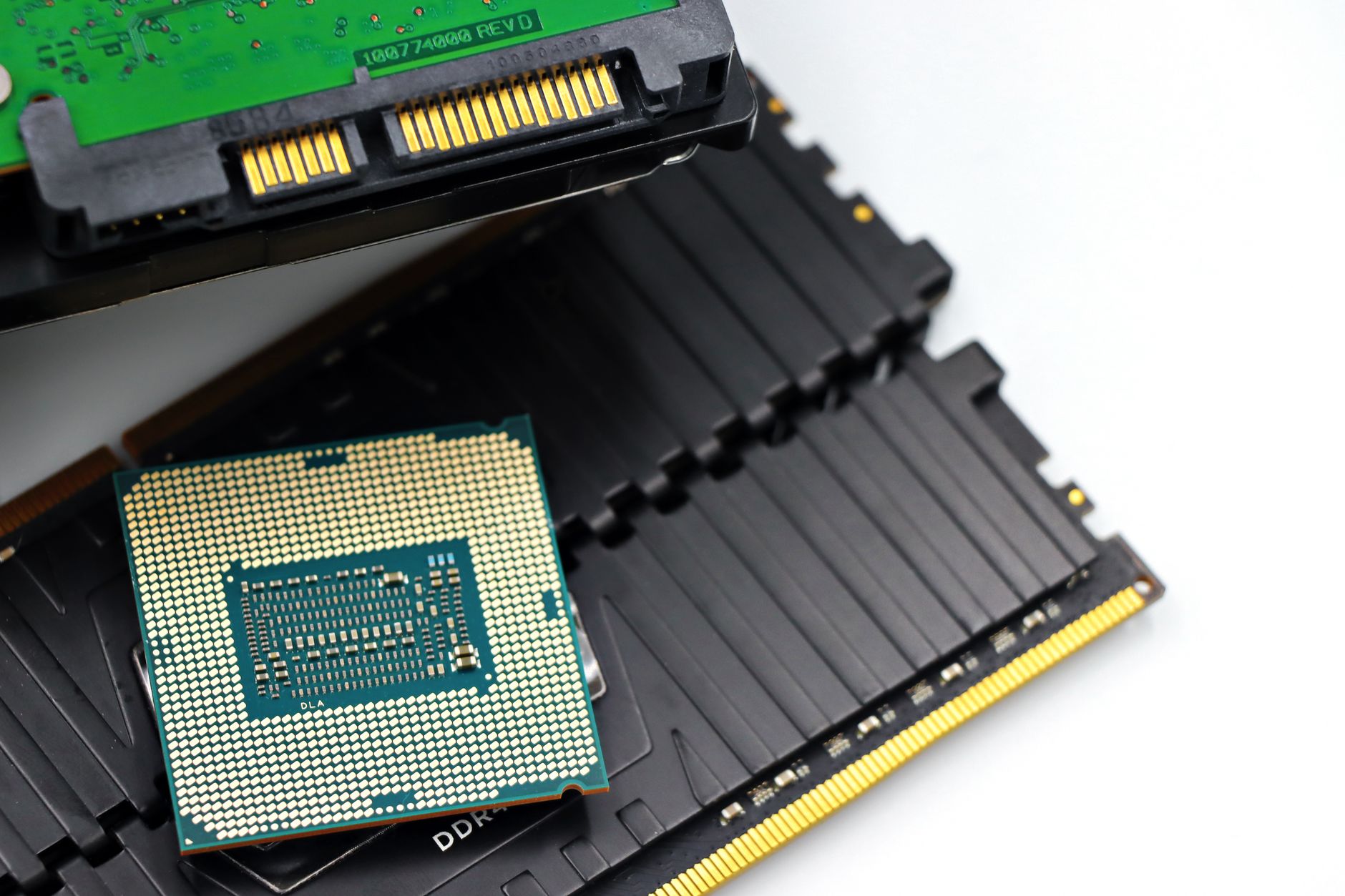
Micron has developed a way to stack GDDR memory modules vertically, mimicking the structure of HBM used in high-end AI chips. This could significantly boost bandwidth for gaming GPUs, but whether it will appear in consumer products remains uncertain.
The technique involves stacking multiple layers of GDDR6 memory, which is already common in graphics cards, but doing so in a way that increases capacity and speed without the same power draw as HBM. If successful, this could address one of the biggest bottlenecks for AI workloads: memory bandwidth.
What people might assume is that this technology will immediately appear in next-generation GPUs, slashing costs and improving performance. The reality is more nuanced. Micron’s approach requires precise manufacturing processes to align the layers without increasing latency or power consumption. Even if prototypes work, mass production could take years, especially with current supply chain constraints.
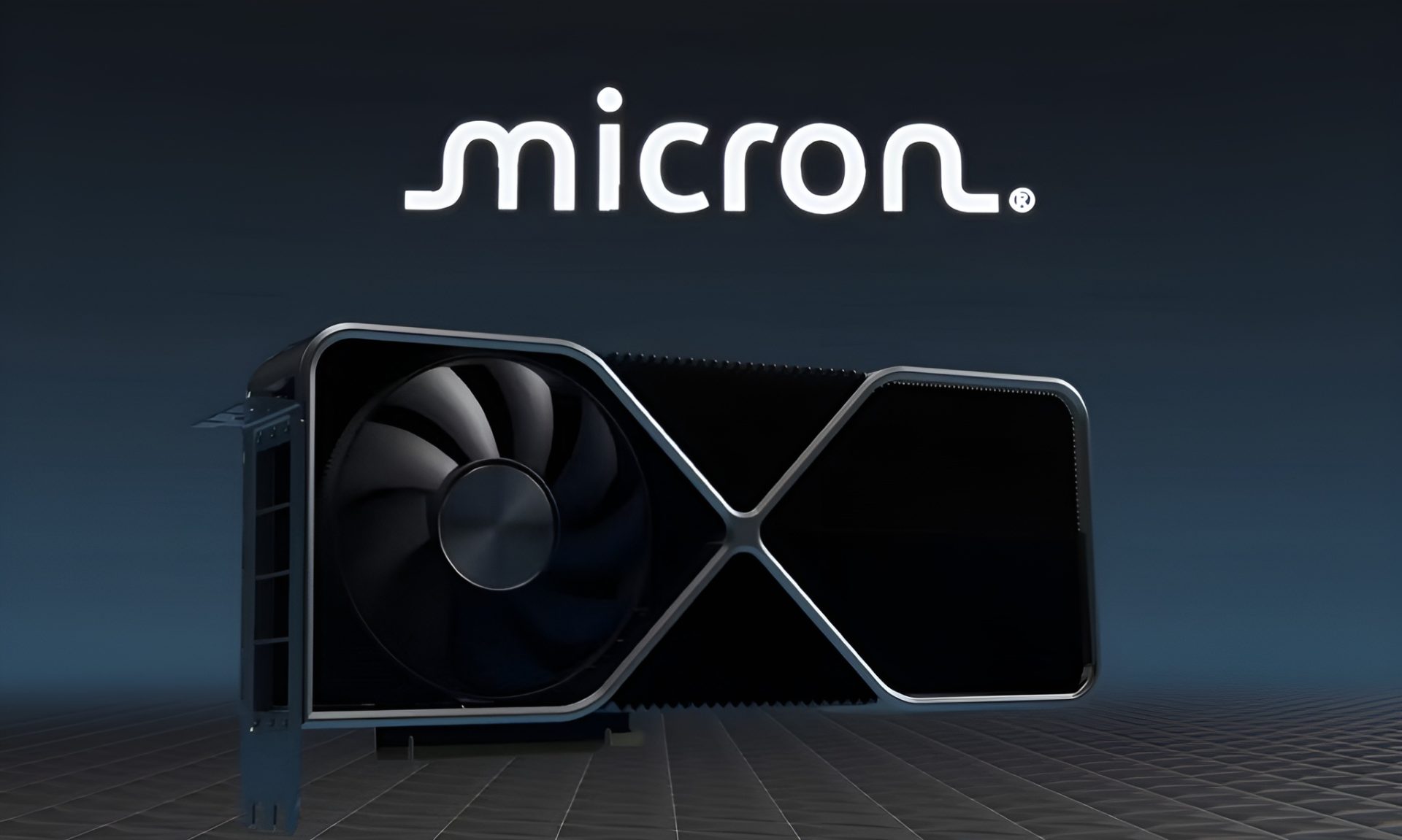
The real impact lies in how this could shift the landscape for data-intensive applications. AI training and inference demand massive amounts of memory bandwidth, often outpacing what traditional GDDR can deliver. Stacking GDDR modules could bridge that gap without needing to switch entirely to HBM, which is more expensive and complex to implement.
For now, buyers should brace for a long wait if they expect this in their next GPU purchase. The technology isn’t ready for prime time, and even if it is, the cost savings aren’t guaranteed. But if Micron can pull this off, it could redefine how memory is used in high-performance computing.