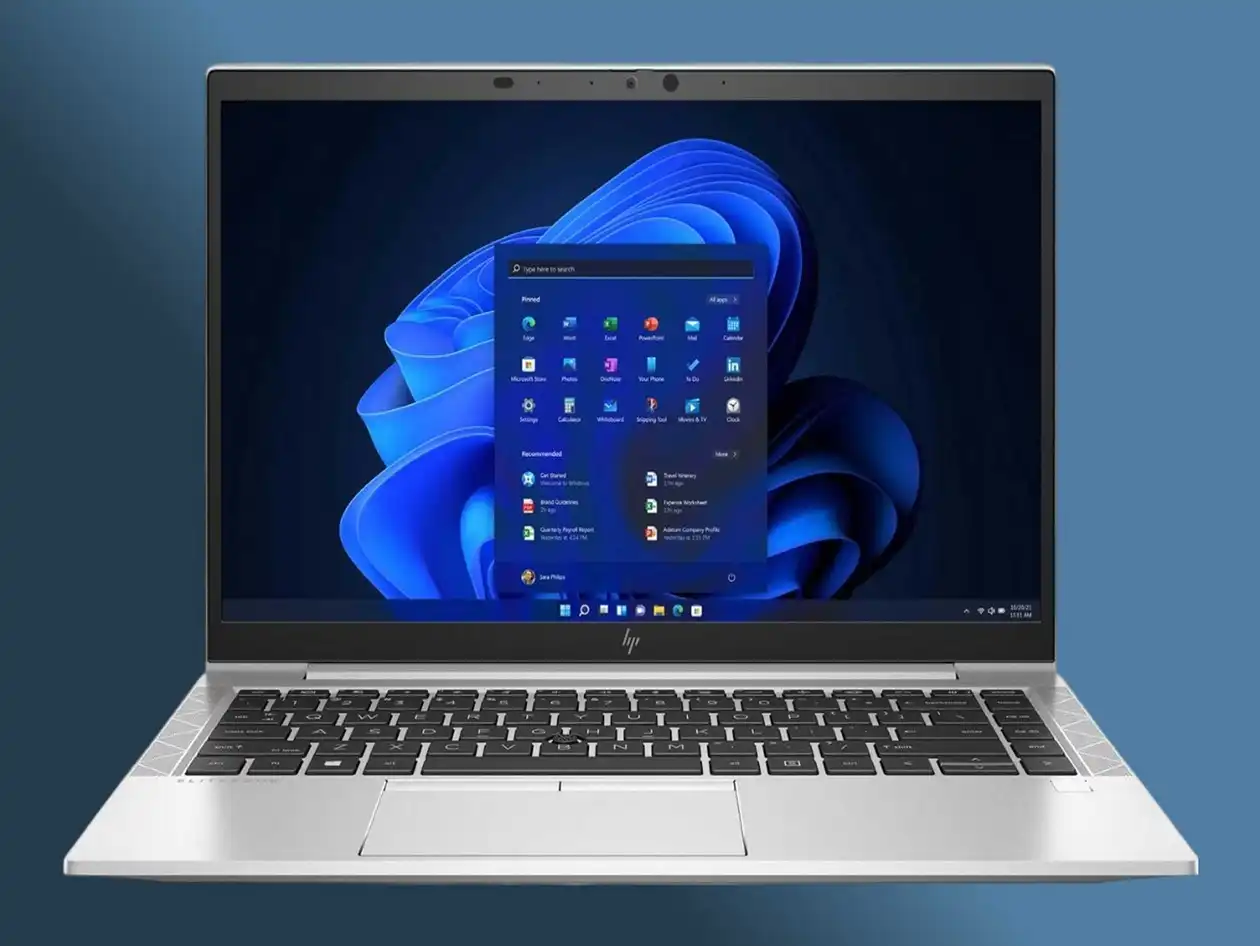
The push for ultra-slim form factors has reached a breaking point. While lighter, more portable laptops are often marketed as premium alternatives to the MacBook Pro, the reality is that many are sacrificing critical performance attributes in the process. This isn’t just about aesthetics; it’s about how these devices behave under real-world workloads, and whether enterprises can trust them for long-term deployment.
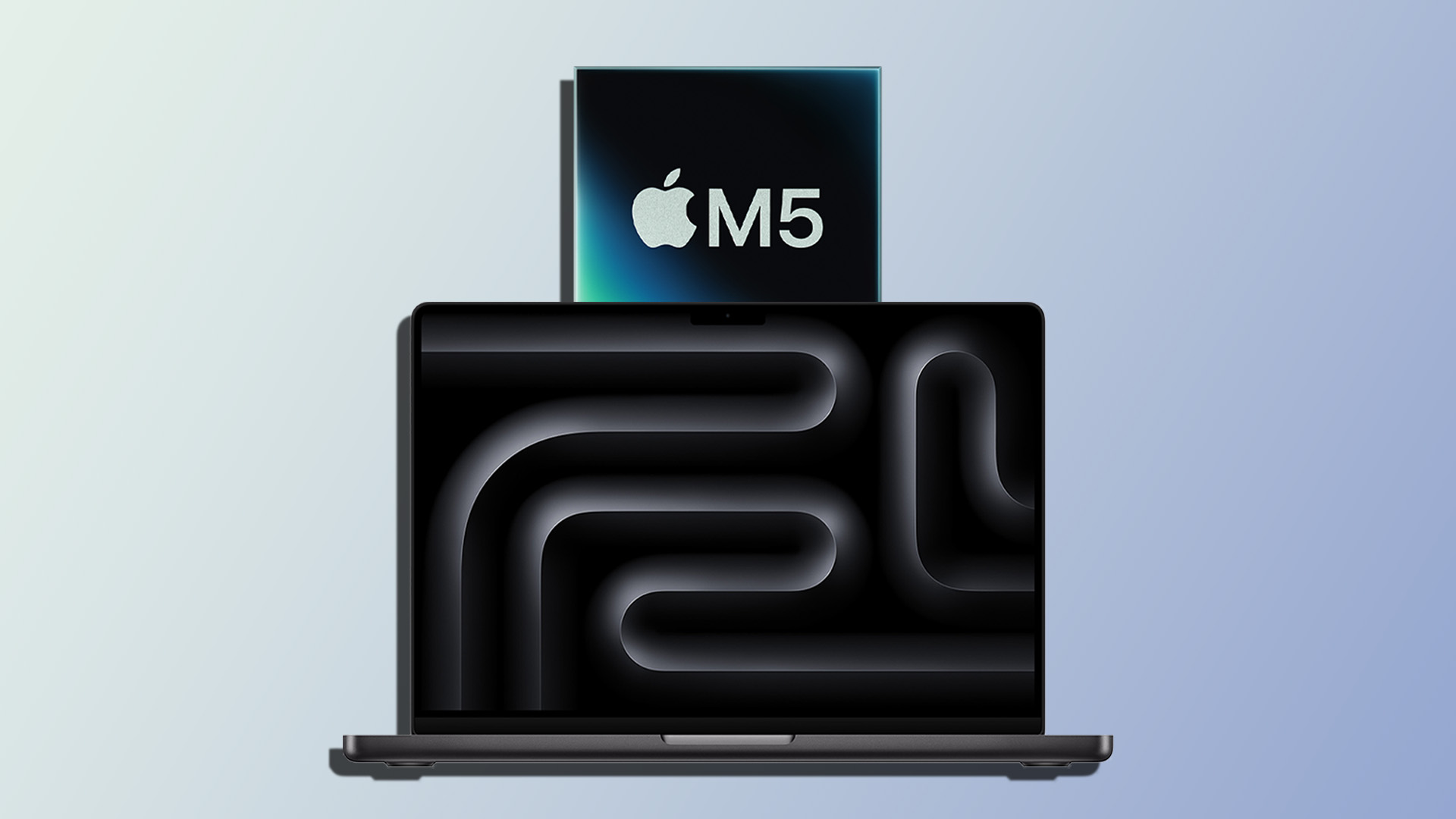
For years, the MacBook Pro has set the standard by proving that a thin profile doesn’t have to mean weaker engineering. Its use of M-series chips—combined with advanced thermal management and robust build materials—has allowed it to deliver sustained performance without significant throttling. But as competitors scramble to match its portability, they’re making compromises that could undermine their value proposition.
Thinner Doesn’t Always Mean Better
- Heat dissipation is becoming a major bottleneck. Slashing chassis thickness often means reducing the space available for cooling solutions, leading to thermal throttling during demanding tasks like rendering or data analysis.
- Build materials are shifting from high-strength magnesium alloys to lighter plastics that lack structural rigidity, increasing the risk of flex or damage over time—especially in professional environments where durability matters.
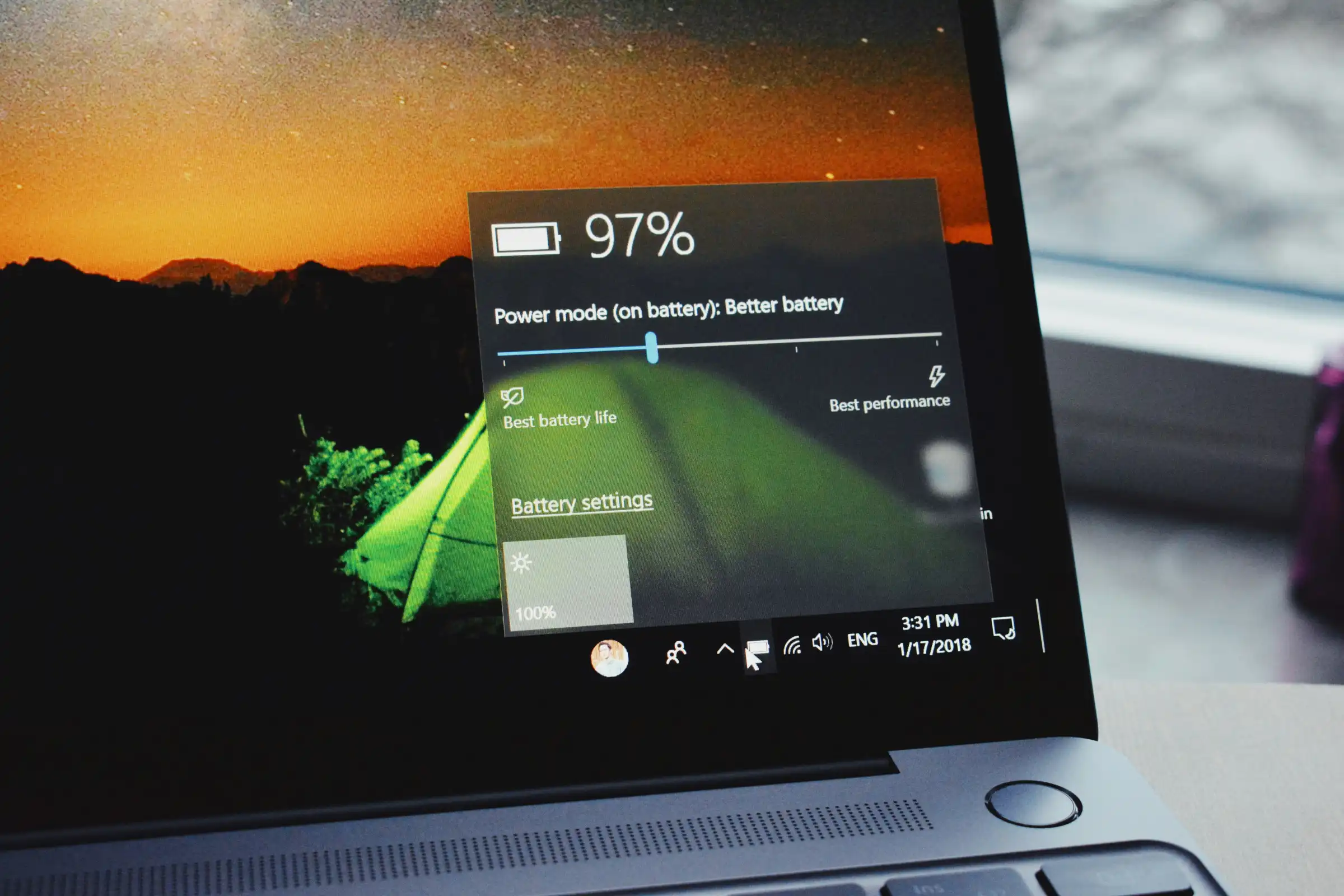
- Battery life is another casualty. Many ultra-slim designs prioritize space for internal components or cooling over battery capacity, resulting in shorter runtimes compared to more robust alternatives.
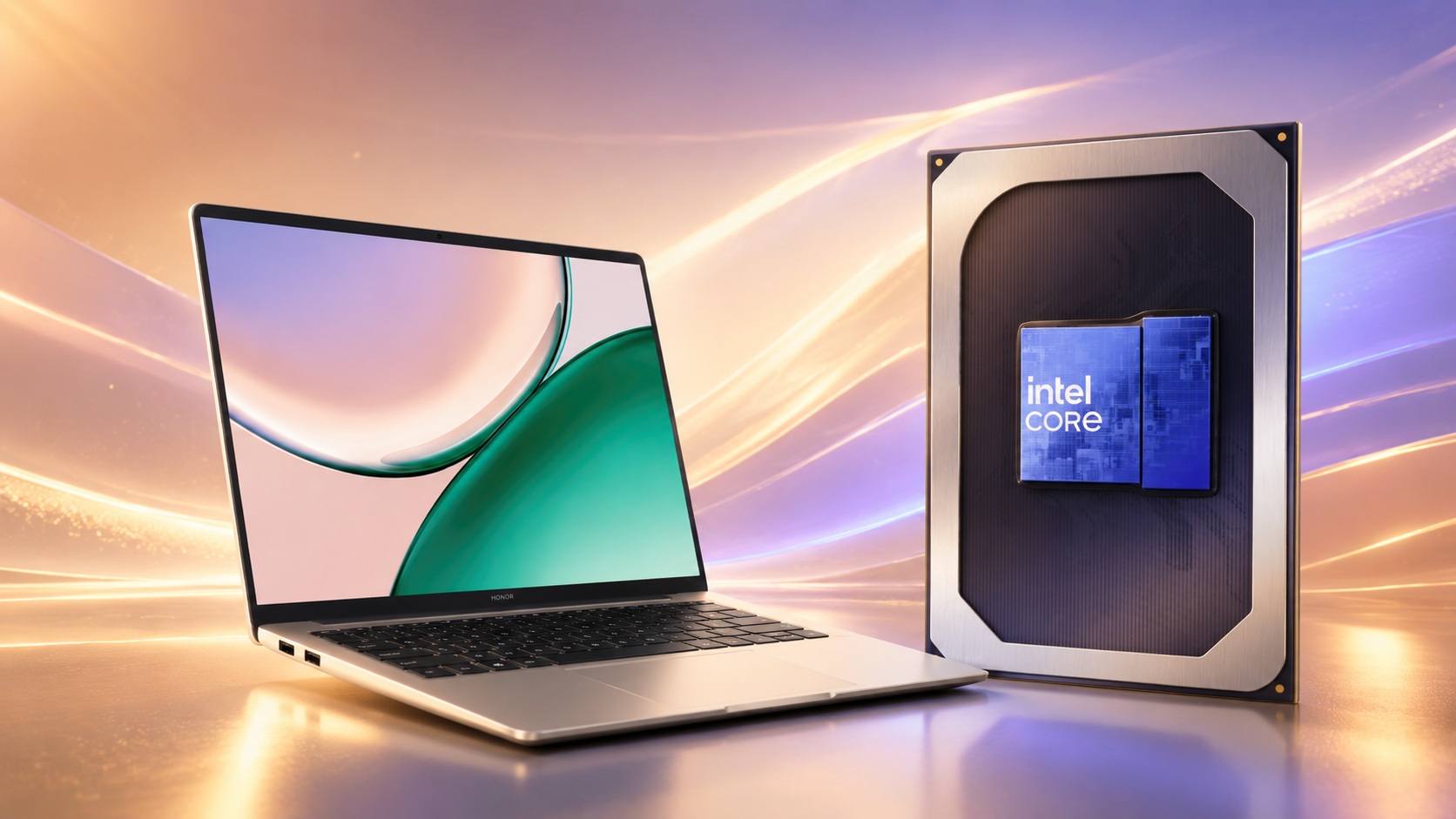
The MacBook Pro’s advantage lies in its ability to integrate performance and efficiency without these trade-offs. Its M-series architecture allows for tighter thermal design while maintaining power efficiency, but others are struggling to replicate this balance. Some brands have adopted similar chipsets, yet their cooling systems and power delivery infrastructure haven’t kept pace, leaving them vulnerable to performance dips under load.
A Harder Choice for Enterprises
For IT departments, the implications are clear: they must now weigh portability against reliability. A laptop that checks all the boxes for weight and design may not hold up under sustained use, particularly in roles where performance consistency is non-negotiable. This is forcing a reevaluation of priorities—one that could slow the adoption of ultra-slim designs if their limitations become too pronounced.
The question remains whether competitors can innovate their way out of this dilemma without sacrificing key attributes like thermal management or build quality. For now, the MacBook Pro’s lead appears secure, but the pressure to follow its path is undeniable. The result? A market where thinness is no longer synonymous with excellence, and enterprises are left choosing between form and function in ways they never anticipated.