The laptop market is witnessing a subtle but significant transformation, one where the balance between cost and capability is tipping in favor of users. Apple’s latest move with the M5 MacBook Pro underscores this shift, particularly through its base configuration now offering a 1TB SSD at a reduced price—a departure from traditional pricing strategies that often reserved such capacity for higher-tier models.
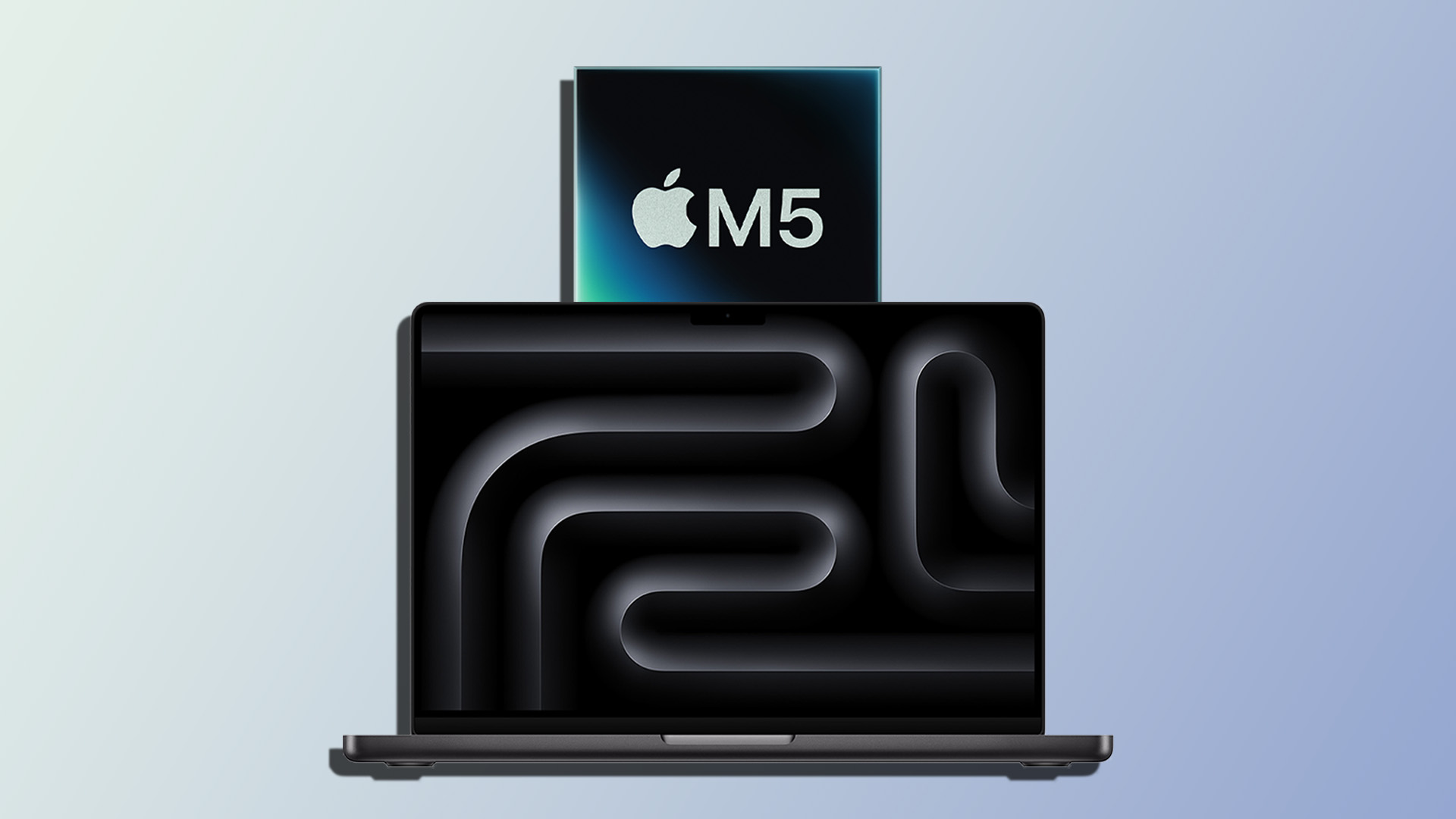
This iteration of the 14-inch MacBook Pro is not just another incremental update; it represents a deliberate rethinking of what constitutes value in a professional laptop. The M5 chip, already a benchmark-setter with its 8-core CPU and 10-core GPU, is now paired with storage options that challenge preconceived notions about cost and performance. The inclusion of a 1TB SSD in the base model, coupled with a $200 discount on one major platform, suggests Apple is prioritizing accessibility without compromising on speed or capacity.
Key specifications highlight this evolution
- A 14-inch Retina display with P3 wide color and True Tone technology, delivering industry-leading visual fidelity.
- The M5 chip, featuring up to an 8-core CPU for single-threaded performance gains and a 10-core GPU for advanced graphics processing.
- Unified memory options scaling up to 32GB, a notable increase from previous generations.
- A base storage configuration of 512GB, with the 1TB SSD variant now available at a discounted price of $1,799.
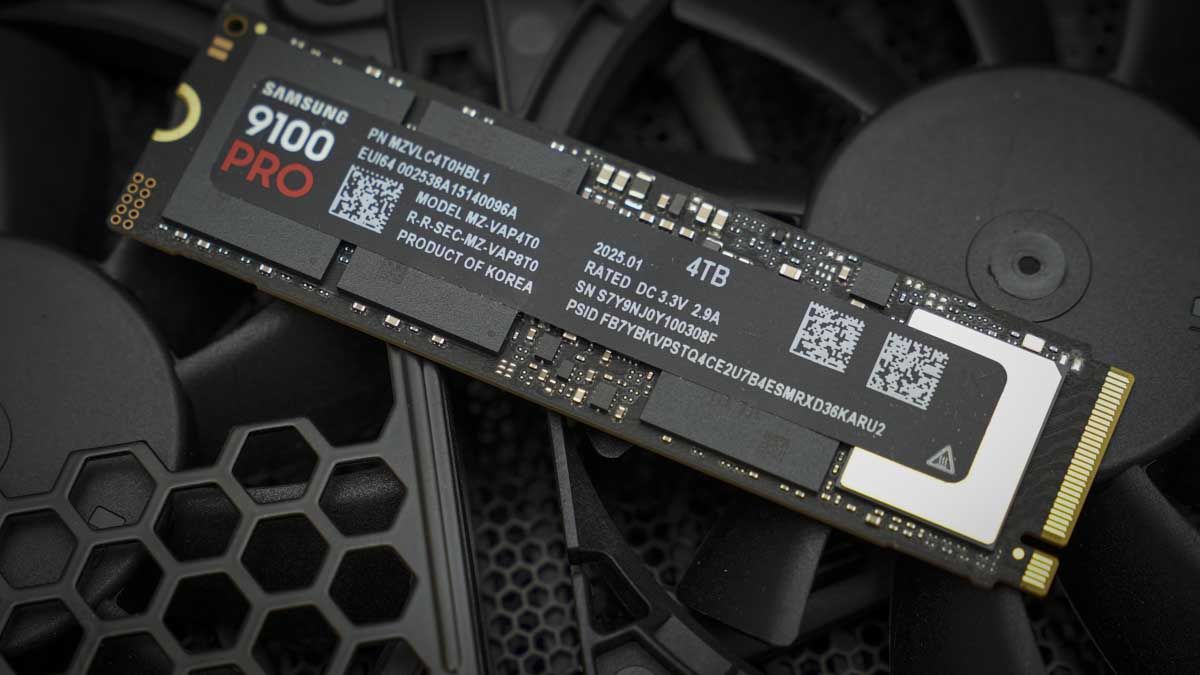
The discount on the 1TB SSD is particularly telling. Historically, Apple has been cautious about pricing adjustments, but this move indicates a broader industry trend where high-capacity storage is becoming more mainstream rather than a premium feature. For buyers, this means acquiring a machine with substantial storage without the usual price premium, potentially altering how they perceive value in laptops.
For IT departments and enterprises, this model introduces new dynamics in hardware procurement. The combination of the M5 chip’s performance and generous storage options means the base configuration now competes closely with what were previously mid-range or high-end models in terms of performance per dollar. This could accelerate a market consolidation, where the distinctions between tiers blur, and users demand more for less.
The implications extend beyond Apple’s ecosystem. If other manufacturers adopt similar strategies—leveraging economies of scale in SSD production to drive down costs—the entire laptop industry may see high-capacity storage become a standard expectation rather than a luxury. This could pressure competitors to rethink their own pricing models, potentially leading to more competitive offerings across the board.
For now, the base 14-inch M5 MacBook Pro stands as a case study in redefining value without sacrificing quality or performance. It offers users a powerful machine with ample storage at a price that was once reserved for higher-tier models, challenging the status quo. The long-term ripple effects remain uncertain, but one thing is clear: the boundaries of what constitutes a 'base' model are being redrawn, and the industry may never look the same again.