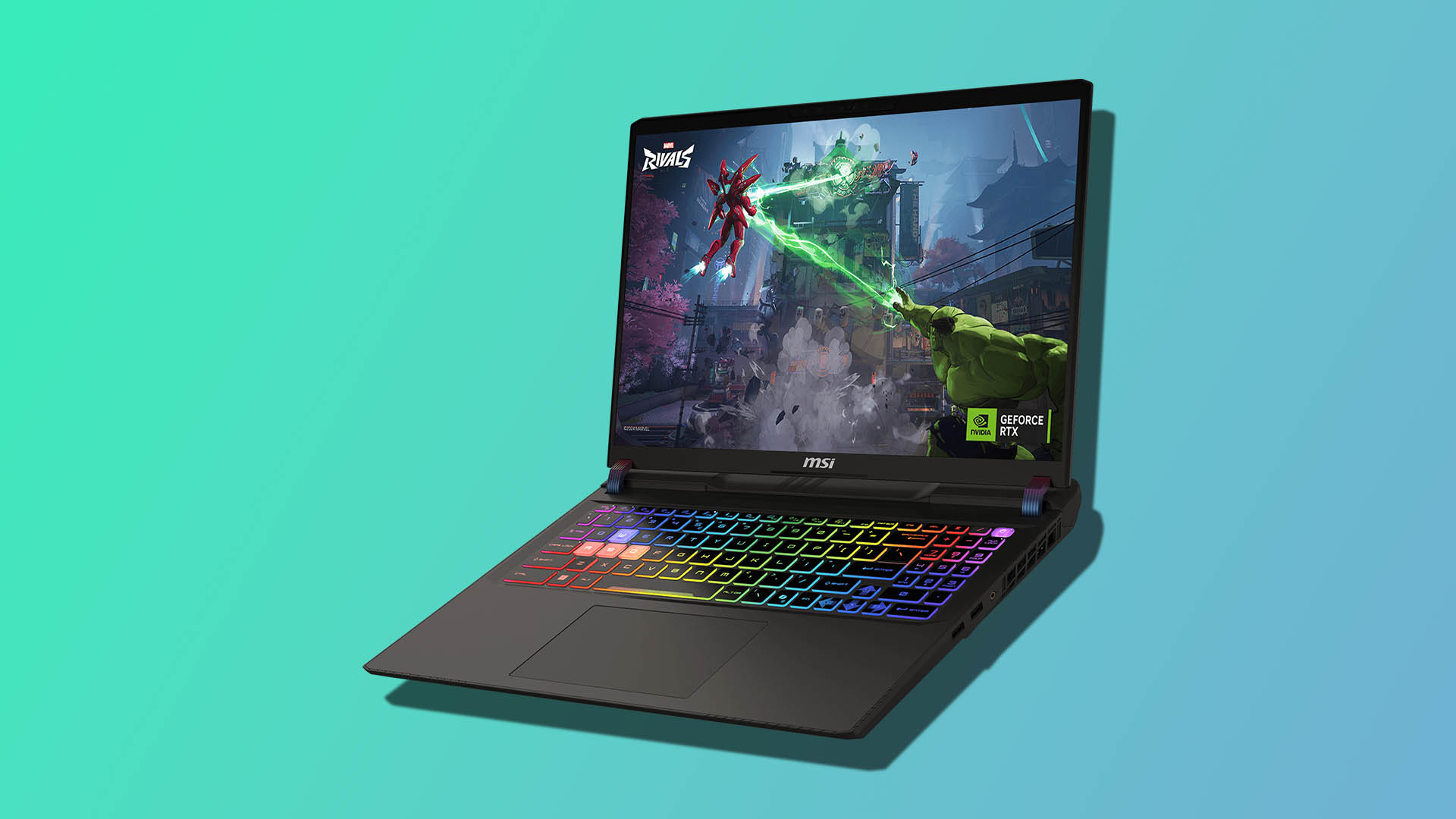
For decades, the ThinkPad has been the gold standard for business laptops: durable, predictable, and built to endure long days without breaking a sweat. Now, Lenovo is taking that formula into uncharted territory with a lineup that promises not just stability but also AI-accelerated performance—though how much of that promise will land in actual workstations remains an open question.
The latest ThinkPad and ThinkStation models mark a shift. They are no longer just about endurance; they now carry hardware designed to handle machine learning tasks, from faster CPUs to expanded RAM configurations. But whether this translates into meaningful productivity gains for IT teams—or if it’s just another layer of complexity—is where the story gets interesting.
Looking back, Lenovo’s approach to business computing has always been one of incremental improvement: better screens, longer battery life, more robust security. This refresh, however, feels like a pivot. The new models are not just faster; they are structured differently, with AI at the core of their design. That doesn’t necessarily mean every user will see a dramatic difference in daily tasks, but it does signal that Lenovo is betting on a future where even business laptops need to keep up with the demands of machine learning.
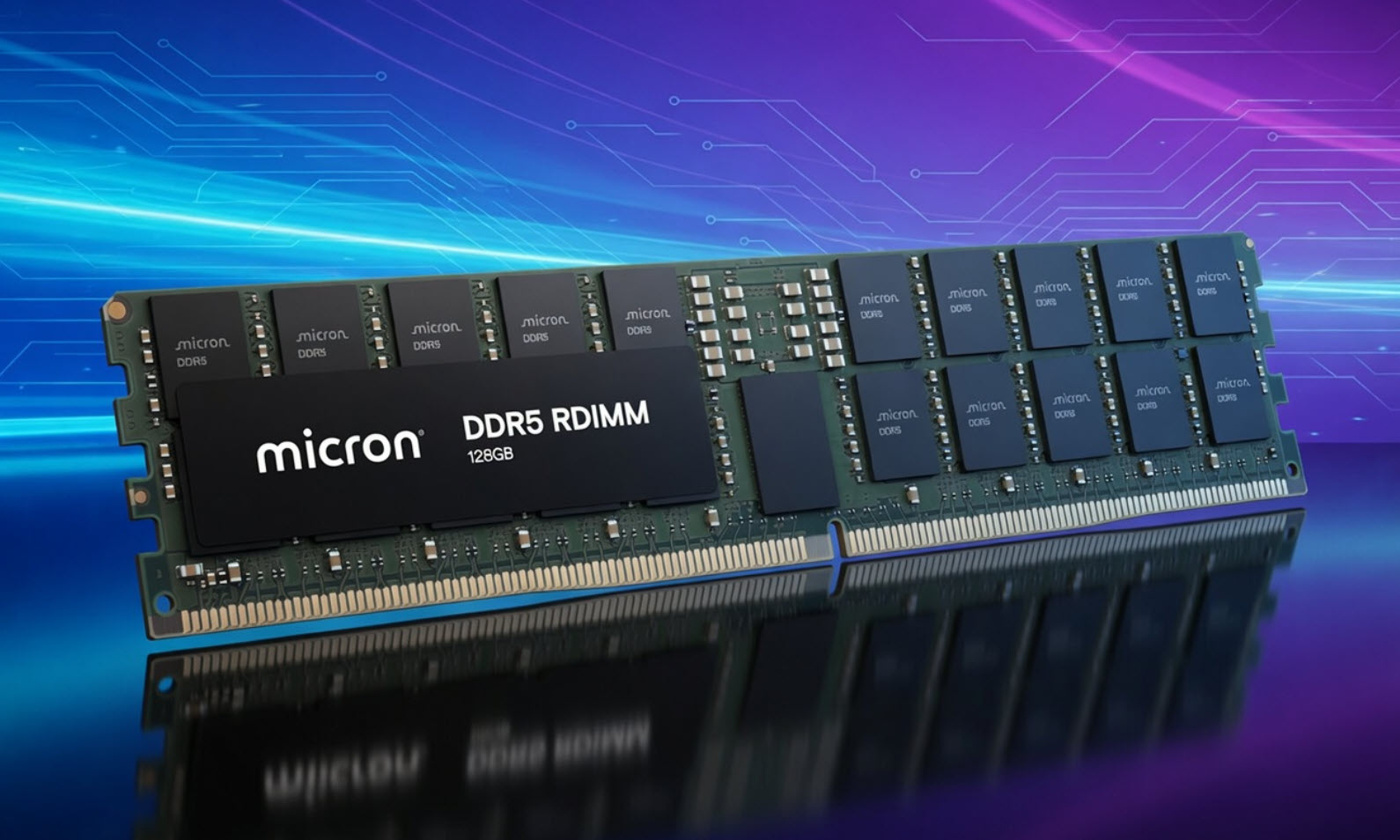
At the heart of this update are two key changes: performance and capability. The ThinkPad lineup now includes 12th Gen Intel Core processors, which deliver up to 30% faster single-threaded performance compared to previous generations. That’s a notable jump for tasks like data analysis or even basic coding, where responsiveness matters. But the bigger story is in the memory options. Models are now available with up to 64 GB of LPDDR5 RAM, a significant leap from the 32 GB maximum that was once considered more than enough. This isn’t just about multitasking; it’s about handling larger datasets and more complex workloads without slowing down.
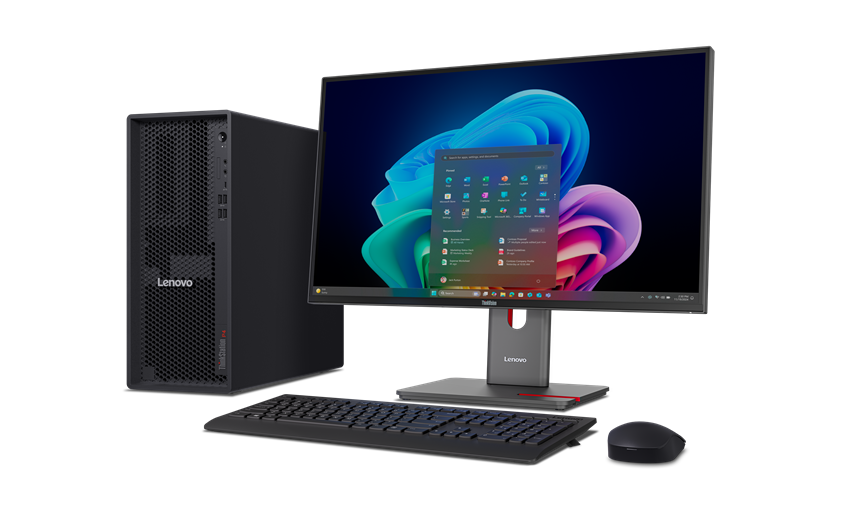
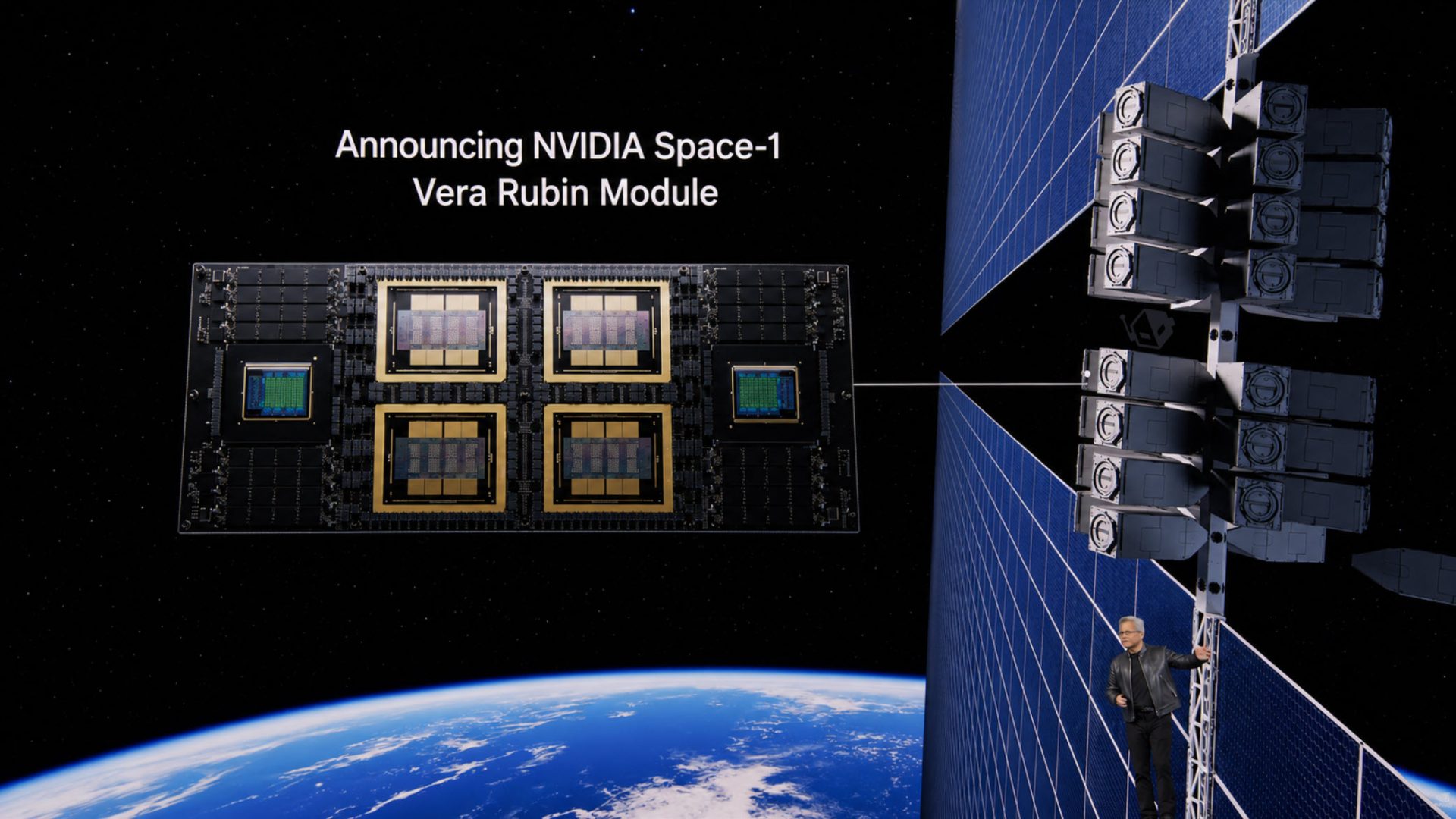
For workstations, the ThinkStation series takes this further. These machines are built for heavy lifting—rendering, simulation, or training deep learning models—and Lenovo is pushing them into new territory with dedicated hardware acceleration. The ThinkStation P620, for example, can now support up to two NVIDIA RTX 4090 GPUs, a configuration that blurs the line between workstation and high-end desktop. That kind of power isn’t just for specialists anymore; it’s becoming accessible to teams that need to process large volumes of data or run AI models locally rather than relying on cloud services.
But here’s where skepticism sets in. Hardware alone doesn’t guarantee productivity. The real test will be how well these AI capabilities integrate into existing workflows. A faster CPU and more RAM can speed up certain tasks, but machine learning still requires skilled users who know how to leverage those tools effectively. Lenovo isn’t just selling hardware; it’s selling a vision of what AI-enabled business computing could look like. Whether that vision pays off in tangible results—or if it’s just adding another layer of complexity—will depend on how IT teams adopt these changes.
The timeline for availability is clear: orders are expected to begin shipping in late August, with prices starting around $1,299 for the base ThinkPad models and scaling up from there. For workstations, the entry point is higher, reflecting the added capabilities—starting at $3,499 for the ThinkStation P620. That’s a significant investment, one that IT departments will weigh carefully against the need for AI-accelerated performance.
In the end, this refresh isn’t just about faster machines; it’s about redefining what business computing can do. Whether that redefinition leads to real-world gains or just adds another layer of capability without clear benefits remains to be seen. One thing is certain: Lenovo is staking its claim in a new era, and the rest of the industry will be watching closely.