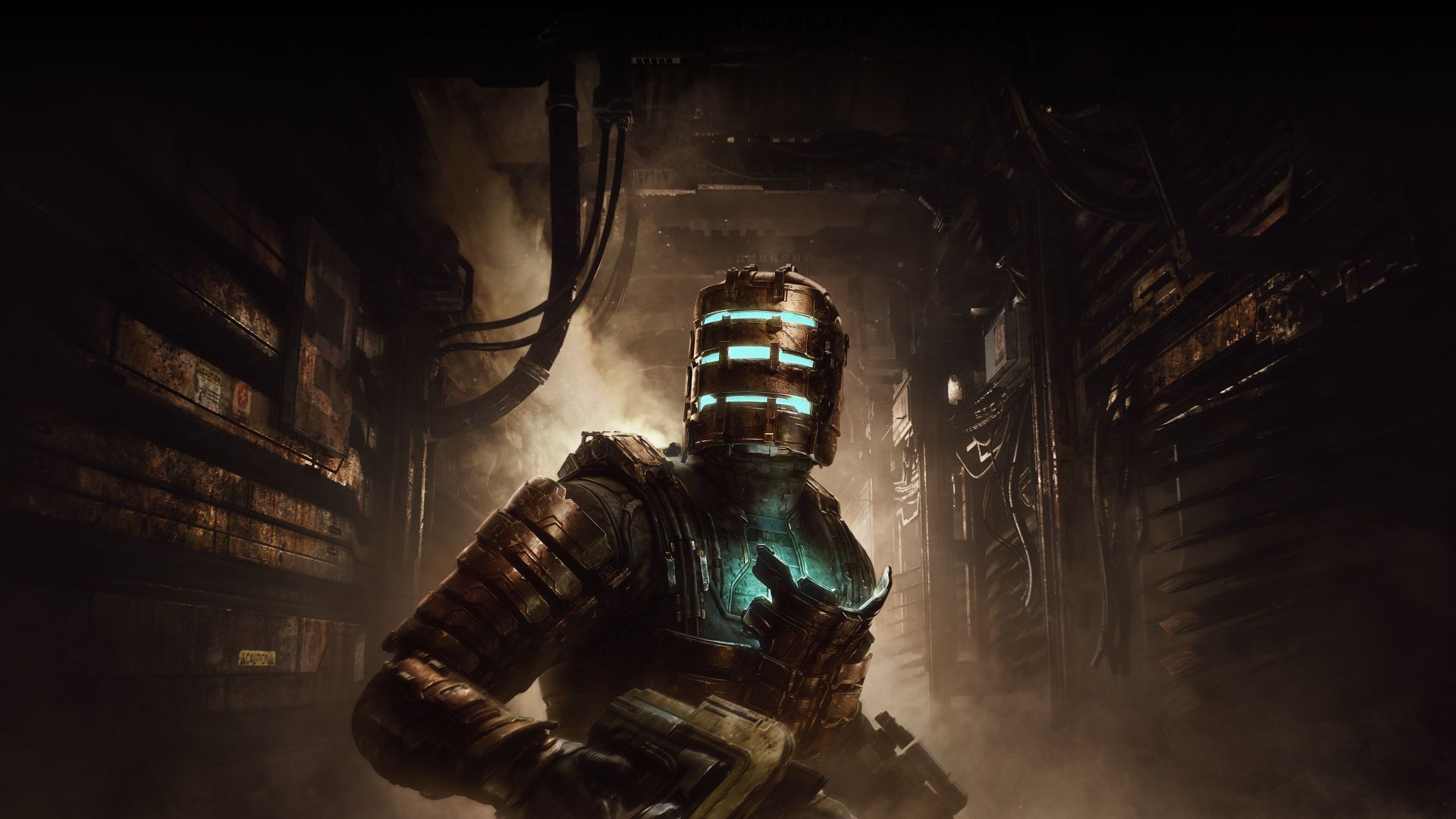
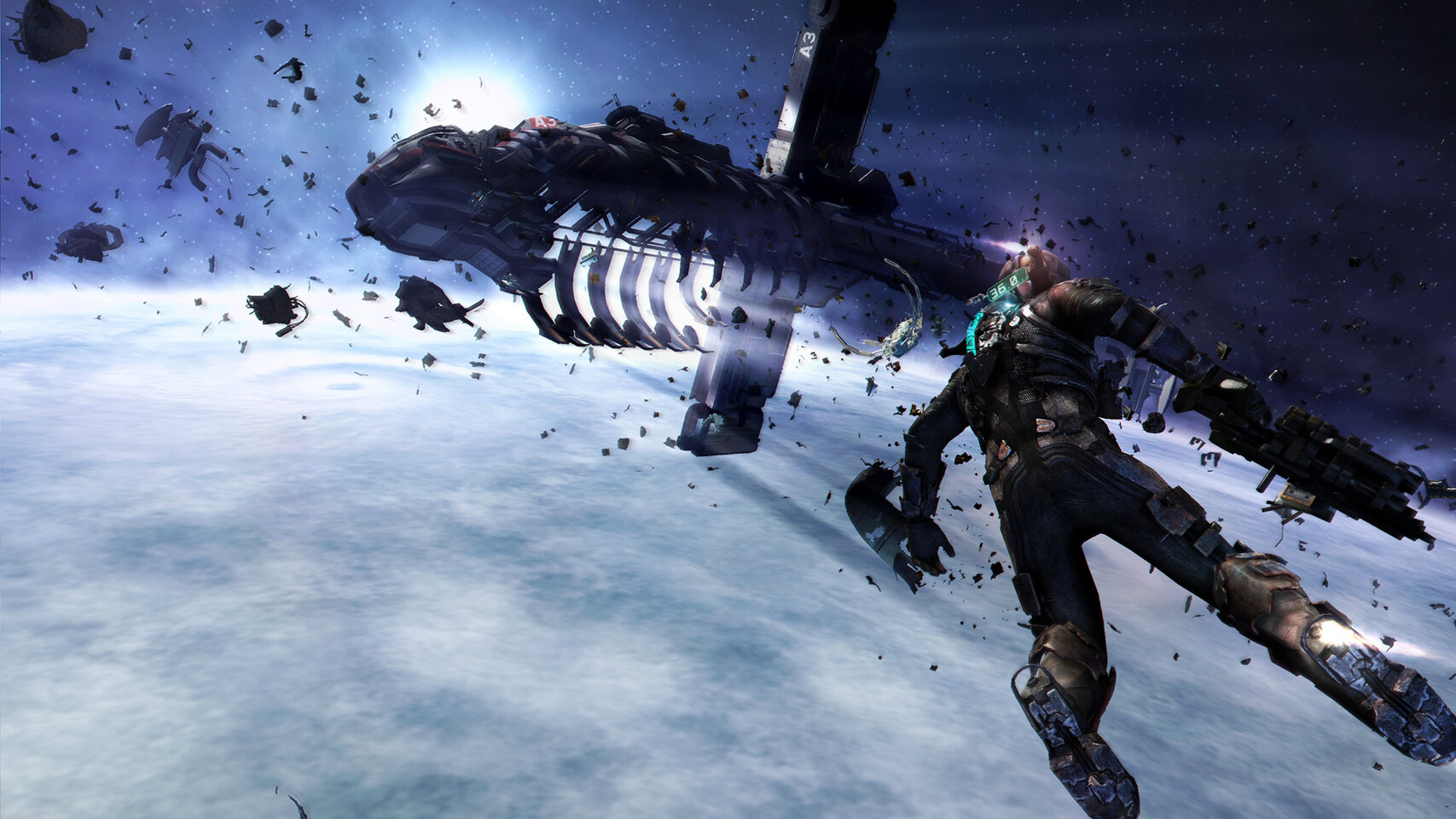
A sci-fi horror shooter with a budget that rivals AAA blockbusters would need to sell in excess of 15 million units just to break even today. That’s the stark reality facing Dead Space 4, according to insider accounts, as the franchise grapples with an industry that now prioritizes live-service models and perennial moneymakers over standalone experiences.
Dead Space has been a staple in gaming for decades, but its last installment came in 2013. Since then, the landscape has changed dramatically. Horror games, while still beloved by niche audiences, no longer carry the same weight they once did. Development costs have ballooned, and publishers are now chasing the next Fortnite or Genshin Impact—games that offer ongoing engagement rather than a one-and-done experience.
- Key Specs (Industry Context):
- Dead Space 4 would require 15 million units sold to justify its development costs, up from an estimated 5 million in previous generations.
- Modern horror games like Resident Evil: Requiem have set new benchmarks, with 6 million sales in just over two weeks, yet still fall short of the financial expectations set by live-service titles.
The shift away from traditional single-player experiences isn’t just about numbers—it’s a cultural change. Publishers are increasingly hesitant to greenlight projects that don’t offer recurring revenue, leaving franchises like Dead Space in a precarious position. While the series has a dedicated fanbase, the financial risks are too high for most studios to take on without a clear path to profitability.
For gamers, this means fewer chances to see beloved franchises return in their original form. The focus on live-service models and multiplayer-driven games leaves little room for the deep, narrative-driven horror experiences that Dead Space is known for. Unless the industry undergoes another significant shift, the days of standalone sci-fi shooters with the ambition of Dead Space may be numbered.