Intel’s long-awaited Panther Lake architecture made its debut at CES earlier this year, and the first real-world performance data for its flagship—Core Ultra X9 388H—has arrived. The results are striking: in multi-threaded workloads, the chip outperforms its predecessor, the Core Ultra 9 285H, by a full 10% and leaves the older Core Ultra 9 185H in the dust with a 29% lead. Single-core performance, however, tells a different story—barely budging over the 285H while still offering a 20% boost over the 185H.
These numbers come from PassMark benchmarks, where the X9 388H scored 37,904 points in multi-threaded tests—though inconsistencies in repeated runs suggest environmental factors may have played a role. One session even hit 40,523 points, a 7% jump over the average. For context, AMD’s Ryzen AI 9 HX Pro 470 trails behind with 36,591 points, reinforcing Intel’s claim of a generational leap.
But the real surprise lies in the integrated graphics. Intel’s iGPU, based on the Radeon RX 9070 architecture, has been benchmarked in *Cyberpunk 2077* and reportedly doubles the performance of AMD’s Strix Halo Radeon 890M—a chip already considered a leader in integrated graphics. Even with ray tracing enabled, Panther Lake’s iGPU holds its own, bridging the gap between AMD’s mid-range and high-end integrated solutions.
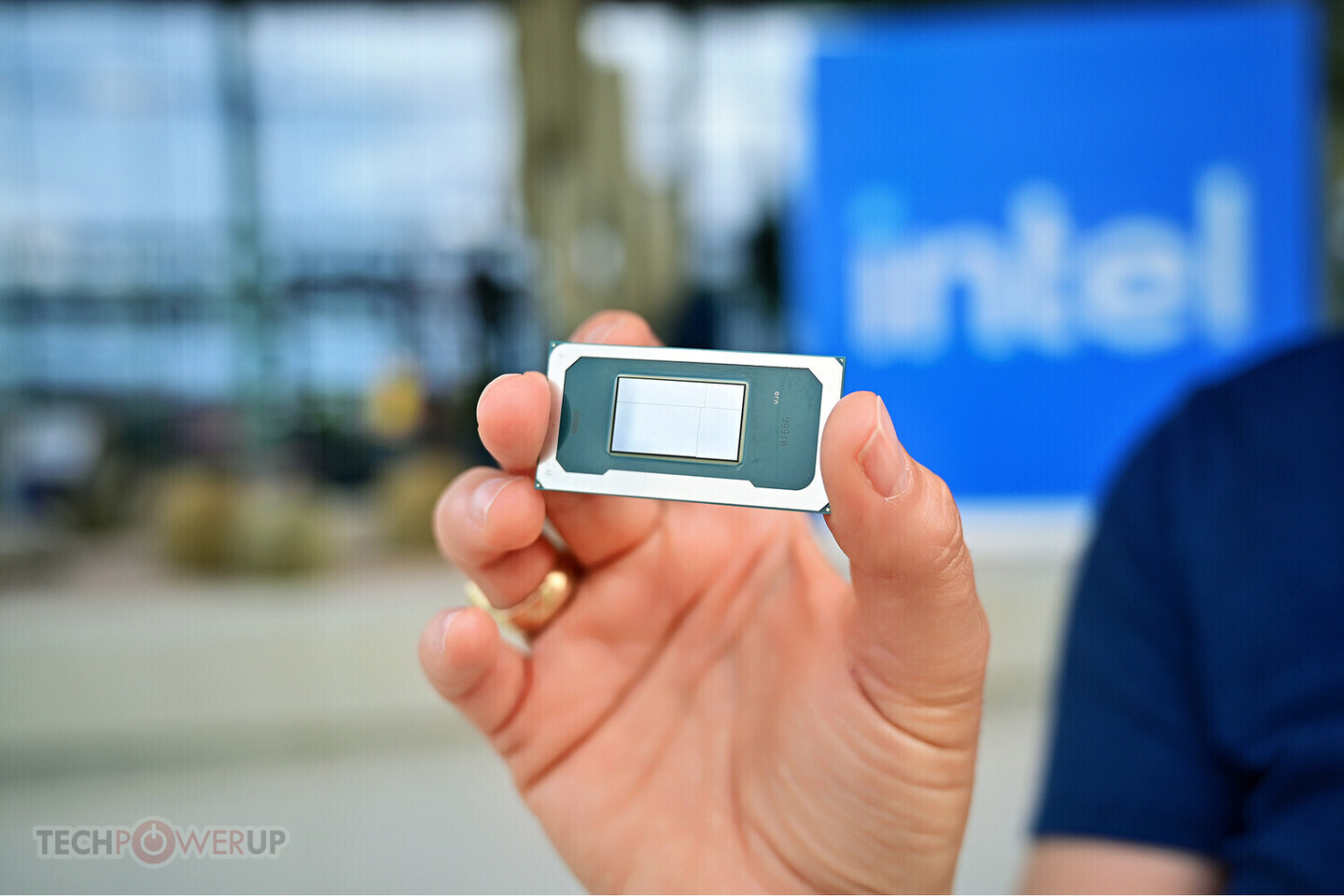
- Architecture: Intel Panther Lake (2 nm process)
- Core: Core Ultra X9 388H
- Predecessor: Core Ultra 9 285H (3 nm)
- Multi-thread PassMark: 37,904 (vs. 34,436 for 285H, +10%)
- Single-thread PassMark: 4,451 (vs. 4,400 for 285H, ~1%)
- iGPU: Radeon RX 9070-based (doubles AMD Strix Halo 890M in *Cyberpunk 2077*)
- Launch date: January 27, 2026
The performance gains are undeniable, but they come with caveats. The mid-range Core Ultra 300 series, announced last year, has yet to see meaningful benchmarks, leaving a gap in Intel’s Panther Lake narrative. Early tests from late 2025 suggested these chips might not deliver the same level of improvement, raising questions about whether the X9 388H’s dominance is an outlier.
For power users, the X9 388H’s multi-threaded strength could redefine productivity workloads—video editing, 3D rendering, and virtualization will see tangible speedups. Gamers, however, may find the single-core gains underwhelming unless paired with a dedicated GPU. The iGPU’s leap is a game-changer for budget laptops, though, offering near-discrete-level performance in entry-tier machines.
With laptops based on Panther Lake arriving next week, the full impact will soon be clear. But for now, Intel’s flagship sets a high bar—one that may redefine expectations for mobile computing in 2026.