For decades, open-world games have promised depth through procedural generation—randomly assembled towns, algorithmically crafted quests, and NPCs who, at best, repeat the same dialogue loops. *Fable*’s Albion shatters that paradigm. Here, every citizen is meticulously handcrafted, their lives woven into the fabric of the world with such precision that players can not only converse with them but also marry, parent, and even manage their careers. The scale of this ambition is staggering, and it forces a fundamental question: What happens when a game’s world becomes so alive that its own rules begin to blur?
The announcement arrives at a moment when player agency in games is under scrutiny. Titles like *The Witcher 3* and *Red Dead Redemption 2* proved that meaningful choices could shape narratives, but Albion takes that philosophy to an extreme. No NPC is a placeholder. Each has a profession, a home, a moral compass, and—most controversially—a romantic availability that extends to every single one of them. The developer confirms that players could, in theory, wed every inhabitant of Albion, though the logistical nightmare of such a feat is left deliberately ambiguous.
The game’s lead designer has emphasized that the team rejected procedural generation early on, opting instead for a labor-intensive process where every NPC’s name, appearance, personality, and even their family structure were handcrafted. This isn’t just about aesthetics; it’s about creating a world where relationships matter. Players can hire NPCs for work, fire them for incompetence, and witness the ripple effects of their decisions across Albion’s social hierarchy. A stable hand might become a blacksmith if you invest in their training. A baker could turn into a rival if you steal their spouse. The world reacts.
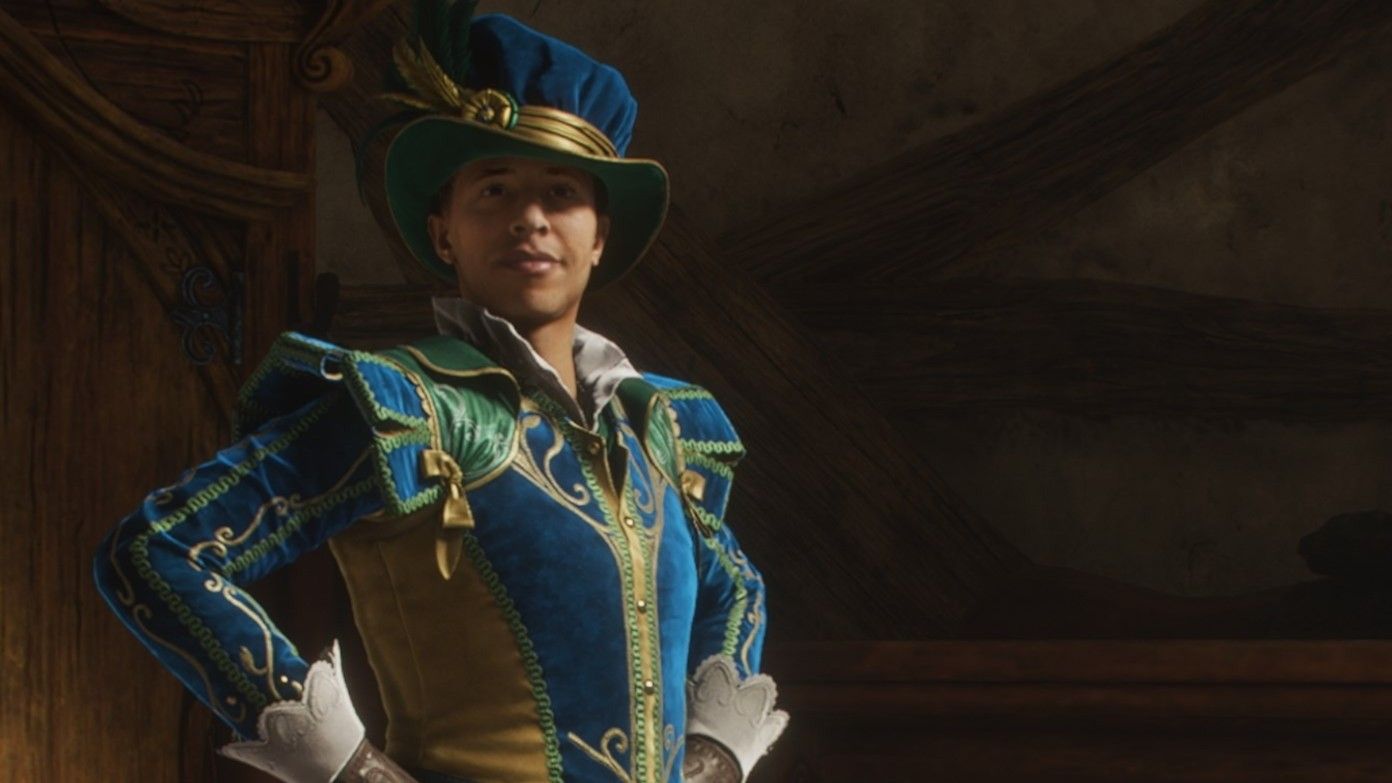
But the mechanics behind this system remain deliberately vague. Can a player truly maintain 1,000 simultaneous relationships? Would the game require separate save files for each marriage, or is this a theoretical fantasy that collapses under the weight of its own absurdity? The developer has hinted that the answer lies somewhere in the middle—practical enough to be functional, but flexible enough to allow for chaos. What’s clear is that Albion’s NPCs are not just tools for storytelling; they are active participants in a world where your actions have consequences that extend far beyond the main quest.
The implications for game design are profound. If *Fable* succeeds, it could redefine what an open world can be: not just a place to explore, but a living, breathing entity where every character has agency, where relationships are as dynamic as the player’s own choices. Yet if the mechanics prove cumbersome or the scale overwhelming, it risks becoming a curiosity—a world so rich in potential that it drowns in its own complexity.
The real test will come when players step into Albion. Will the world feel like a carefully curated museum of handcrafted personalities, or will it breathe with the unpredictability of a living society? One thing is certain: no other game has ever dared to make its NPCs this real. Whether that ambition pays off remains to be seen.
The full scope of *Fable*’s world will unfold later this year, but the foundation is already set. Albion isn’t just a setting—it’s a promise. And in a medium where player agency is often an illusion, that might just be the most radical idea yet.