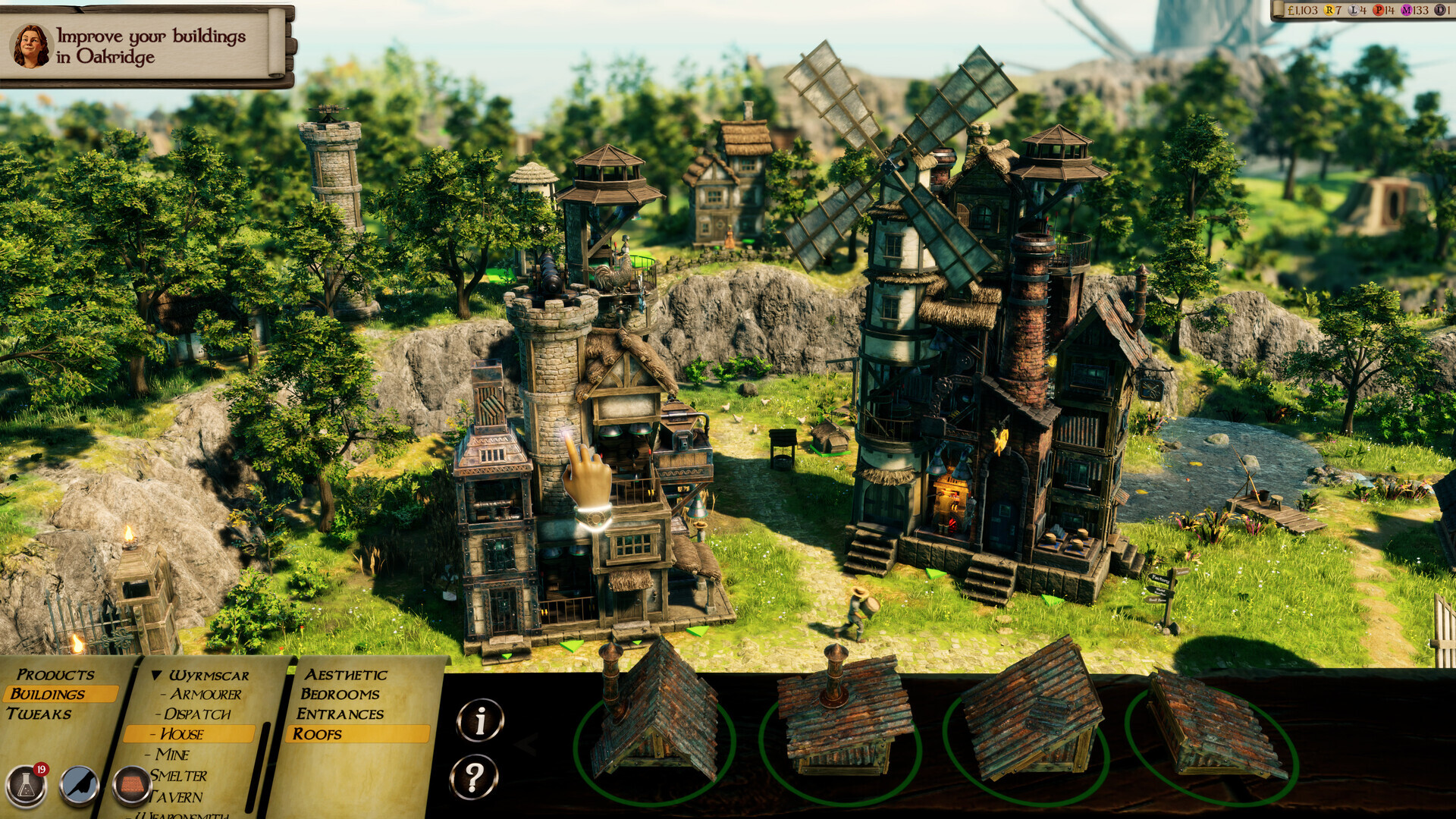
Intel’s latest GPU lineup is gaining traction in a high-profile title after a prolonged period of exclusion. The open-world fantasy game Crimson Desert, developed by Pearl Abyss, now officially boots on Intel Arc GPUs, including the recently announced Arc B770 based on RDNA 3 architecture. While full optimization remains a work in progress, this development represents a notable shift for Intel’s graphics division, which has faced scrutiny over adoption in major titles.
Intel has claimed it offered extensive support to Pearl Abyss over multiple generations of hardware, including Alchemist and Battlemage GPUs, as well as Meteor Lake and Lunar Lake integrated graphics. Despite these efforts, the game initially refused to launch on Arc GPUs, leaving millions of users without access. The situation has since improved, with Crimson Desert’s FAQ updated to reflect current support status, though developers have cautioned patience regarding performance optimizations.
This move comes as Intel continues to push its Arc platform forward, aiming for broader adoption in gaming. The company’s long-term roadmap includes Meteor Lake and Lunar Lake iGPUs, with Arrow Lake slated to follow. While Crimson Desert’s support is a positive step, questions remain about whether other developers will follow suit or if further challenges lie ahead.
What This Means for Users
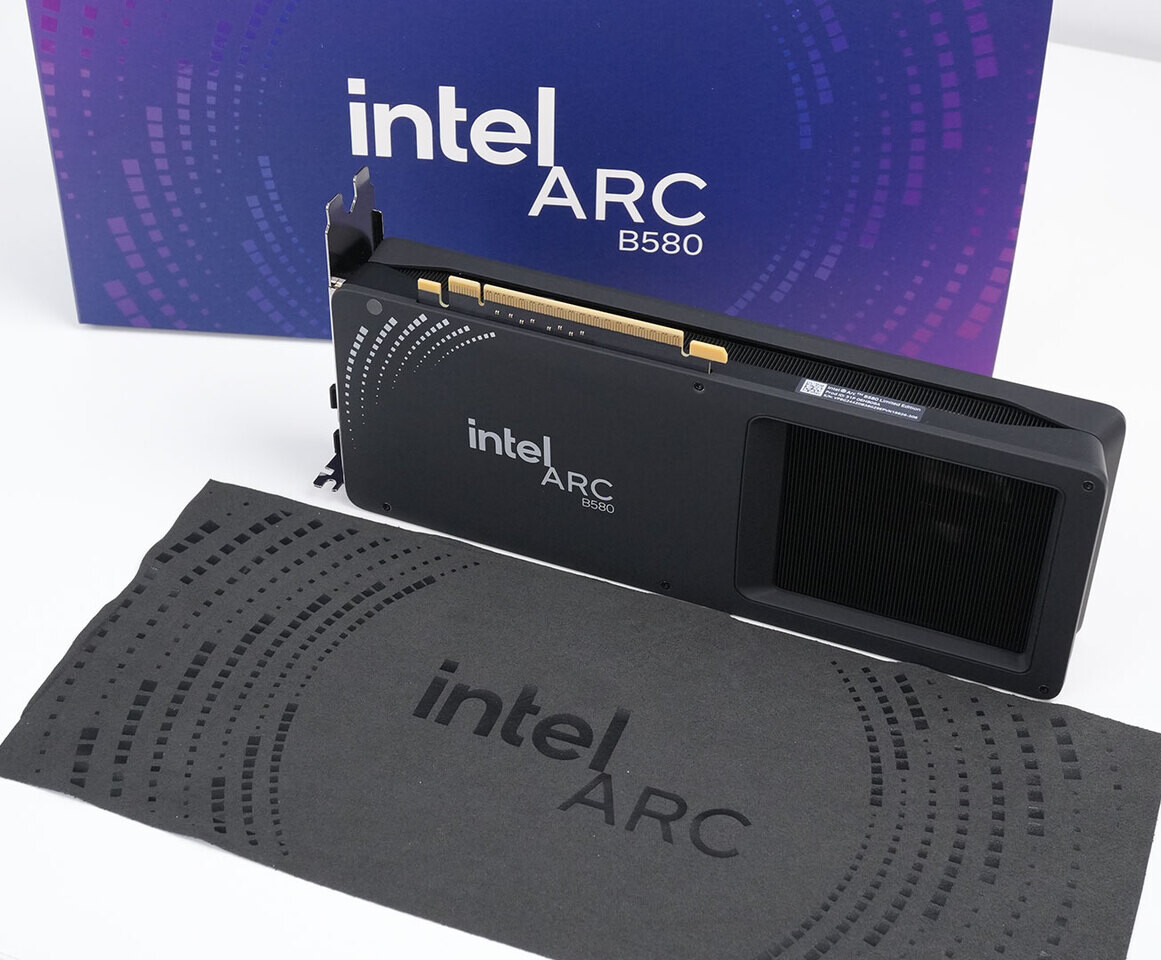
For power users invested in Intel Arc GPUs, the news represents both progress and a reality check. The game’s ability to boot on Arc hardware is a technical milestone, but full optimization—including frame rates, texture quality, and stability—is still pending. Developers have acknowledged past misunderstandings regarding support, suggesting that future updates may address these concerns.
Beyond Crimson Desert, Intel’s strategy hinges on whether it can secure similar support in other AAA titles. The company’s RDNA 3-based Arc B770, with its focus on efficiency and performance, is positioned to compete in a crowded market dominated by AMD and NVIDIA. However, the path forward remains uncertain, particularly as memory costs and API standardization continue to evolve.
For now, Crimson Desert users with Intel Arc GPUs can expect incremental improvements, but the full potential of RDNA 3 may not be realized until further optimizations are implemented. The game’s developer has emphasized patience, signaling that this is an ongoing process rather than a one-time fix.