Xbox’s calendar is about to get a notable addition: a new installment in the Gears series, slated to arrive between Halo and Fable. While no official date has been confirmed, the appearance of WWE as a sponsor suggests a late-summer or early-fall window—possibly September—could be on the horizon.
This isn’t just another franchise entry; it’s a strategic move that could reshape Xbox’s narrative in 2024. The Gears series has long been a cornerstone of Microsoft’s gaming lineup, and its return would signal a renewed focus on first-person shooters in an era where the genre is often overshadowed by open-world titles. But what does this mean for players? And how might WWE’s involvement influence the game’s direction?
The Gears series has always been known for its high-octane action, brutal combat, and rich lore. If this new entry follows that tradition, it would be a standout in Xbox’s lineup—a genre-defining title that could draw comparisons to Halo but with its own distinct identity. However, the challenge lies in execution: balancing the series’ signature intensity with modern design sensibilities without alienating long-time fans.
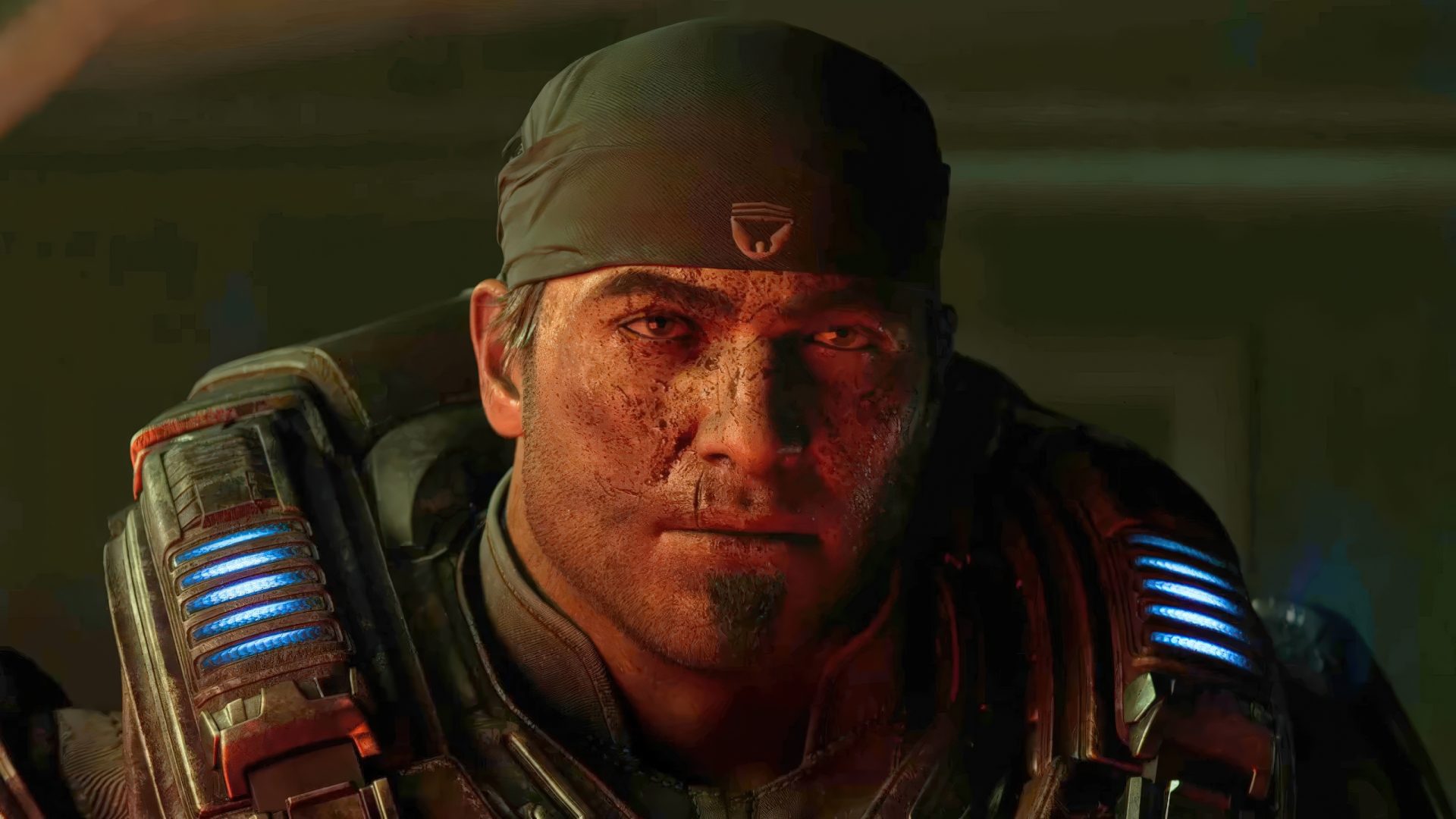
WWE’s sponsorship adds another layer of intrigue. The wrestling giant’s presence hints at a possible crossover or themed content, though details remain unclear. Whether this is purely a marketing play or a deeper integration into the game remains to be seen. For now, players can expect a high-profile title that promises both nostalgia and innovation.
- A new Gears of War entry is expected between Halo and Fable on Xbox.
- WWE’s sponsorship suggests a late-summer or early-fall release window, possibly September.
- The game could blend classic Gears action with modern design elements, but its reception will depend on how well it balances tradition and evolution.
For creators, this is an opportunity to revisit a beloved franchise while pushing boundaries. The stakes are high: if executed well, this could be a defining moment for Xbox’s 2024 lineup. But if it strays too far from its roots, it risks losing the fanbase that built Gears in the first place.
The bigger question is whether this move signals a broader shift in Xbox’s strategy—one that prioritizes genre diversity over just blockbuster open-world experiences. If so, players may see more surprises down the line.