For years, robot pool cleaners were dismissed as overhyped gadgets—expensive, noisy, and ultimately ineffective at maintaining a clean pool. The reality, however, is far more nuanced. While they don’t replace professional cleaning, modern models deliver surprising precision and efficiency, though not without trade-offs.
The misconception that these machines are little more than automated vacuum cleaners ignores their advanced navigation systems. Many now use intelligent path planning to cover pool surfaces systematically, adjusting for obstacles like ladders or deep ends. This isn’t just random movement; it’s a calculated approach that minimizes missed spots while avoiding collisions.
Yet, the idea that they can tackle every cleaning challenge is still widespread. For instance, heavy debris—leaves, twigs, or even small branches—can jam their mechanisms. Some models struggle with steep slopes or highly textured surfaces, like certain tile finishes, which can trap dirt and reduce suction efficiency. The result? A cleaner pool, but not always a spotless one.
Another persistent myth is that robot cleaners require constant human intervention. In practice, they’re designed for low-maintenance operation: weekly runs with minimal setup. Pre-filter cartridges do need occasional emptying, and some units lack strong enough suction to lift fine debris like pollen or algae without clogging. This means their effectiveness can dip in high-traffic pools or those prone to organic buildup.
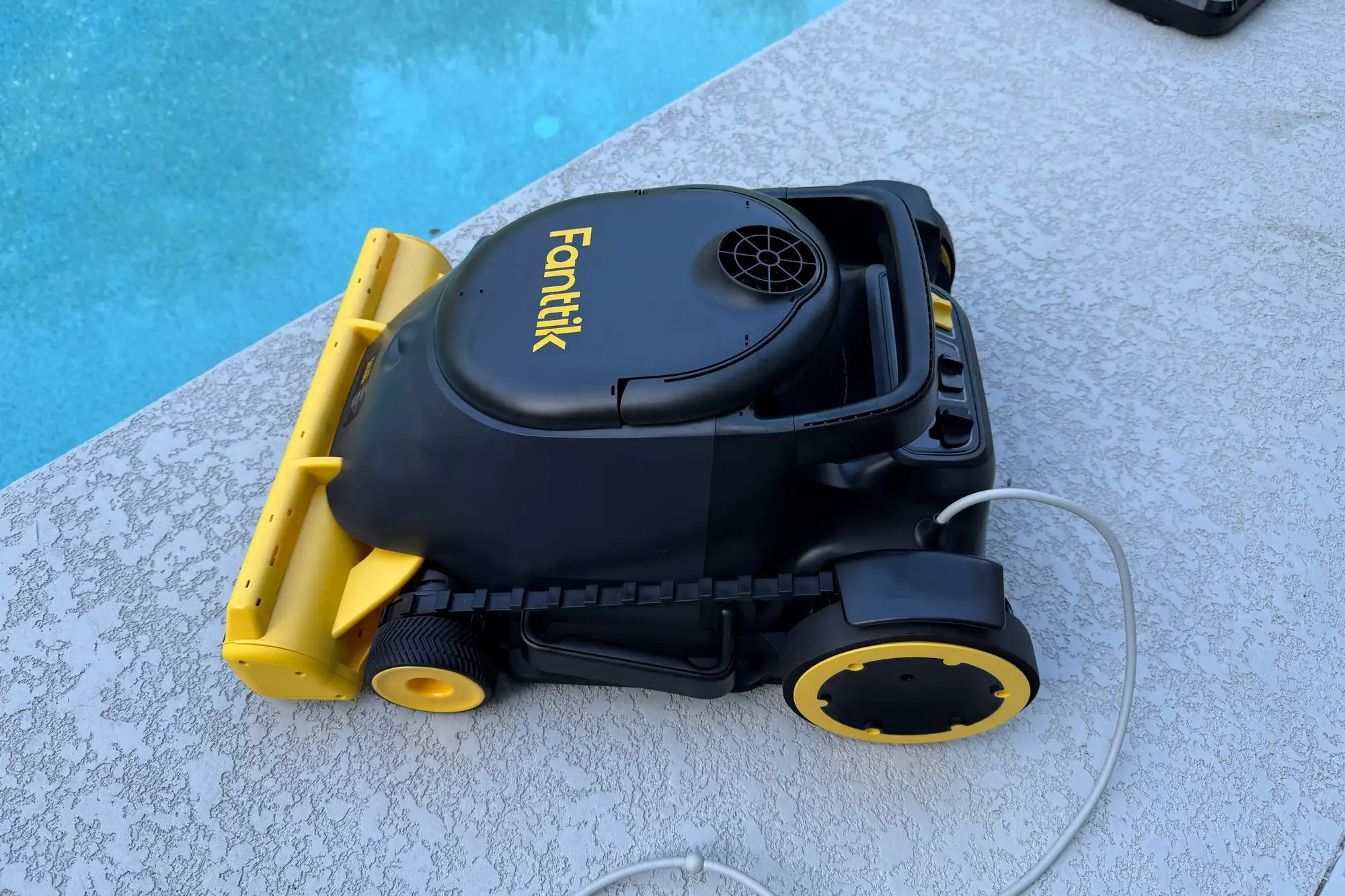
Perhaps the most surprising limitation is their performance in larger pools. While they excel at maintaining smaller residential pools, scaling up presents challenges. Larger surface areas mean longer run times, and some models lack the battery life or coverage algorithms to handle them efficiently without manual intervention. For those with bigger pools, a hybrid approach—combining robot cleaners with occasional professional servicing—often yields the best results.
On the flip side, robot cleaners shine in consistency. Unlike manual cleaning tools that vary in performance based on user skill, these machines deliver predictable results every time. Their ability to navigate complex pool shapes, including those with multiple levels or integrated spas, sets them apart from traditional vacuuming methods. This reliability extends to water chemistry; they don’t disrupt chemical balance like human cleaners might, making them a safer choice for pools with sensitive ecosystems.
The bottom line? Robot pool cleaners are more capable than their detractors assume, but their limitations are real. They’re ideal for regular maintenance in moderate-sized pools, especially when paired with occasional deep cleaning. For larger or more complex setups, their role is supportive rather than standalone. The key to avoiding disappointment lies in matching the cleaner’s specifications to the pool’s size and condition—without expecting miracles.