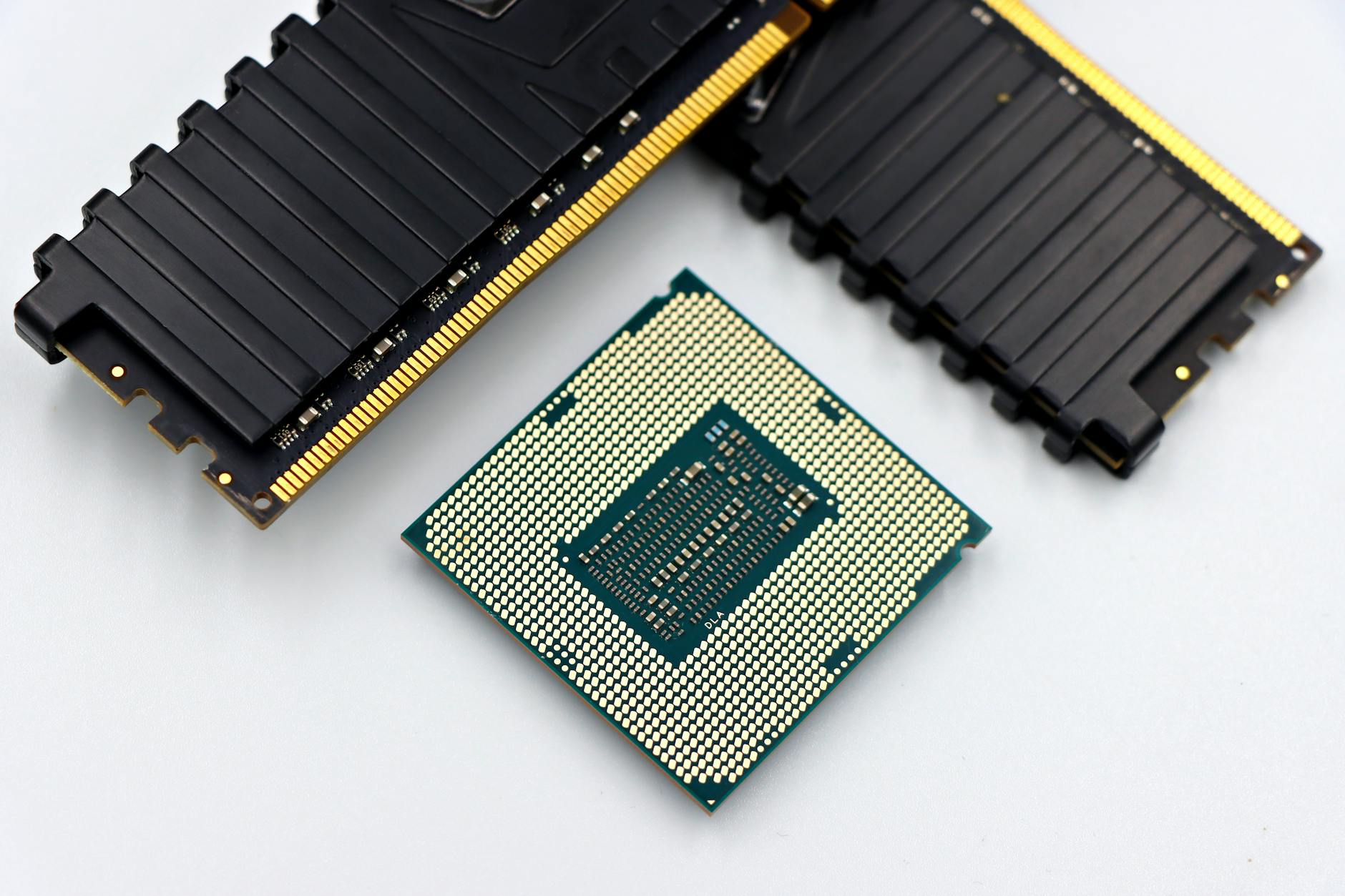
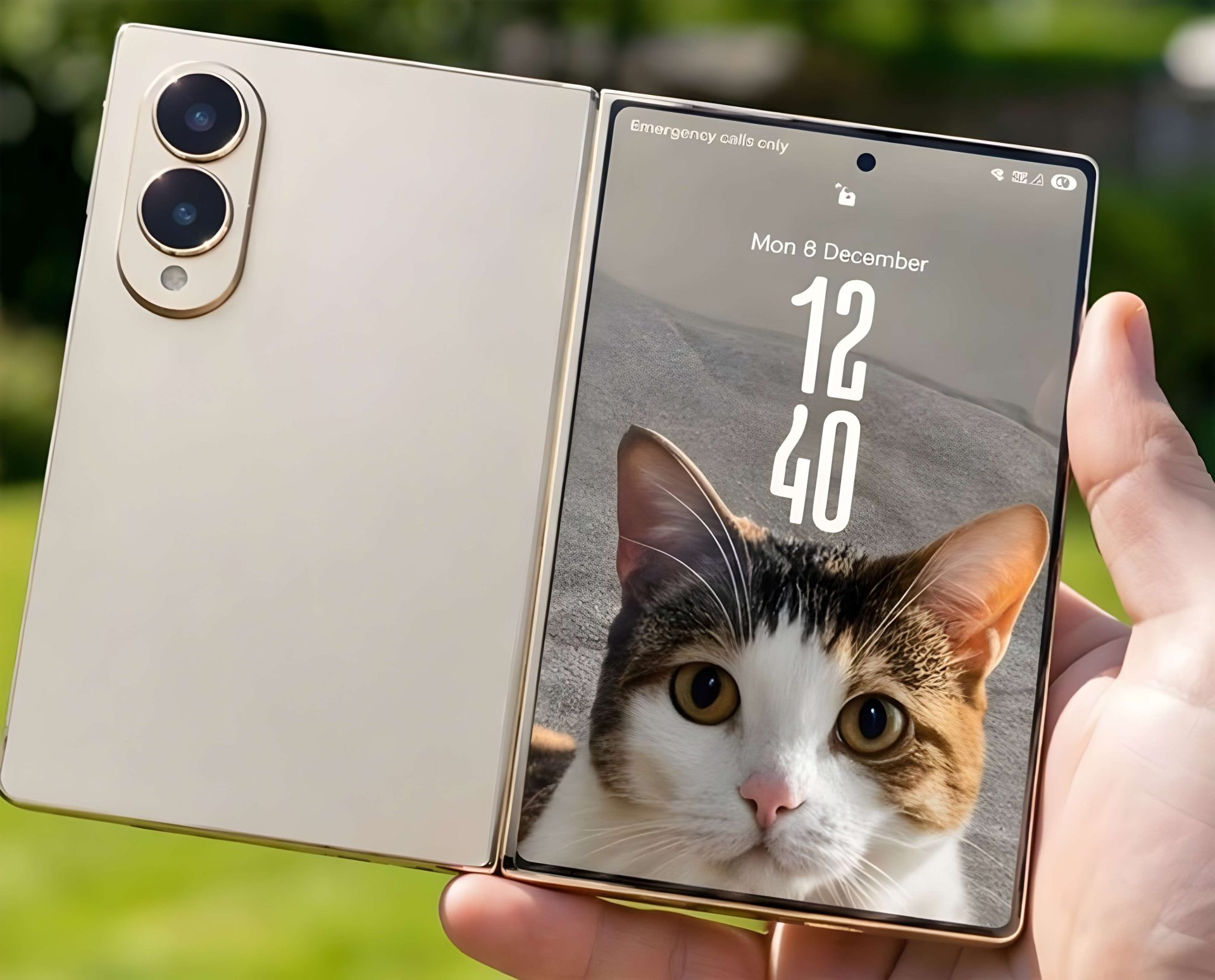
Huawei’s decision to adopt a logic-folding design for its Kirin chips marks more than just an incremental leap—it represents a paradigm shift in semiconductor architecture. By abandoning traditional grid-based layouts, Huawei aims to pack transistors more densely while maintaining or even improving performance metrics. The claimed 53% increase in transistor density and up to 12.7% higher clock speeds suggest a future where mobile processors operate with greater efficiency, but the real question is whether this approach can be sustained at scale.
Unlike conventional designs that rely on rigid rows and columns of transistors, logic folding introduces a more dynamic structure, allowing components to be arranged in a way that minimizes resistance and enhances signal integrity. This isn’t just about cramming more transistors into a die; it’s about optimizing their interactions to deliver better performance without sacrificing power efficiency. The potential implications for battery life and thermal management are significant, as a denser layout could lead to reduced heat generation—a critical factor in today’s high-performance mobile devices.
However, the path to widespread adoption isn’t without challenges. Logic folding requires a complete overhaul of design and manufacturing processes, from the tools used to lay out transistors to the precision of fabrication plants. Huawei’s ability to execute this transition smoothly will determine whether it can maintain its competitive edge or if competitors will quickly replicate the technology. The risk is that what could be a groundbreaking innovation might instead become just another fleeting advantage in an industry known for rapid evolution.
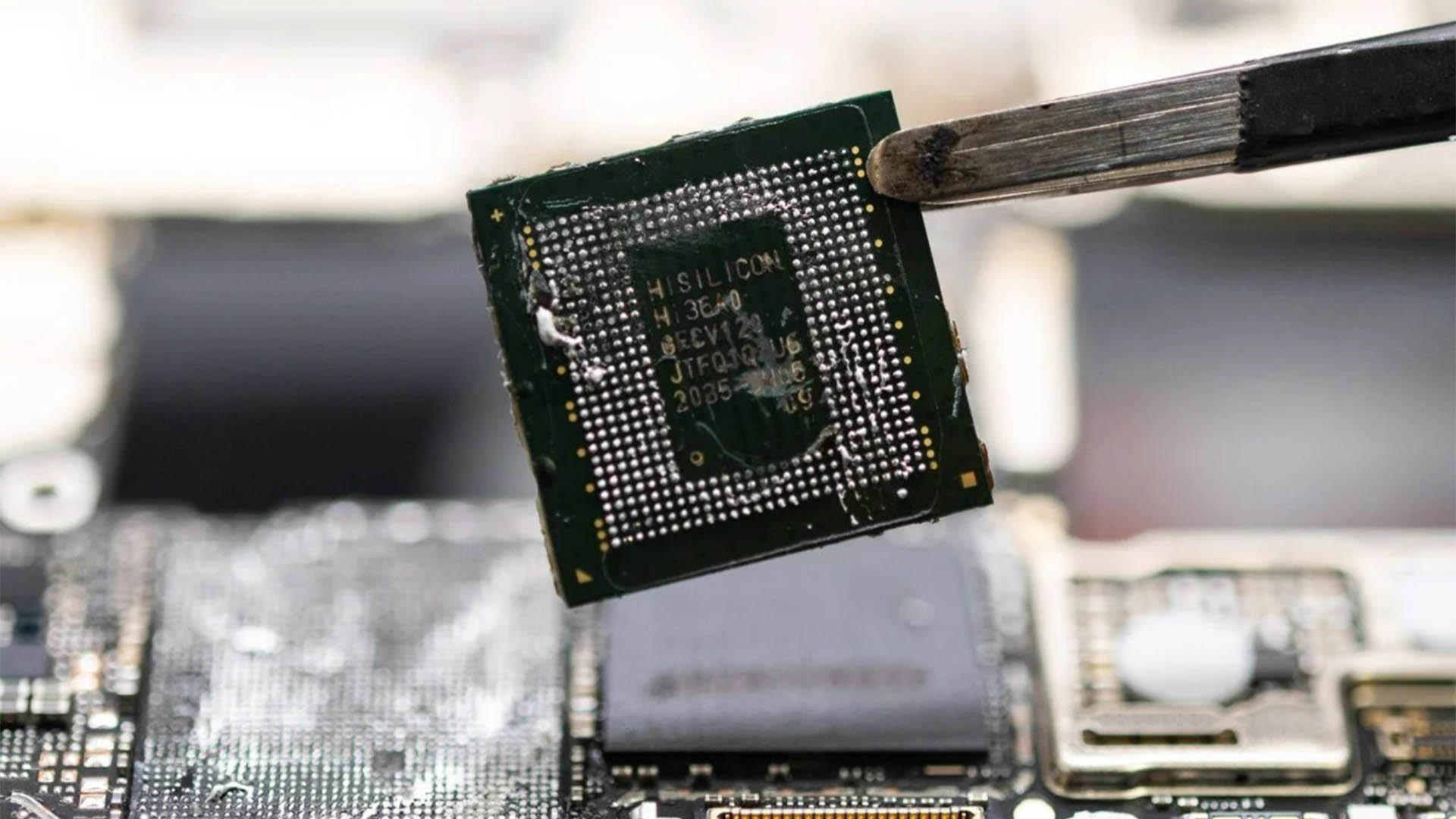
For end users, the benefits of logic folding could manifest in more efficient processors capable of handling demanding tasks with less power consumption. This would translate to longer battery life and smoother performance, particularly on devices running intensive applications like gaming or video editing. But achieving this balance between performance and efficiency won’t be straightforward. The industry will need to address potential bottlenecks, such as thermal management, to ensure that these gains don’t come at the cost of overheating or reduced reliability.
Looking ahead, the next generation of Kirin chips—expected later this year—will serve as a litmus test for Huawei’s vision. If the company can deliver on its promises without compromising stability or power efficiency, logic folding could set a new standard for mobile processors. On the other hand, if execution falls short, it may join the ranks of bold but ultimately unfulfilled claims in semiconductor innovation.
The broader industry will also be watching closely to see how this shift affects Huawei’s position in the global market. With supply chain dynamics becoming an increasingly complex factor, the company’s ability to navigate these challenges will shape its long-term success. Whether logic folding becomes a game-changer or merely another step in the evolution of mobile processing remains to be seen, but one thing is clear: Huawei is betting big on this technology, and the stakes couldn’t be higher.