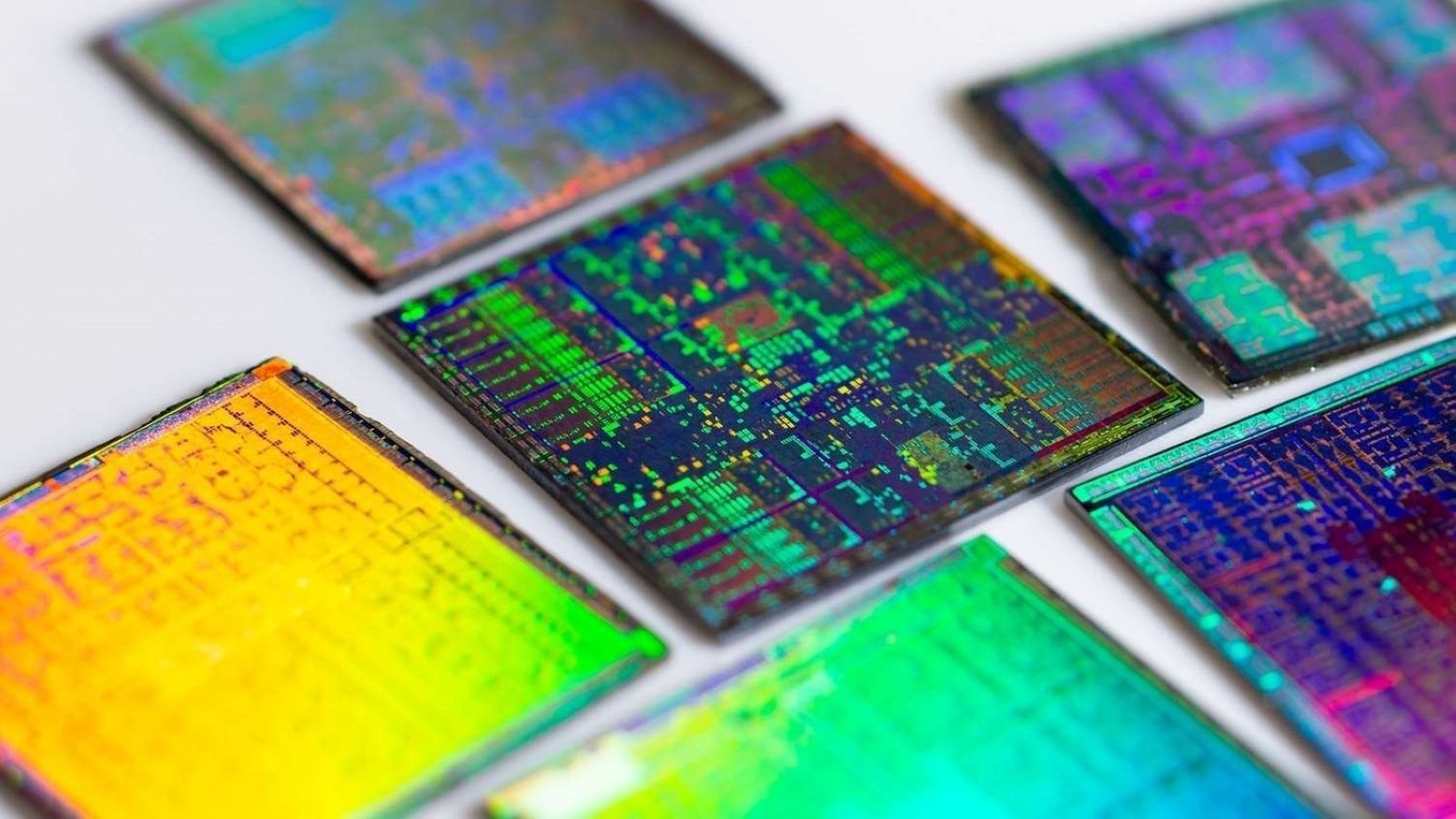
The Exynos 2700 represents a departure from traditional mobile processor design, prioritizing dynamic core allocation over sheer clock speeds. By integrating advanced efficiency cores with performance units, Samsung has aimed to reduce power consumption during idle tasks while maintaining high throughput under load. This shift could influence how other manufacturers approach thermal management in future devices, particularly as battery life remains a key differentiator in competitive markets.
Samsung’s decision to use its 5nm Enhanced Super Fin process for the Exynos 2700 reflects a long-term strategy to reduce reliance on external foundries. While TSMC continues to dominate advanced node production, Samsung’s ability to match performance metrics with minimal thermal degradation could encourage more OEMs to adopt in-house solutions. However, this approach carries risks: yield rates and manufacturing consistency remain critical factors that could limit widespread adoption if not addressed.
The chip’s impact extends beyond hardware, with potential consequences for software development. Samsung has emphasized optimized task distribution, which may reduce the need for aggressive thermal throttling—a common issue in high-performance chips. If this proves effective, it could reshape how mobile operating systems manage core allocation, potentially leading to more efficient power profiles across platforms. Competitors like Qualcomm will need to respond, either by refining their existing architectures or investing in similar adaptive technologies.
Looking ahead, the Exynos 2700’s role in the Galaxy S23 series serves as a litmus test for Samsung’s ambitions. If it delivers sustained performance gains without compromising reliability, it could shift market dynamics, pressuring TSMC to expedite its 3nm process and prompting Qualcomm to re-evaluate its dominance in the premium segment. Failure to meet expectations, however, would reinforce industry skepticism about Samsung’s ability to compete on both fabrication and innovation fronts.
Regardless of outcome, the Exynos 2700 underscores a broader trend: mobile processors are evolving beyond raw speed metrics toward smarter, more adaptive designs. Whether this becomes a permanent shift or a fleeting phase will depend on how quickly competitors adapt—and whether Samsung can sustain its momentum in an increasingly crowded field.