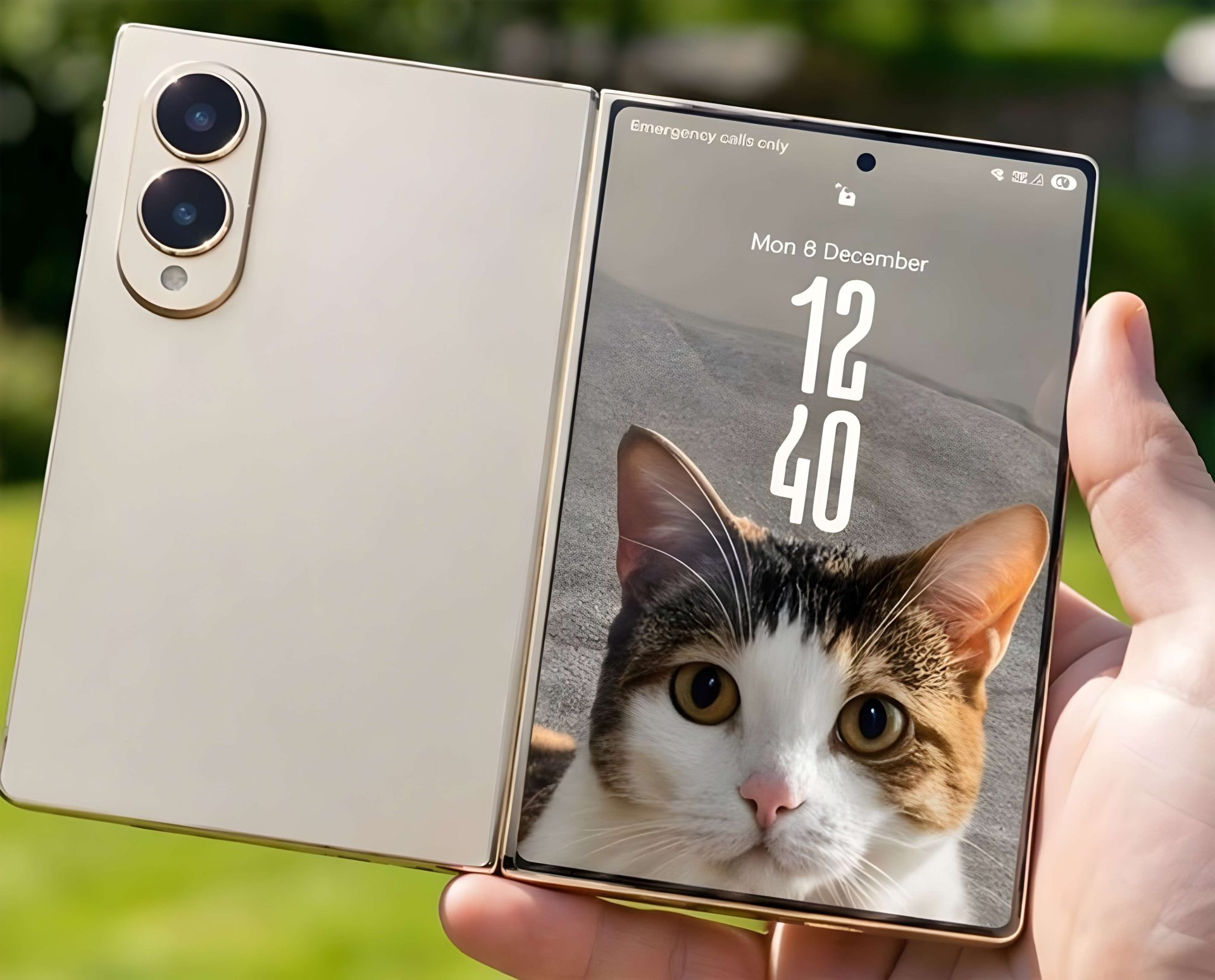
The Galaxy Z Fold 8 Ultra arrives as a technical marvel, yet its true worth lies in how those specifications translate into daily use. It’s not merely about raw numbers—it’s about how smoothly a 7.6-inch foldable display handles multitasking or whether the Snapdragon 8 Gen 3 for Galaxy chipset makes a noticeable difference when switching between apps.
On paper, Samsung has pushed boundaries with this iteration. The device introduces a new 120Hz LTPO OLED main screen and a 120Hz cover display, both with adaptive refresh rates that promise battery efficiency without sacrificing smoothness. Yet, the real test is whether these improvements feel tangible to users who demand both productivity and entertainment in one compact form factor.
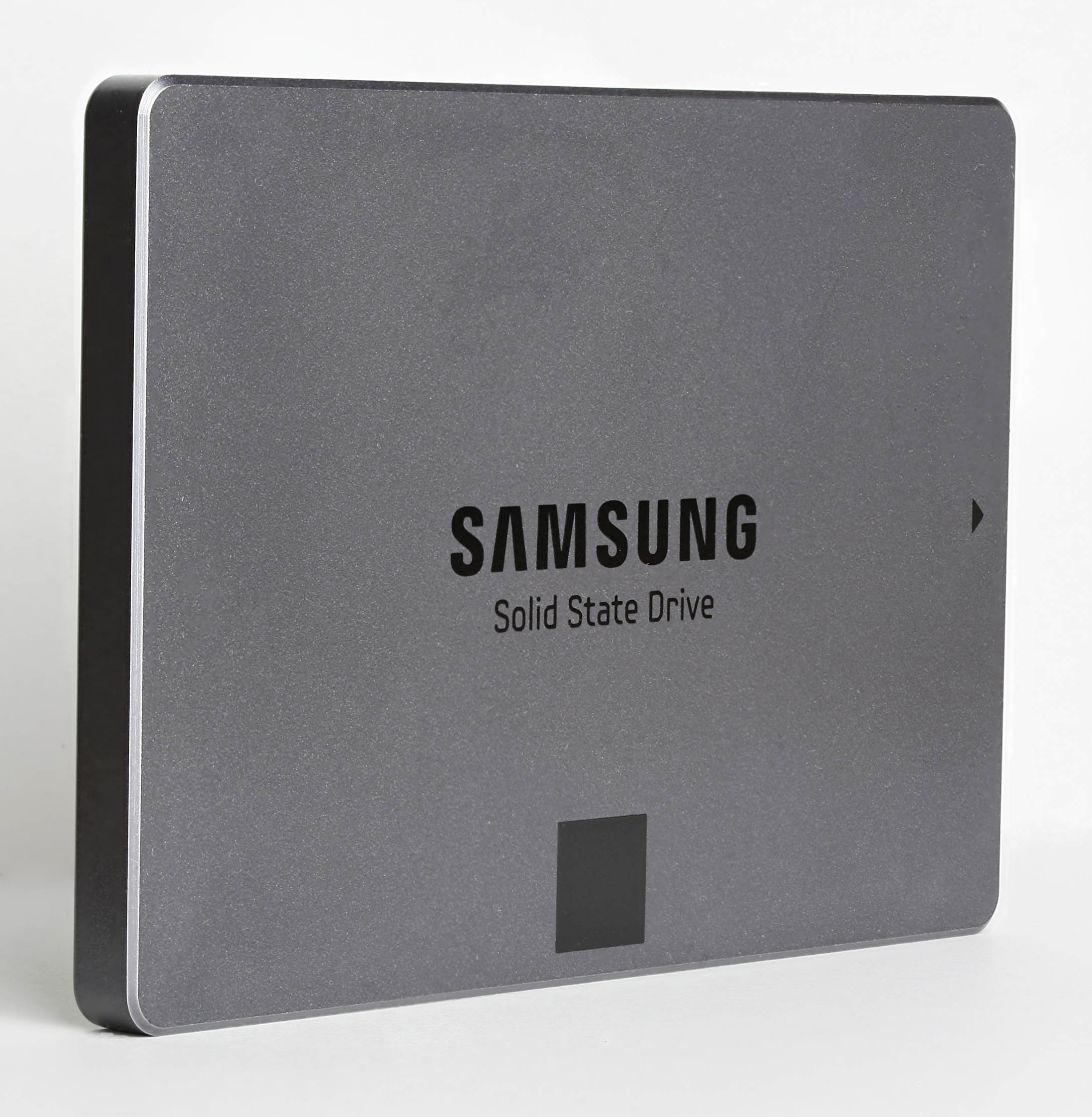
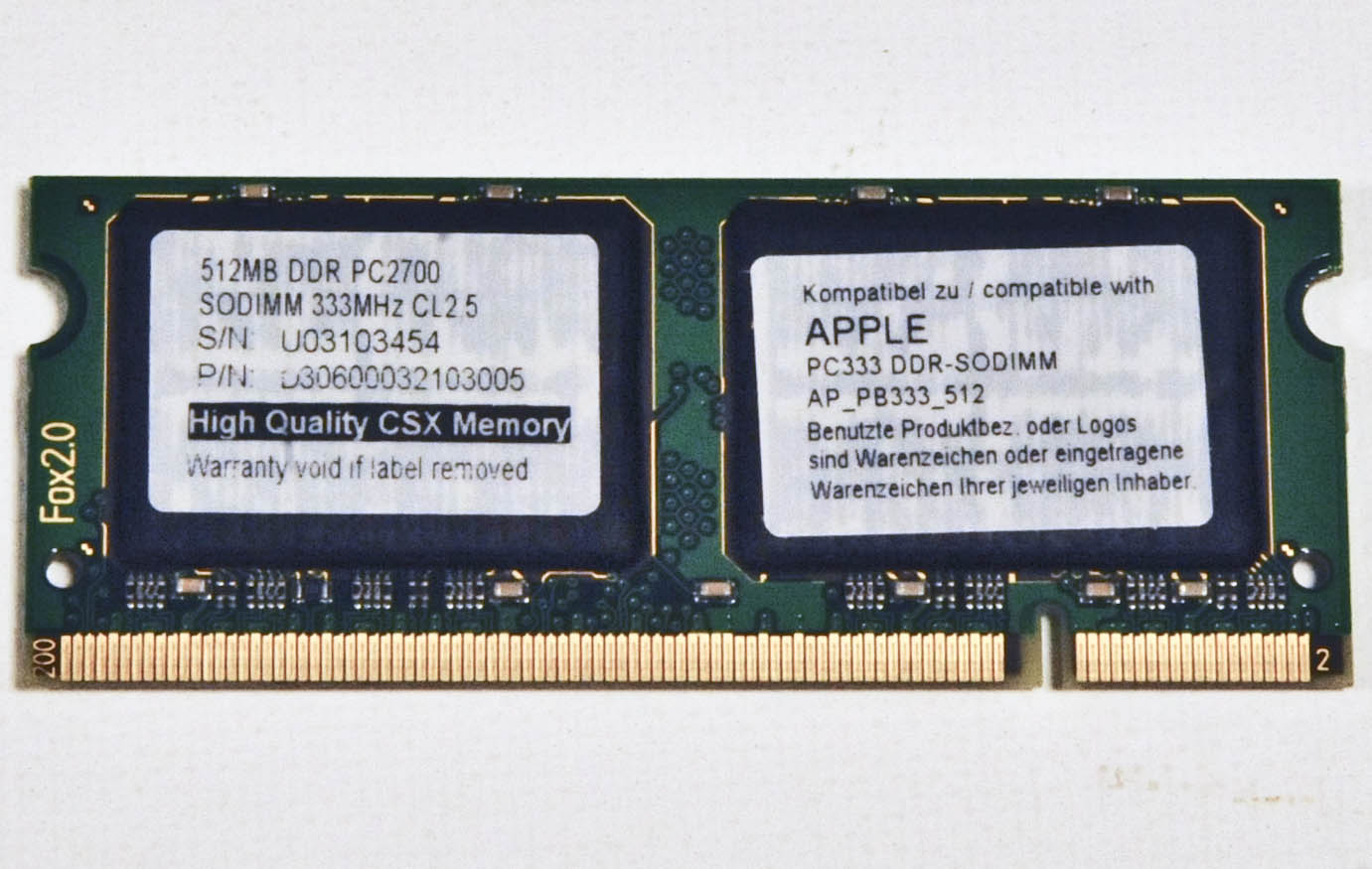
Under the hood, the Fold 8 Ultra moves to a 12GB LPDDR5X RAM configuration—a notable bump from previous models—paired with up to 1TB of UFS 4.0 storage. While this aligns it with other flagship devices in terms of memory capacity, the question is whether power users will see meaningful performance gains or if this simply future-proofs the device for years to come.
Battery life remains a critical factor, especially for foldables that rely on high-resolution displays and powerful processors. The Fold 8 Ultra packs a 4,400mAh battery with adaptive charging, but whether it can sustain all-day productivity without frequent top-ups is still unconfirmed. For users who prioritize portability over raw power, this could be the most significant tradeoff.
Looking ahead, the Galaxy Z Fold 8 Ultra positions itself as a stepping stone toward even more capable foldable devices. While it may not redefine expectations today, its specifications suggest Samsung is laying the groundwork for a future where foldables become mainstream compute tools—provided they can balance power with practicality.