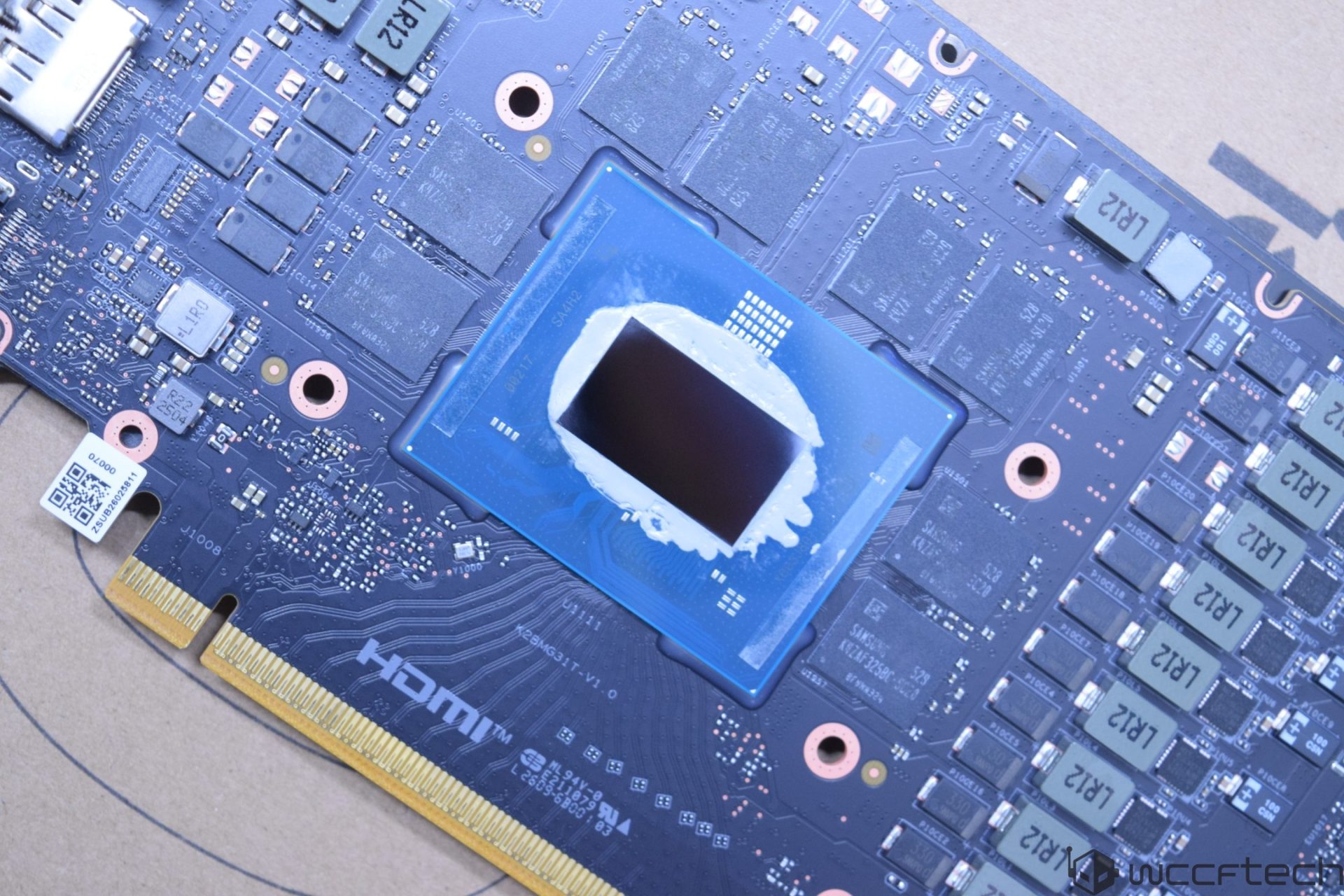
The Galaxy S26 Ultra represents more than just incremental upgrades—it signals a deliberate shift in how Samsung approaches thermal management and serviceability in its premium devices. The device leverages graphite films and thermal paste to distribute heat more effectively, particularly around the Snapdragon 8 Elite Gen 5 chipset, storage, and DRAM. This method reduces the need for bulky heatsinks while maintaining performance during demanding tasks.
One of the most practical improvements is in battery replacement. Samsung has introduced clearly labeled pull tabs that make the process more straightforward for technicians, a feature that addresses a common pain point with previous models. While the vapor chamber remains the same size as its predecessor, the overall design feels more refined, suggesting a balance between innovation and practicality.
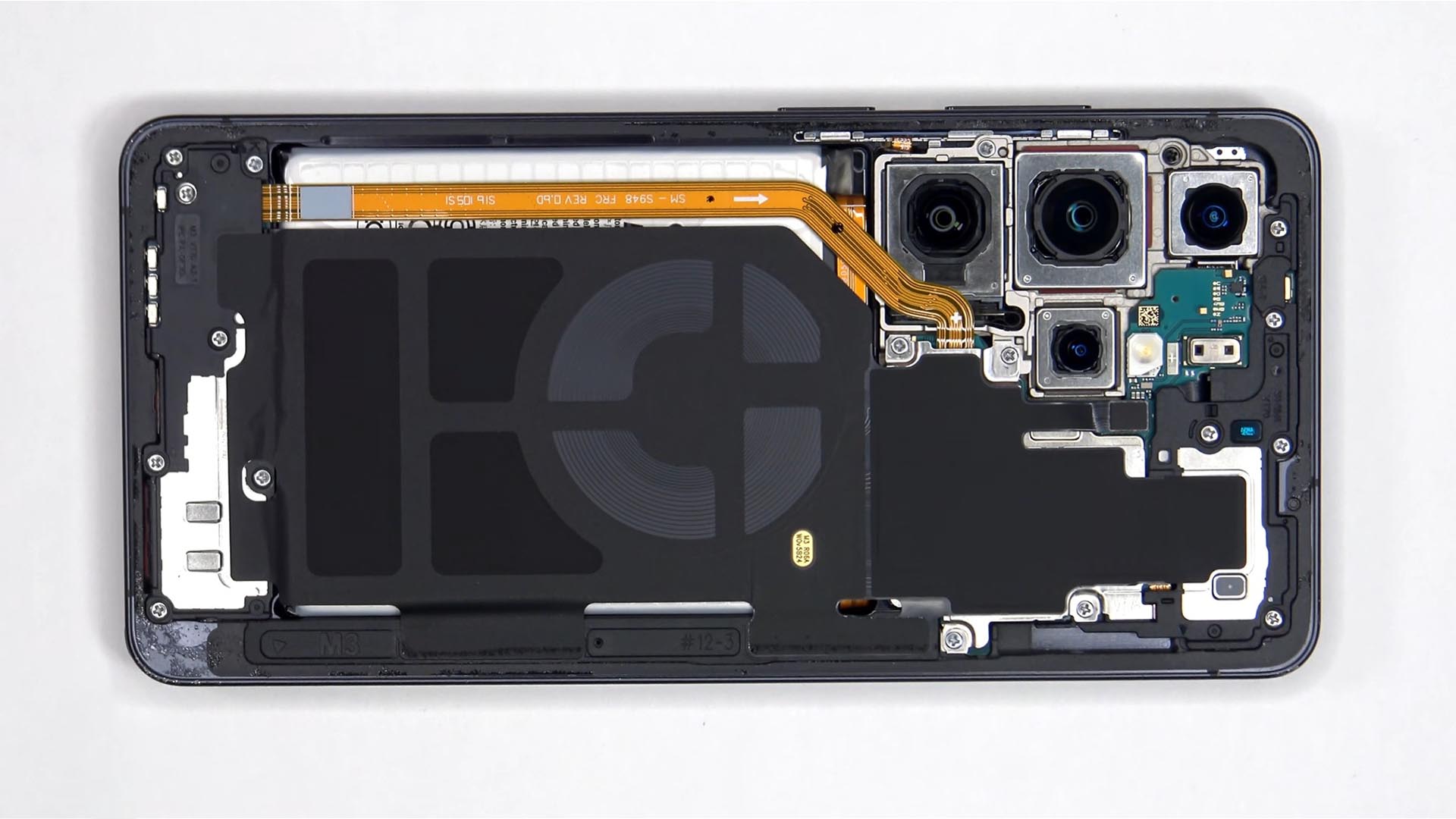
- Thermal Management:
- - Graphite films integrated into wireless charging coils and logic boards for better heat dispersion
- - Thermal paste applied between the motherboard back and frame to enhance cooling efficiency
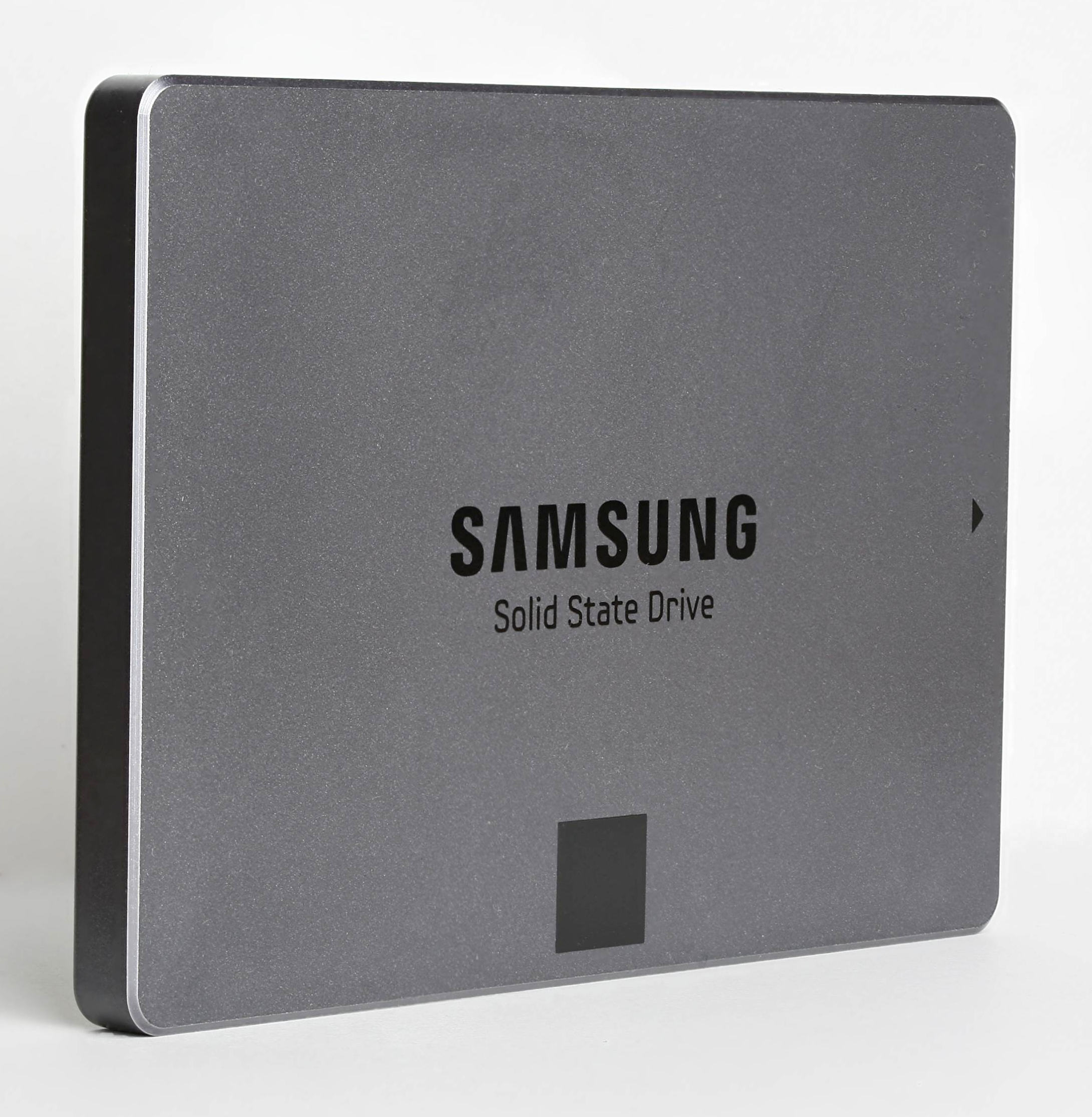
- - Storage and DRAM chips now use thermal paste, reducing dependency on copper heatsinks
- Battery Replacement:
- - Pull tabs clearly marked for easier battery access
- - Vapor chamber size unchanged from Galaxy S25 Ultra, indicating measured improvements rather than radical redesigns
The transition away from Heat Pass Blocks (HPBs) in favor of lighter materials like graphite and paste is a notable departure from past designs. This approach not only trims down the device’s bulk but also offers engineers a more flexible platform for thermal tuning, potentially reducing throttling during sustained workloads.
For users and technicians alike, these changes translate to fewer headaches in both daily use and maintenance. The Galaxy S26 Ultra maintains its premium build quality while making meaningful strides toward better serviceability—a rare combination that could set a new benchmark for future flagships.