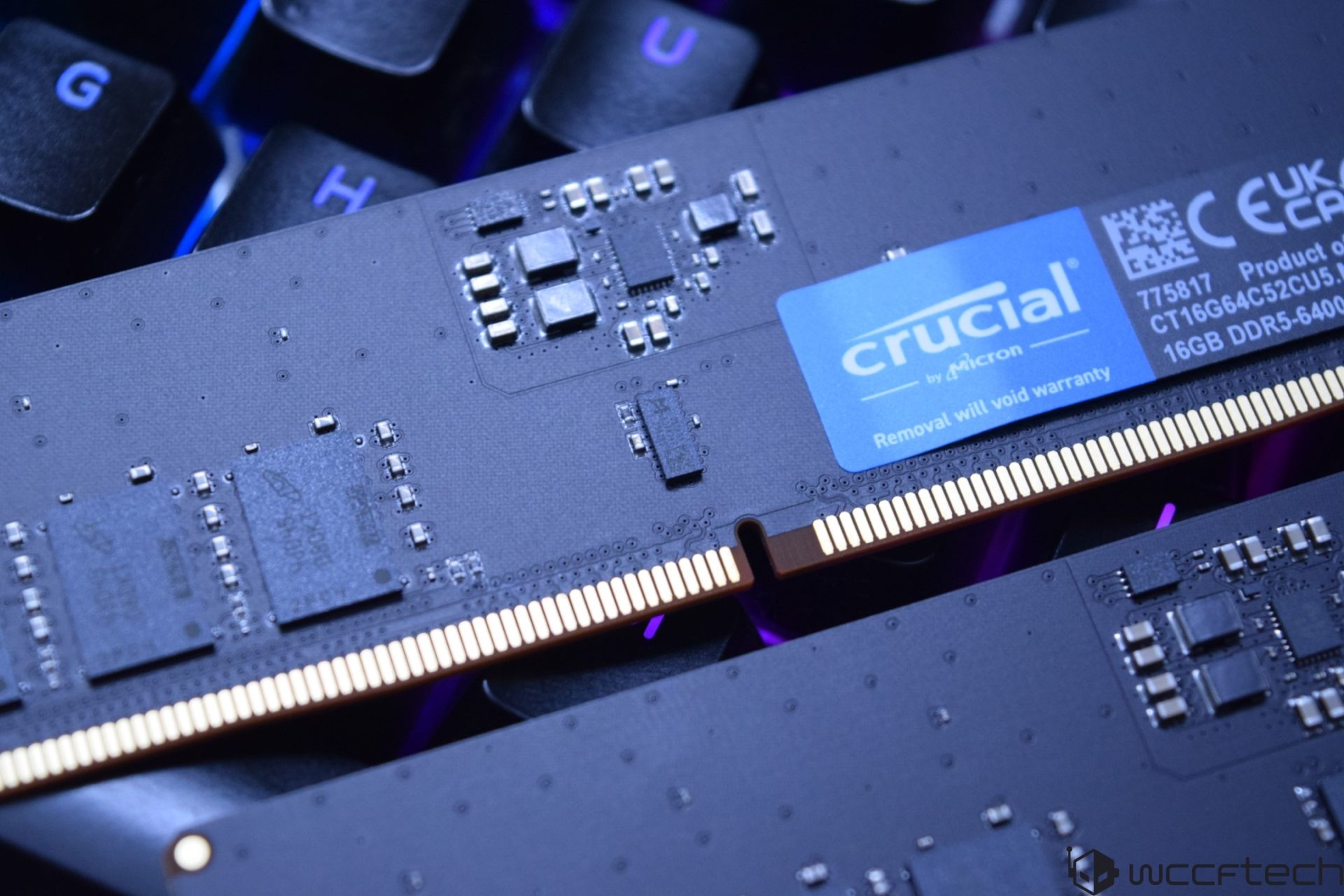
Framework has revised its DDR5 memory pricing once again, this time raising costs to between $12 and $16 per gigabyte for kits used in its modular laptops. The shift reflects a broader industry trend of escalating DRAM prices, which have surged by 20–60% in recent months depending on configuration. For customers upgrading their systems, the impact is immediate: a 16GB kit now ranges from $192 to $256, while a 32GB module—common in high-end configurations—can exceed $400.
Pricing varies based on whether the system uses single high-capacity sticks or dual lower-capacity DIMMs, with Framework noting that the increases are necessary to offset supplier costs. Just two months ago, the company was charging $10 per GB for standard kits, but the latest hike aligns with a tightening memory market that has pushed prices upward across the tech industry.
The adjustments aren’t limited to laptops. Framework’s desktop systems and mainboards, which rely on soldered LPDDR5X memory, have also seen price increases of 6–16%. The company warns that further hikes are expected as supplier costs continue to climb, adding pressure on both modular and traditional PC builds.
Key specs and pricing shifts
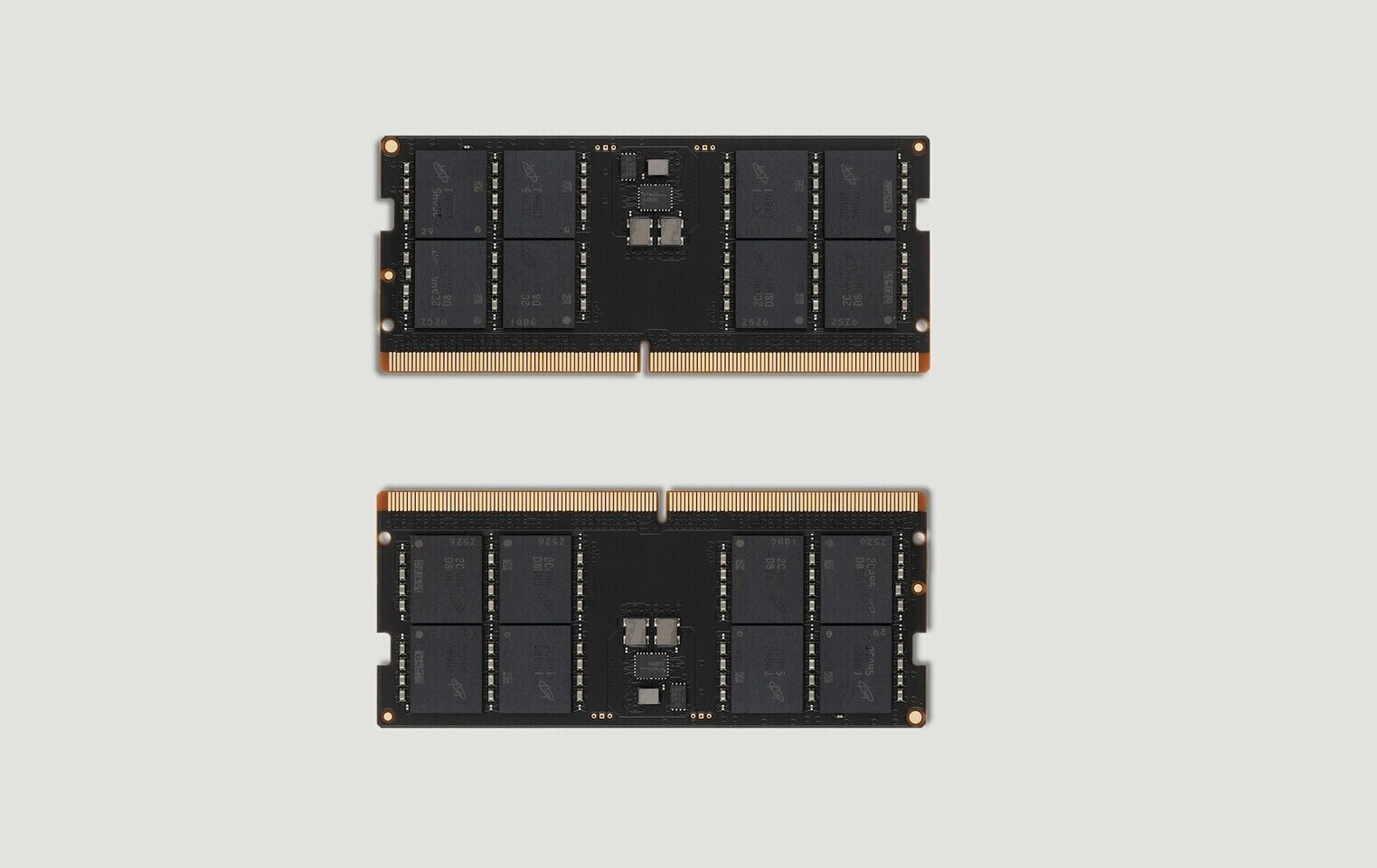
- DDR5 pricing: $12–$16 per GB (varies by kit size)
- 16GB kit: $192–$256
- 32GB kit: Up to $400
- LPDDR5X desktops: 6–16% price increase
- Previous pricing (Dec 2025): $10/GB for 8GB, 16GB, 32GB kits
- 48GB dual-rank modules: Higher than standard kits
For power users and professionals relying on high-memory configurations, the latest pricing could influence upgrade decisions. Framework’s modular approach allows for future expansions, but the rising costs may delay upgrades or require trade-offs in performance. Meanwhile, the company’s desktop lineup faces similar challenges, with LPDDR5X memory costs driving up entry prices for custom builds.
With no immediate relief in sight for DRAM shortages, Framework’s adjustments serve as a cautionary example of how supply constraints ripple through the tech ecosystem. The trend underscores the need for manufacturers and consumers alike to adapt to a market where memory costs remain volatile.