The tech market has seen its share of budget-friendly laptops, but few have combined the reputation of a Lenovo ThinkPad with the raw power of an Intel Core i7 while staying under $300. That balance is now being tested by a newly available model that promises to reshape expectations for what a mid-range laptop can deliver without breaking the bank.
This isn't just about getting more processing muscle for less money—it's also about understanding how this shift might influence upgrade decisions and buying timing, especially for those focused on data or AI workloads. The key question is whether this represents a genuine step forward in affordability or if there are trade-offs that aren't immediately obvious.
What’s happening now
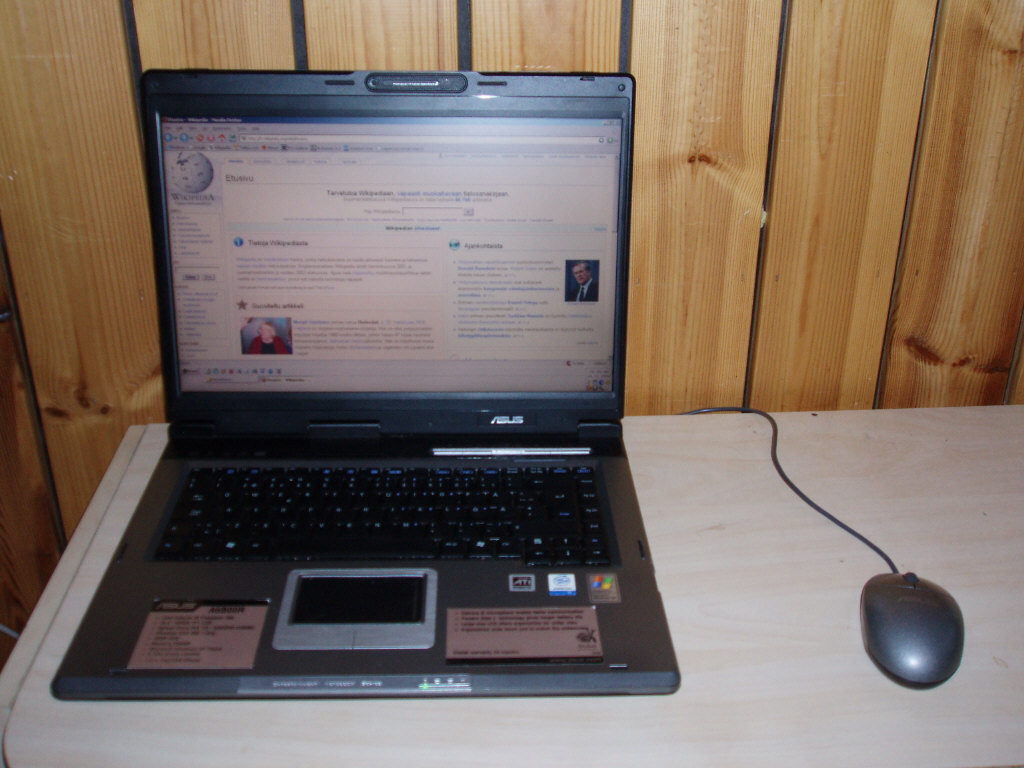
The model in question is a Lenovo ThinkPad equipped with an Intel Core i7 processor, typically associated with higher-end machines due to its multi-threading capabilities and strong single-core performance. The current price point, however, is far removed from what buyers would expect for such specifications. Historically, laptops with this level of processing power have been priced significantly higher, often exceeding $1,000 or more depending on configuration.
The push toward lower prices isn't entirely new, but the scale and speed of this change are notable. Intel’s i7 processors have long been a staple in professional-grade laptops, prized for their ability to handle demanding tasks like data analysis or AI workloads without skipping a beat. However, the cost of these components has traditionally been a barrier, forcing buyers to choose between performance and price.
The ThinkPad model now listed at this price includes
- An Intel Core i7 processor (exact clock speeds or generation not specified, but assumed to be from the 12th or 13th generation lineup).
- 8 GB of DDR4 RAM, which is standard for mid-range systems but may feel limiting for more intensive workloads.
- A 512 GB NVMe SSD, offering ample storage with fast read/write speeds, though this is still below the capacity of many newer models.
The combination of these specs suggests a machine capable of handling everyday tasks with ease, but its true potential lies in more specialized use cases. For example, data processing or light AI workloads could see significant speed improvements compared to older i5-based systems, assuming the processor’s multi-threading is leveraged effectively.
The bigger question for buyers isn’t just whether this laptop is a good deal today, but how it fits into their long-term roadmap. If the trend toward lower prices continues, it could normalize higher-performance laptops in the sub-$300 range, making them more accessible to a broader audience. However, there are unknowns—such as battery life, thermal performance under load, or how well this model holds up against newer i7 processors—that could influence its staying power.
For now, the ThinkPad’s presence at this price is a reminder that the laptop market is still evolving rapidly. Buyers should weigh whether they need the latest hardware today or if waiting for the next generation would serve them better in the long run.