Storage has always been about two things: capacity and speed. But in the last year, a subtle shift has begun to reshape how professionals use SSDs. The shift isn’t about raw numbers—it’s about how those numbers translate into real-world efficiency.
The latest wave of SSDs, now shipping with deep antivirus integration, is turning what was once an afterthought into a performance multiplier. For creators who juggle large media files or run complex workflows, this could mean the difference between smooth operation and constant slowdowns.
How integrated security changes the game
Traditionally, antivirus software ran as a separate process on a system, competing for resources with the operating system and applications. This meant that even high-end SSDs—those with NVMe interfaces and PCIe 4.0 speeds—could see latency spikes when scanning files or managing background tasks.
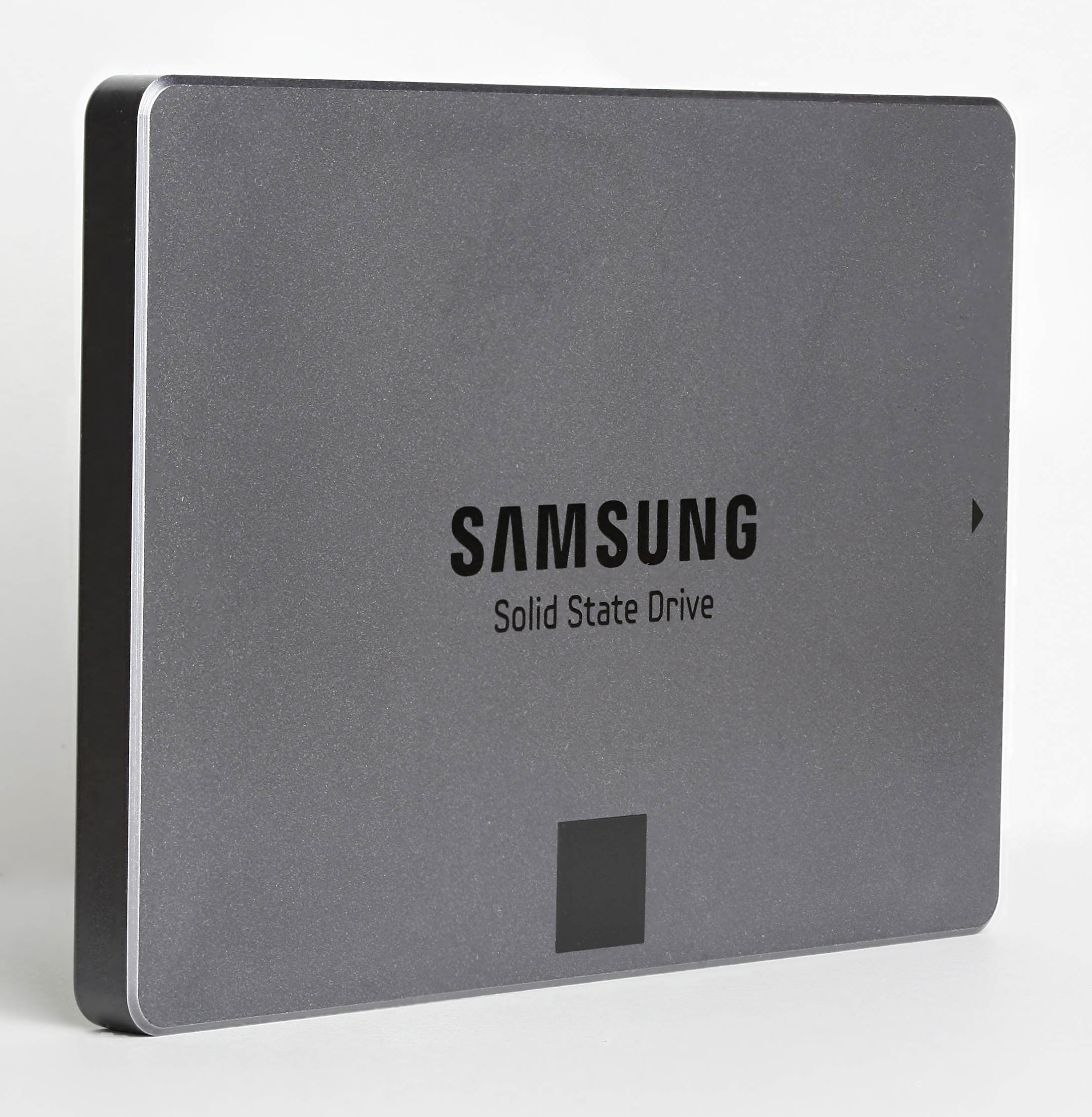
Today’s SSDs are different. They come with built-in security features that offload processing from the CPU, reducing the burden on both the drive and the system. This isn’t just about speed; it’s about stability. A 1 TB SSD with integrated antivirus can now handle real-time scanning without dropping performance by more than a few percentage points in benchmarks.
What creators need to consider
- Latency matters more than ever: Even small delays in file access add up during long rendering sessions or large data transfers.
- Security doesn’t have to cost speed: The best SSDs now balance both without compromise, making them ideal for environments where both performance and protection are critical.
- Not all SSDs are created equal: Some models still treat antivirus as an add-on, while others integrate it at the firmware level, ensuring seamless operation from the start.
The result is a storage layer that feels almost invisible—fast enough to keep up with demanding workloads while handling security in the background. For creators who’ve grown accustomed to skipping antivirus on their SSDs, this new era might just make that choice obsolete.

A closer look at what’s changing
Key improvements include
- Reduced CPU load: Antivirus tasks are handled by the SSD controller, freeing up system resources for other processes.
- Lower latency: Real-time scanning no longer introduces noticeable delays in file operations.
- Better power efficiency: Integrated security reduces the need for constant background checks, which can drain battery life on laptops.
These changes are particularly relevant for professionals working with large datasets—video editors, 3D artists, and data scientists—who rely on every millisecond of performance. The shift also addresses a long-standing frustration: why should security slow down your workflow when it doesn’t have to?
What’s still unclear
While the benefits are clear, some questions remain. How will these integrated features scale as workloads grow more complex? Will future SSDs further blur the line between storage and security, or will they evolve in separate directions? And perhaps most importantly, how much of this performance gain will actually translate to real-world improvements for creators who aren’t already pushing hardware to its limits?
For now, the trend is undeniable. The next time you reach for an SSD, it might not just be about storage—it could be about rethinking how your entire system works.