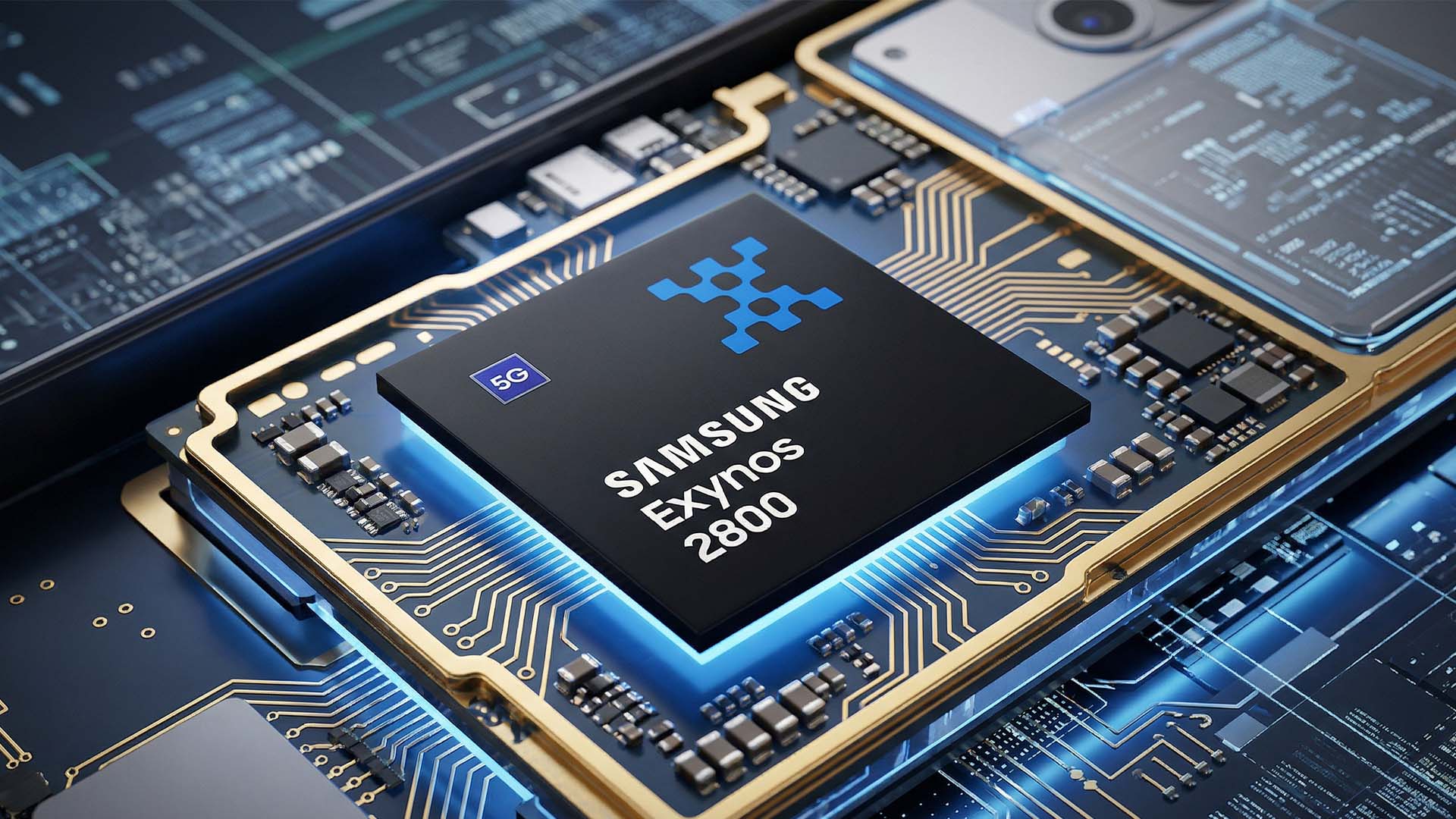
The Exynos 2800 is arriving on a 5-nanometer process, not the cutting-edge sub-2nm nodes some had speculated. It’s a quiet but significant decision: yield and stability over pushing lithography to its absolute limit.
This isn’t just about one chip—it’s a signal. In an era where foundry schedules stretch beyond initial roadmaps, Samsung is choosing operational certainty over bleeding-edge ambition. The question now is whether that trade-off will pay off in the long run for both the chip and the devices it powers.
Specs, but with a catch
The Exynos 2800 itself remains largely unchanged from earlier leaks: eight Cortex-A78 cores (one boost, three mid, four efficiency), an X-clocked GPU, and a 16-core LPDDR5 memory controller. But the process node is the real story here.
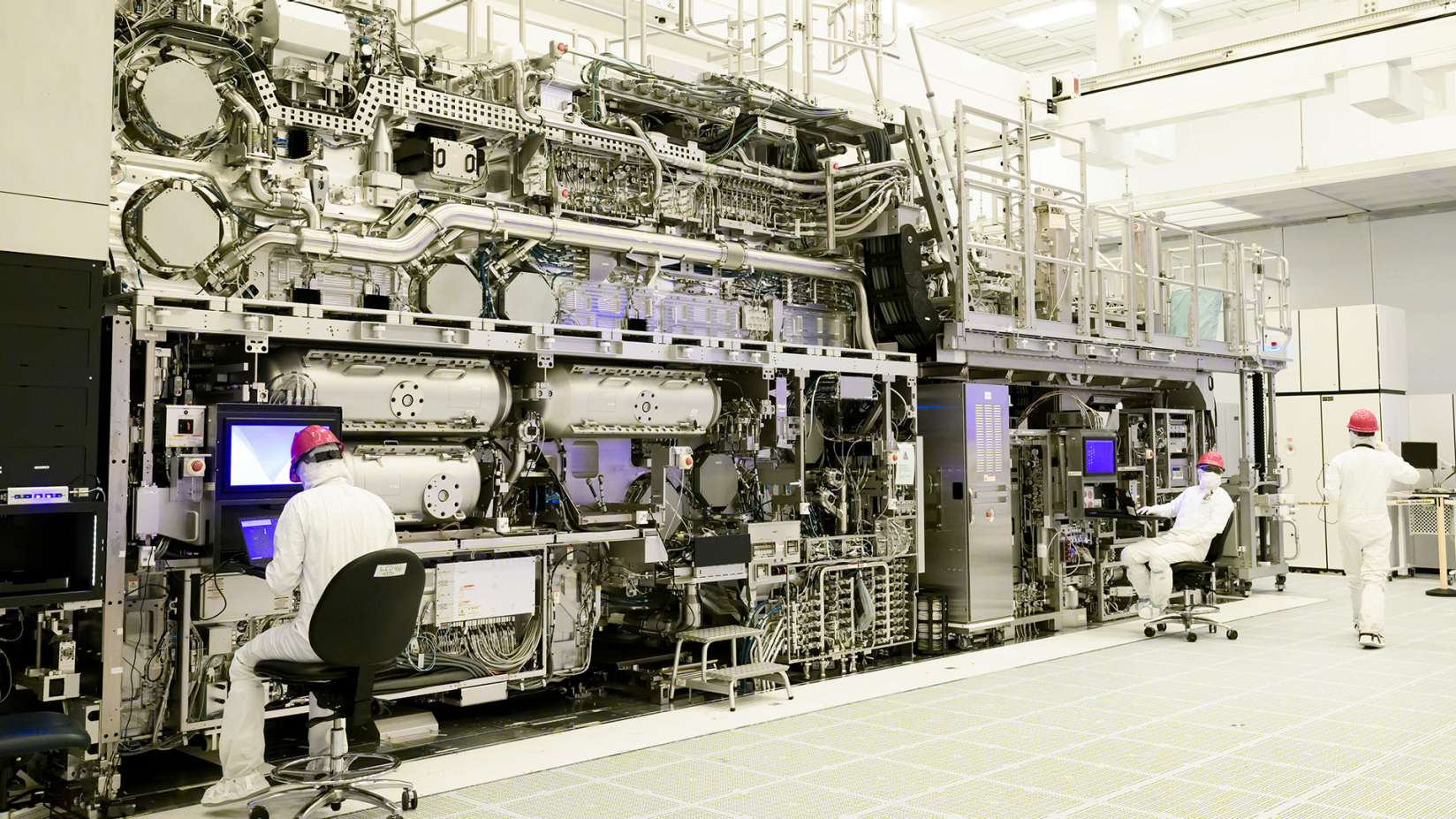
5nm is no slouch—it’s the same node used in last year’s Snapdragon 8 Gen 2 and Apple A16 Bionic. Yet it’s also two generations behind TSMC’s most advanced nodes. The decision to hold back isn’t just about risk; it’s about time-to-market. Sub-2nm is still a moving target, with unknowns around power efficiency, thermal behavior, and long-term yield stability.
Why 5nm now?
- Higher yields mean lower operational costs for Samsung and its partners.
- Avoiding the first-mover risks of sub-2nm gives more breathing room for software tuning and driver maturity.
- It aligns with industry trends—even Apple’s latest A-series chips are still on 3nm, not the promised 2nm.
That last point is worth noting. If even Apple is taking a measured approach to process transitions, Samsung isn’t alone in its caution. The Exynos 2800’s path is now clear: it will ship with 5nm, but future generations may revisit the sub-2nm question—if and when the risks become manageable.
What creators need to know
For developers, this means the Exynos 2800 will be a stable platform for Android software, with no immediate performance cliffs. But it also means they’ll miss out on some of the efficiency gains promised by sub-2nm—at least in this generation.
The bigger question is operational cost. A 5nm chip is cheaper to mass-produce than one on an unproven node, but it’s also less efficient. Samsung will need to prove that the trade-off between yield and performance is worth it over time. If it succeeds, we’ll see more chips taking a similar path—prioritizing stability over cutting-edge specs.
Looking ahead
The Exynos 2800 isn’t the end of the story; it’s a stepping stone. Future iterations could still push toward sub-2nm, but only if the manufacturing kinks are ironed out. Until then, this chip is a reminder that in tech, progress isn’t always about going faster—it’s about going further.