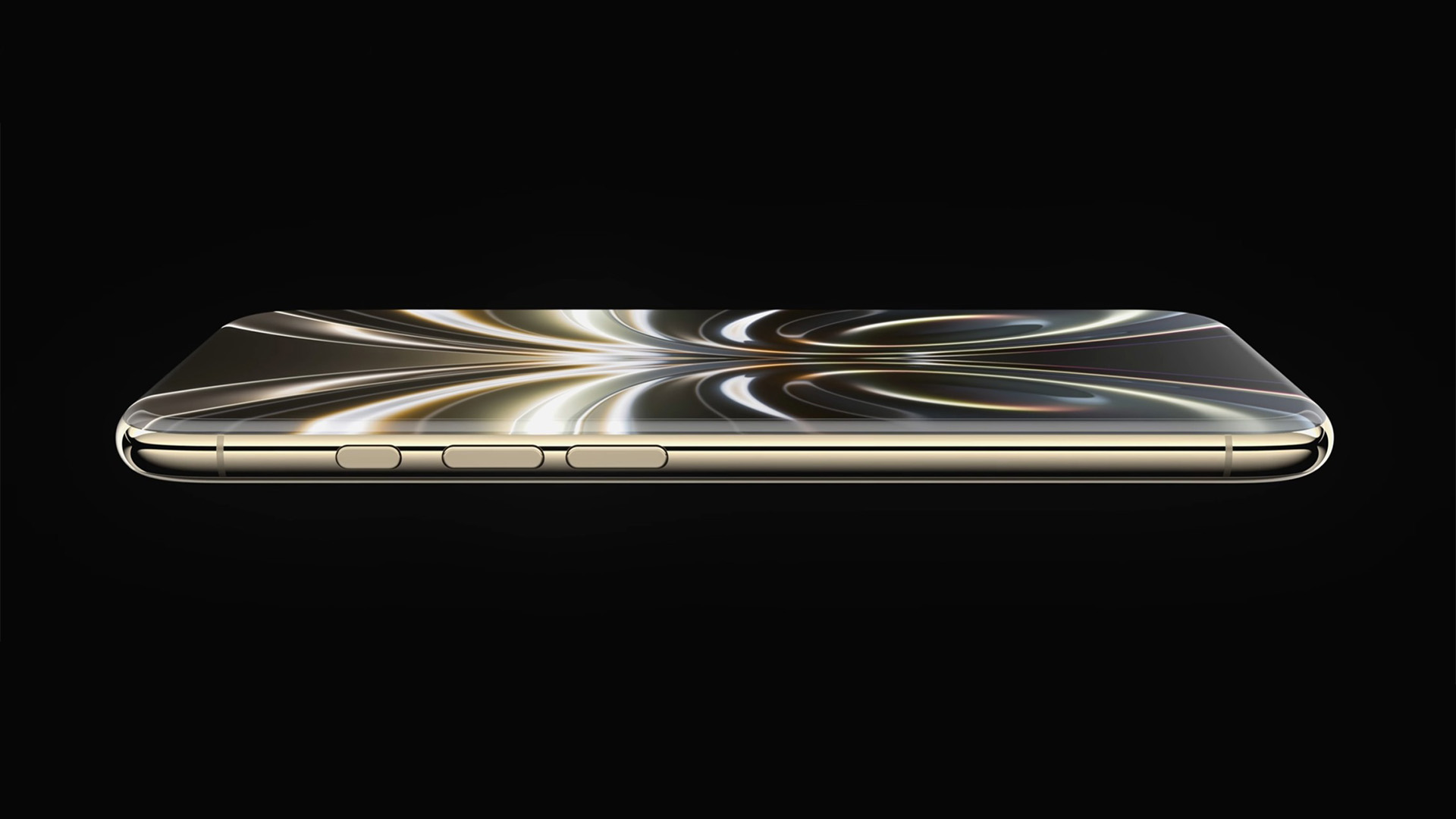
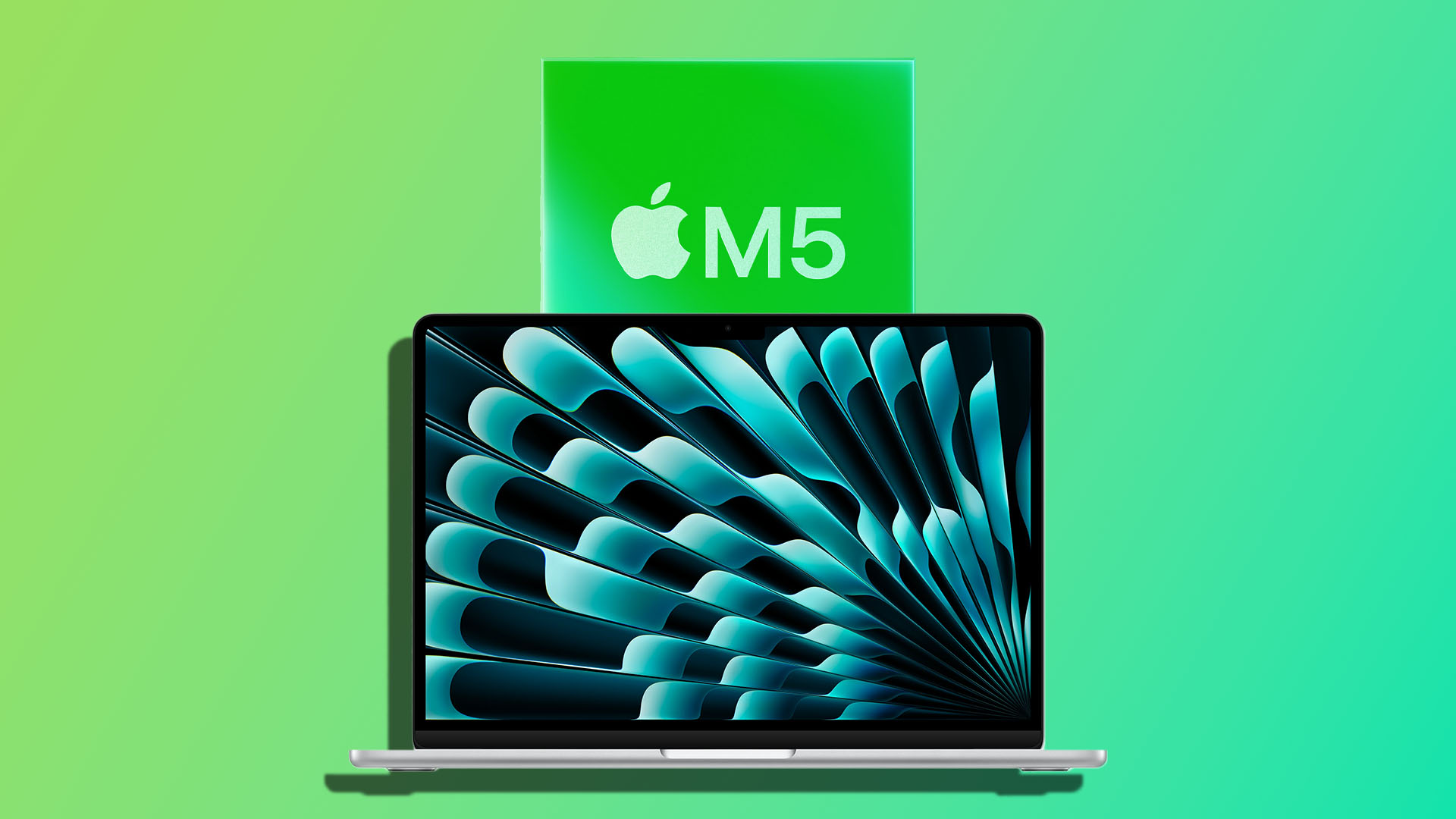
The 13-inch MacBook Air with the M5 chip has dropped below $900 for the first time, marking a significant milestone in Apple’s approach to thin-and-light laptops. This price reduction doesn’t just reflect cost savings—it forces a reevaluation of what buyers expect from premium performance hardware.
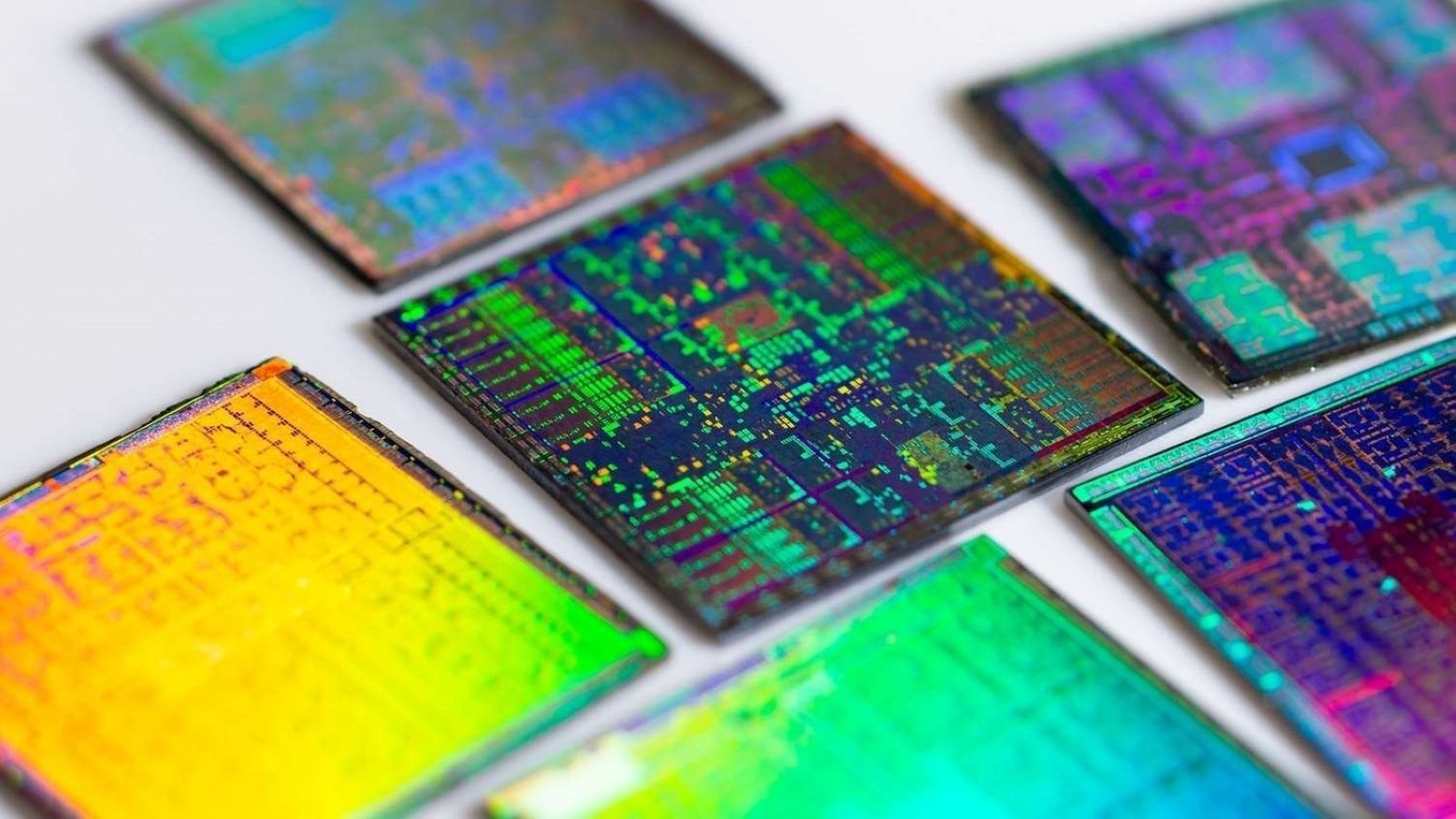
Apple’s latest iteration of the MacBook Air focuses on refining efficiency rather than introducing radical changes. The M5 chip, already known for its thermal management and battery life improvements, now delivers up to 20% better performance per watt compared to its predecessor. This translates to cooler operation under sustained workloads, a critical factor for users who rely on laptops for extended video editing or multitasking sessions.
Thermal performance has always been a balancing act in ultra-thin devices, but the M5 chip mitigates this more effectively than before. Apple claims up to 18 hours of battery life on the base model, a figure that holds true in real-world usage for office tasks. However, heavy workloads like 3D rendering or complex video projects can still test the limits, though the improvements are noticeable compared to earlier generations.
Key Specifications and Refinements
- The M5 chip features up to a 12-core CPU and 10-core GPU, maintaining the same thermal profile as the M1, ensuring no compromise on performance density.
- Base models now include 16GB of unified memory, an upgrade from previous generations, addressing one of the biggest limitations in compact laptops.
- Storage options have expanded to a maximum of 2TB SSD, providing ample capacity for creative professionals without requiring external drives.
- Thunderbolt 4 ports and USB-C connectivity remain standard, ensuring compatibility with high-speed peripherals and external GPUs while maintaining portability.
The price drop also raises questions about platform loyalty. The MacBook Air has long been positioned as a premium device, but the $900 entry point now competes directly with Windows alternatives that have dominated the budget performance segment for years. Buyers who value macOS features—such as seamless iCloud integration or optimization for Apple’s ecosystem—may see this as an opportunity to transition without sacrificing performance.
Who Stands to Gain?
The most immediate beneficiaries are power users who require macOS-specific capabilities, such as Final Cut Pro optimization or iPad integration. The 16GB base memory and 2TB storage options make this model viable for creative professionals without the need for immediate upgrades to higher-end models.
For Windows users, however, the MacBook Air’s efficiency is a stark contrast to many budget-friendly alternatives. The M5 chip delivers performance per watt that rivals high-end x86 processors, but without the heat or noise typically associated with such workloads. If Apple continues to refine its pricing strategy, other segments—like the 14-inch MacBook Pro—could follow, further blurring the line between premium and mainstream laptops.
The broader implication is whether this signals a shift in industry standards. Efficiency has always been Apple’s hallmark, but now it’s being measured against price sensitivity in a way that wasn’t feasible even five years ago. For buyers who have waited for this moment, the 13-inch MacBook Air isn’t just a deal—it’s a redefinition of what performance should look like at every price point.