In an era where PCIe Gen 4 and Gen 5 dominate headlines, Samsung’s 8 TB SATA SSD arrives like a relic from a different time—yet its pricing makes it impossible to ignore. At $4,139, the drive undercuts even high-end NVMe options on a per-gigabyte basis, challenging the assumption that speed always comes at a premium.
The drive isn’t just cheap; it’s a technical anachronism. It relies on SATA III (6 Gbps) instead of PCIe, capping its theoretical performance well below what modern NVMe drives can achieve. Yet for certain workloads—bulk data storage, archival backups, or legacy systems—this limitation becomes less of a drawback and more of an acceptable trade-off.
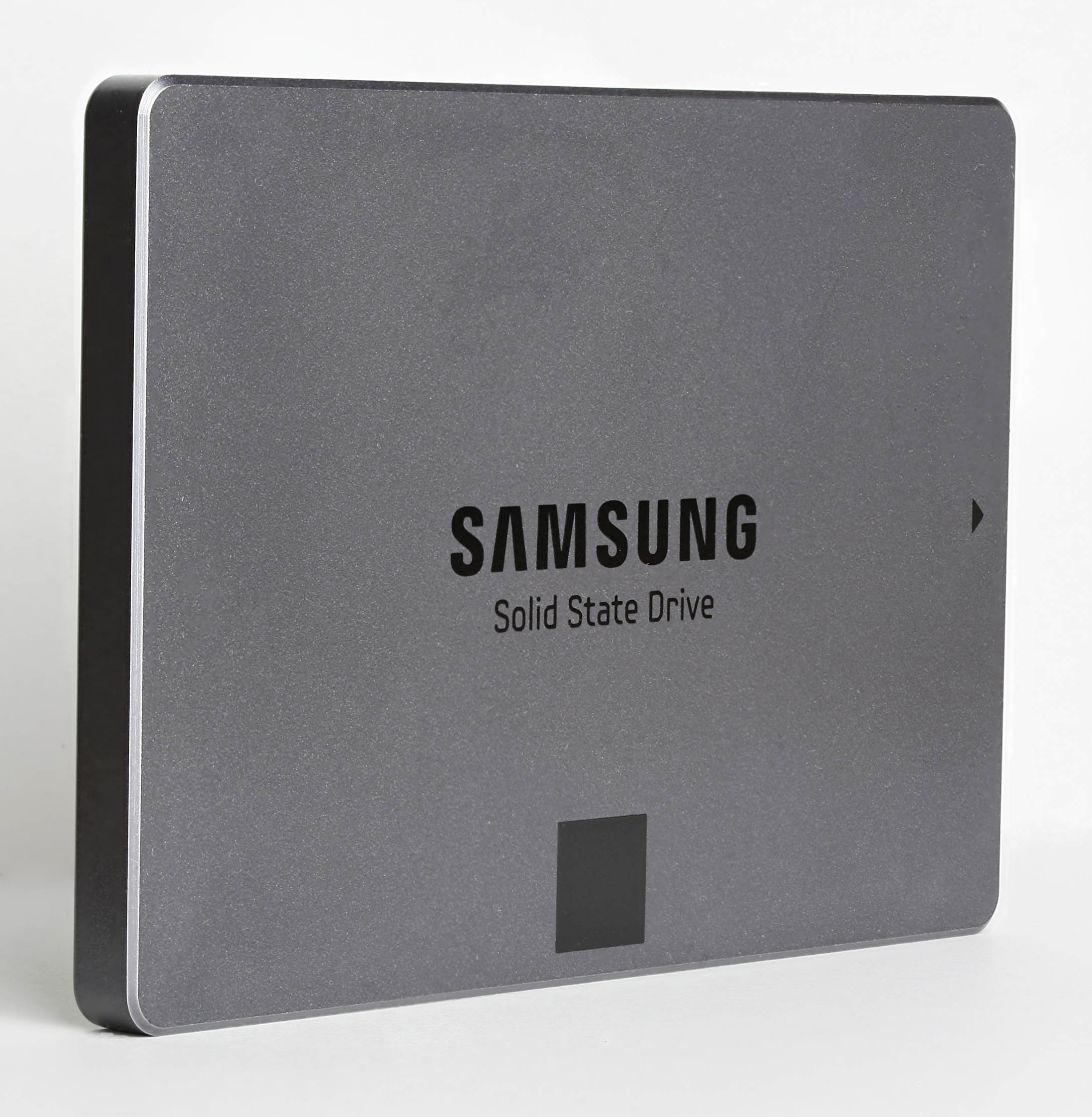
- Capacity: 8 TB (512 GB NAND)
- Interface: SATA III (6 Gbps)
- Performance: 560 MB/s read, 530 MB/s write
- Form Factor: 2.5-inch, 7 mm
- Endurance: 1,200 TBW (drives), 600 TBW (workloads)
The real story here isn’t just the price—it’s the math. At $0.52 per gigabyte, this drive competes with NVMe options that can cost twice as much for half the capacity. For data centers or power users drowning in raw storage needs, the savings are undeniable.
But compatibility remains a catch. SATA’s 6 Gbps bottleneck means even the fastest workloads will see throughput lag behind PCIe Gen 4’s 32 Gbps. That said, for systems where speed isn’t the priority—where capacity and cost matter most—the drive could redefine what ‘enterprise-grade’ means.
The broader implications are still unclear. Is this a one-off pricing experiment, or does it signal that SATA isn’t dead yet? Either way, Samsung’s move forces the industry to ask: if NVMe drives keep scaling in capacity but not in price, will their premium ever make sense?