The DRAM market is at a critical juncture, where the relentless growth of artificial intelligence (AI) is clashing with lingering shortages in consumer electronics. This tension is forcing suppliers like SK hynix to rethink their strategies, even as they deny immediate plans to abandon the consumer business. The situation underscores a broader challenge: how to sustain two distinct but equally demanding supply chains when resources are stretched thin.
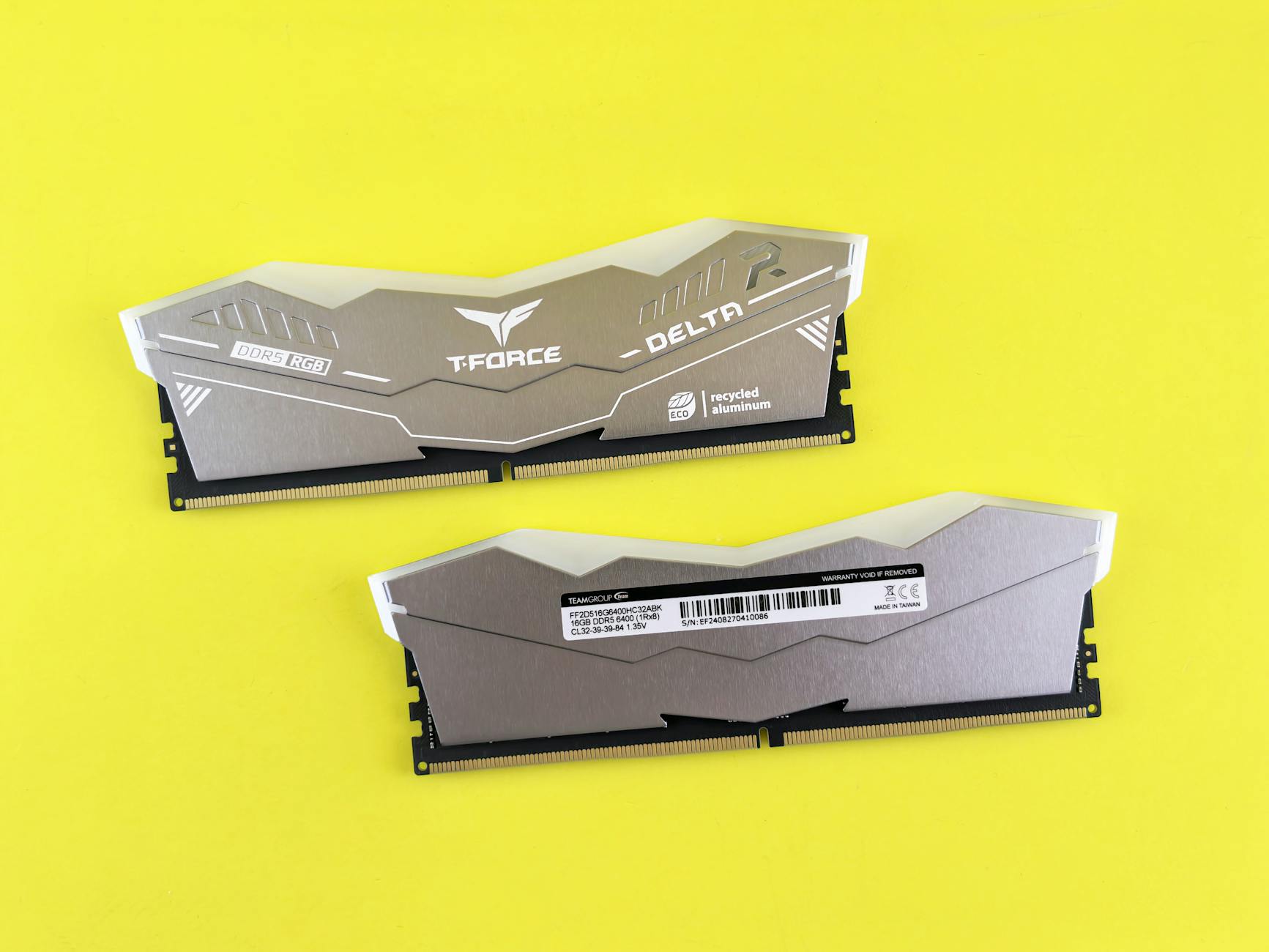
AI’s appetite for memory has surged in recent years, with high-bandwidth memory (HBM) and DDR5 modules becoming critical components for data centers and advanced computing systems. These products not only drive higher revenue margins but also represent a shift in market dynamics away from traditional consumer DRAM. Yet, the consumer segment remains a significant revenue stream for manufacturers, particularly through OEM channels where brands like Micron and SK hynix have deep integration.
The exit of Micron from its Crucial business unit earlier this year sent ripples through the industry, sparking speculation that other suppliers might follow suit. While SK hynix has dismissed rumors of discontinuing its consumer operations, the underlying issue persists: balancing AI demand with consumer needs is becoming increasingly difficult. The company’s spokesperson clarified that it remains committed to serving both markets, but the scale of the challenge is evident in the aggressive measures now being taken by suppliers.
One of the key factors complicating this balance is the supply chain disruptions that have affected DRAM production. These disruptions are not limited to AI or consumer segments; they extend to industries like home appliances and televisions, where memory shortages are beginning to impact product availability. The result is a market where suppliers are reportedly 'cherry-picking' customers, prioritizing only a handful of PC manufacturers to ensure stability in their most lucrative segments.

For SK hynix, the dilemma is clear: AI demand is growing at an unprecedented rate, with TAM figures expanding rapidly. Products like HBM offer higher profitability, making them a natural focus for suppliers. However, the consumer market remains a critical part of the business model, and abandoning it entirely would leave a significant revenue gap. The challenge lies in maintaining both supply chains without compromising on quality or stability.
Looking ahead, the DRAM market will need to adapt to these dual demands. Suppliers may explore innovative solutions, such as expanding production capacity for DDR5 modules or diversifying their customer base to reduce dependency on any single segment. However, the immediate future remains uncertain, with no signs of AI demand slowing down. The question is whether manufacturers can navigate this complexity without sacrificing long-term stability.
The situation also raises broader implications for the industry. If suppliers continue to prioritize AI over consumer markets, it could lead to longer-term shortages in consumer electronics, affecting everything from laptops to home appliances. This would not only disrupt end-user experiences but also create a ripple effect through the supply chain, potentially increasing costs and reducing availability.
In conclusion, the DRAM market is at a crossroads where the needs of AI and consumers are colliding with supply constraints. While SK hynix and other suppliers have ruled out an immediate exit from the consumer business, the long-term viability of this strategy remains uncertain. The industry will need to find a sustainable balance between these two critical segments to avoid further disruptions.