Marathon Season 2 marks a deliberate pivot for Bungie, one that challenges conventional expectations about progression in competitive multiplayer games. At its core, this season is less about incremental rewards and more about structural overhauls—specifically, how players unlock and wield weapons while navigating the new runner shell framework.
The most immediate change is the introduction of a tiered weapon system that replaces the previous model entirely. Instead of a flat experience curve, players now face a three-tier progression path: Foundation, Ascension, and Mastery. Each tier unlocks distinct weapon variants, but with a critical caveat: higher tiers require not just time invested, but also strategic choices about which weapons to prioritize. This means that a player who focuses solely on one weapon family may find themselves at a disadvantage later if they haven’t diversified their loadout.
This shift is notable because it forces players to reconsider their approach to the game. In previous iterations, grinding was often a straightforward process—more matches meant more rewards, with diminishing returns but no fundamental rethink of strategy. Here, Bungie has inverted that logic. The new system demands that players balance specialization and adaptability, which could either deepen engagement or frustrate those who prefer a more linear progression path.
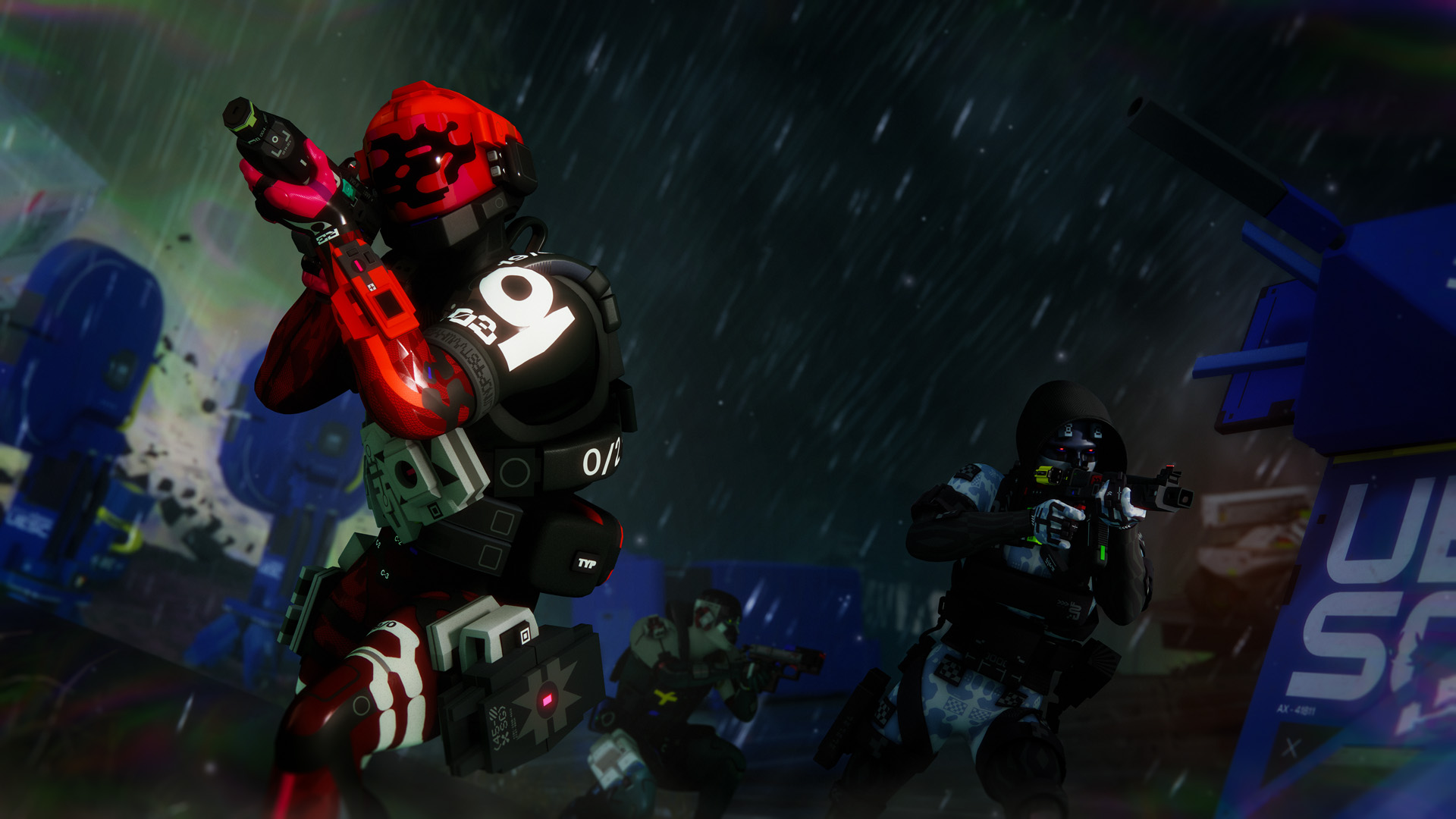
The runner shell, another centerpiece of Season 2, is equally transformative. While the original Marathon introduced customizable shells, this update refines them into modular kits—each with distinct movement capabilities, defensive traits, and even aesthetic themes. Players can now mix and match components across kits, creating a hybrid build that suits their playstyle. However, the trade-off is clear: no single shell will excel in every scenario, which may push players toward a more experimental mindset.
Price remains unchanged at $20, but the value proposition has shifted. The focus on strategic depth over raw content suggests Bungie is betting on player retention through mastery rather than volume. Whether this pays off depends on how well the community adapts to the new constraints—a gamble that could redefine what ‘value’ means in a live-service game.