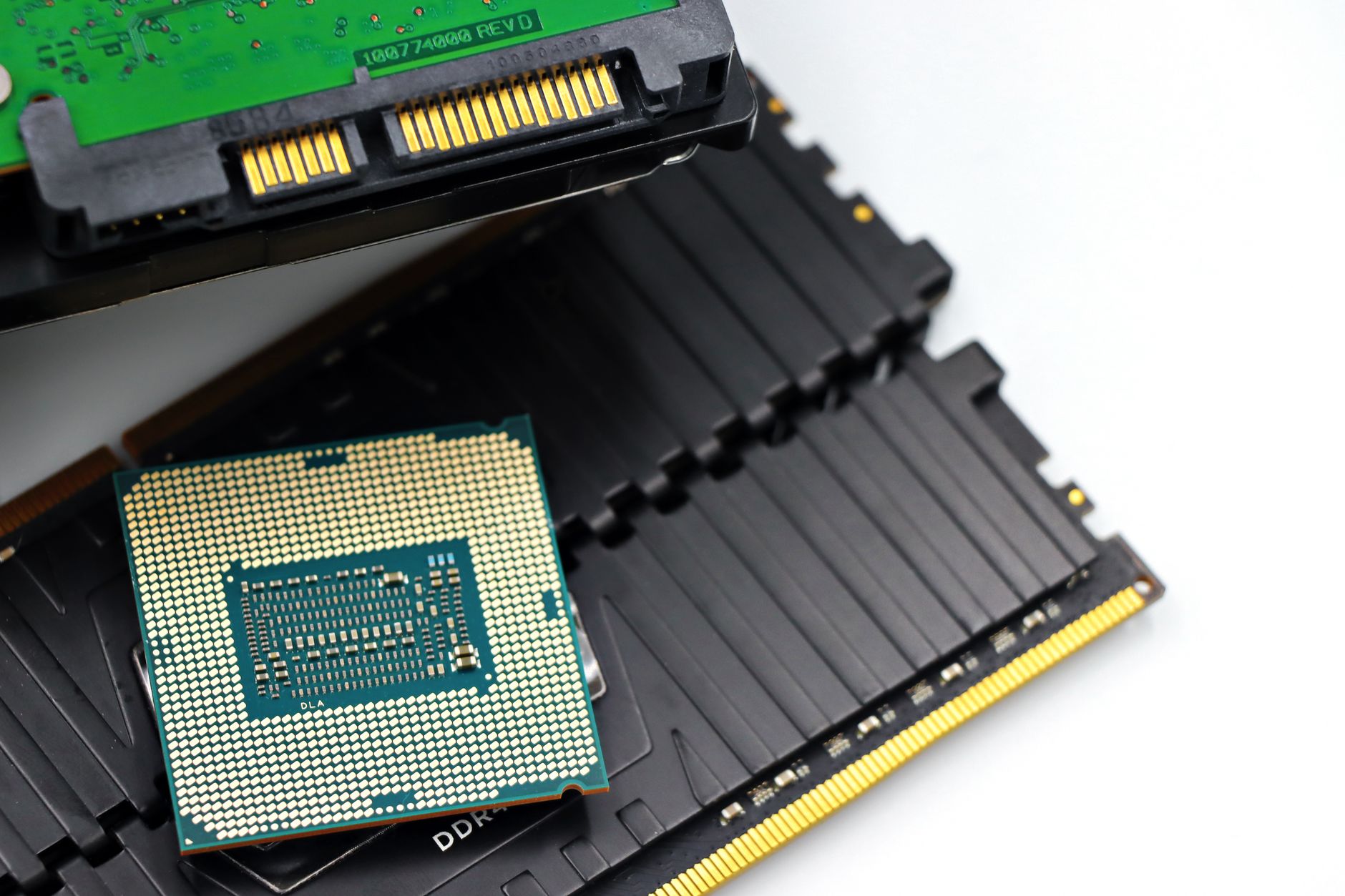
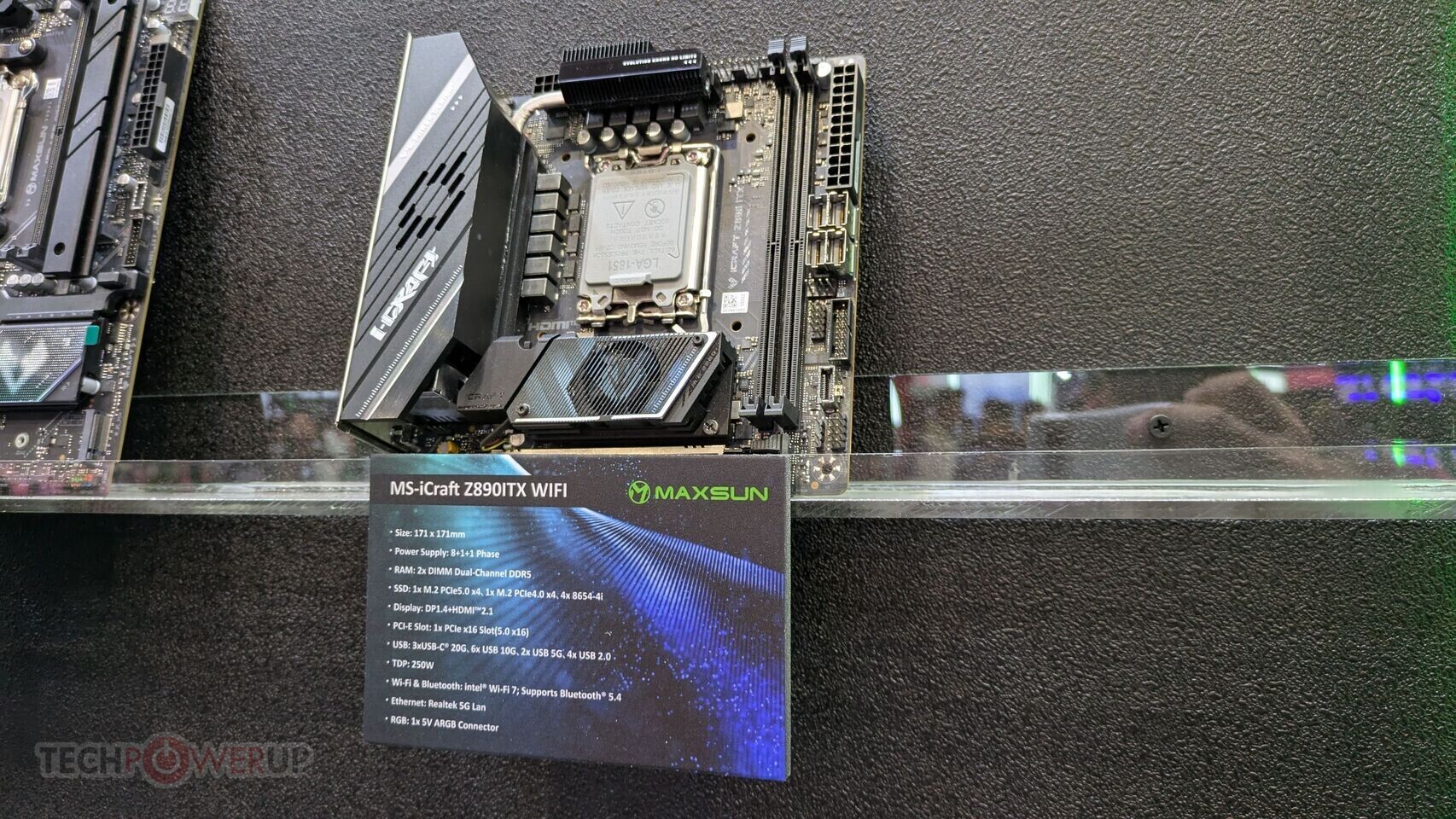
The ASUS ROG NUC 16 is challenging the limits of what a compact PC can achieve. It squeezes in an RTX 5080 GPU, a 24-core i9-14900K processor, and support for up to 128GB of DDR5 RAM into a cube smaller than a loaf of bread. This isn’t just about raw performance—it’s a bold experiment in miniaturization that could redefine how power users interact with their hardware.
Thermal Tradeoffs and AI Potential
The real innovation, however, lies in the tradeoffs ASUS has made to fit this hardware into such a small footprint. The RTX 5080, known for its demanding cooling requirements, is paired with a vapor chamber and dual 120mm fans to manage heat output. Benchmarks suggest that sustained performance may dip under prolonged loads, raising questions about whether this compact form factor can truly match the efficiency of traditional desktops.
Design Compromises
The ROG NUC 16 is a study in miniaturization, but it comes with deliberate compromises. The i9-14900K runs at lower base clocks (3.2GHz compared to 3.7GHz on desktop versions) to manage thermals, while storage is limited to a single M.2 slot for PCIe Gen 5 SSDs, leaving no room for expansion—a choice that may disappoint users who prioritize modding flexibility.
AI Features and Real-World Performance
features are another area of intrigue. The system includes an NPU (Neural Processing Unit), but ASUS has not yet clarified whether it will leverage NVIDIA’s AI stack or develop its own software layer. If the goal is real-time upscaling or generative AI, the lack of official benchmarks leaves room for cautious optimism.
Who Should Consider It?
The ROG NUC 16 isn’t designed for everyone. Its starting price of $4,500 targets enthusiasts who value portability and all-in-one convenience over cost efficiency. A traditional gaming desktop with similar specs would likely offer better cooling performance and upgrade paths at a lower price point.
Everyday users should steer clear. The power draw can reach up to 450W, which may strain household outlets, and noise levels under load are noticeable—though ASUS has acknowledged this limitation without offering significant mitigation beyond fan curve adjustments. For most, a mid-tower build remains the more practical choice.
Future Outlook
The ROG NUC 16 is set to launch in Q4, with pre-orders opening in late October. Its success will hinge on two critical factors: how effectively ASUS can silence the GPU under sustained loads and whether its AI ambitions translate into tangible performance gains. If both are achieved, it could redefine the boundaries of compact computing—but for now, it remains a high-stakes experiment.