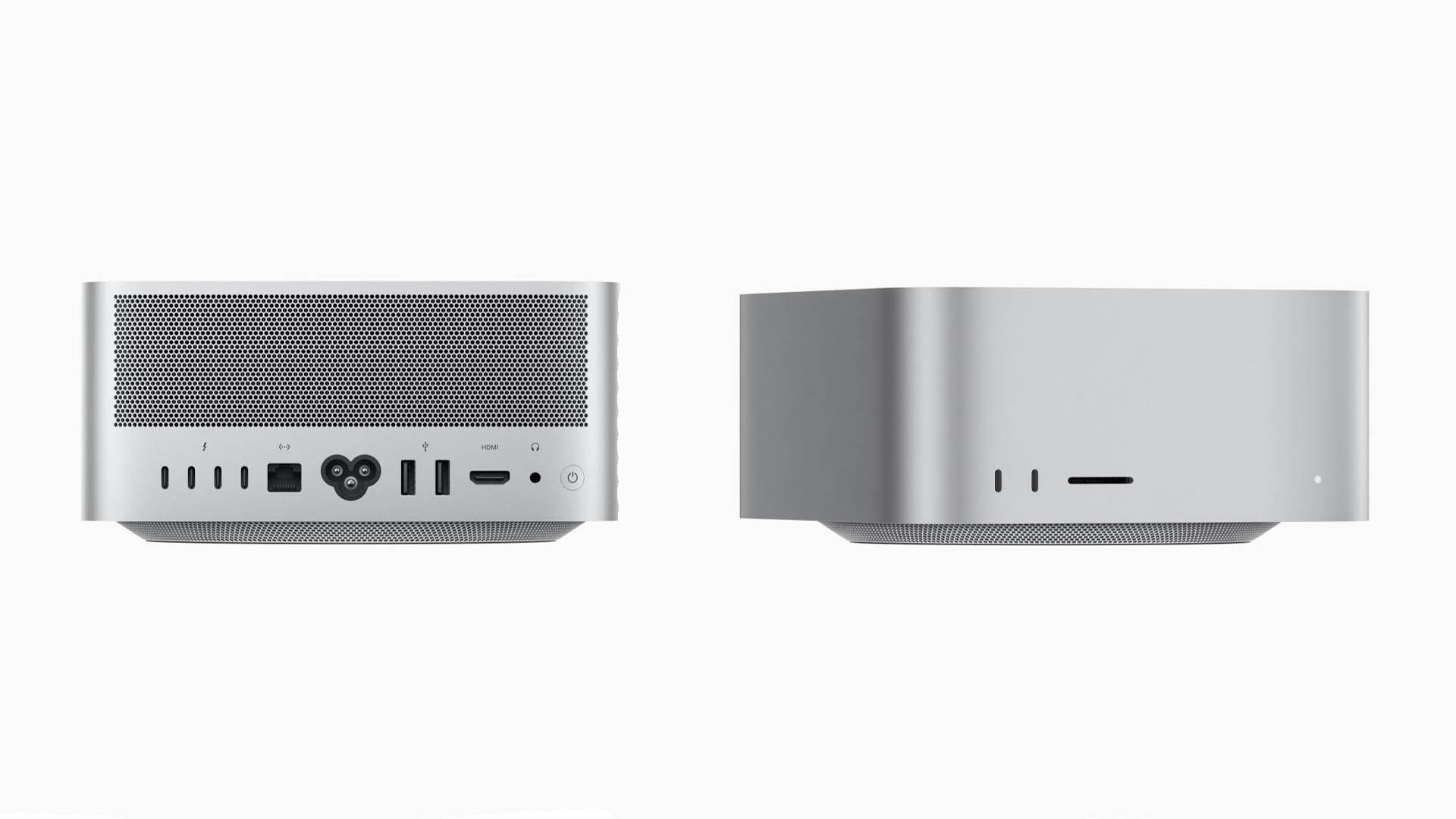
Apple’s hardware strategy is evolving, and the latest M3 Ultra Mac Studio serves as a case study in how the company is redefining performance expectations for professional users. By limiting the flagship workstation to a single, high-capacity memory configuration—96 GB of RAM—the tech giant appears to be betting on a future where computing demands are defined by extreme bandwidth and processing power.
This isn’t an isolated decision but part of a broader trend in Apple’s approach to hardware. Historically, the company has provided multiple memory options to accommodate a range of users, from those with modest needs to those pushing the limits of computational performance. The M3 Ultra chip itself is capable of supporting up to 192 GB of RAM, yet Apple has chosen to focus on the 96 GB variant for its Mac Studio. This shift suggests that Apple is prioritizing configurations that align with the most demanding workloads—such as 3D rendering, scientific simulations, and large-scale data processing—while potentially sidelining users with less intensive needs.
- The elimination of lower-capacity memory options means enterprises must now choose between adopting a top-tier configuration or seeking alternatives that offer more granular flexibility.
- While the 96 GB configuration delivers strong single-threaded performance and robust memory bandwidth, its exclusivity may limit adoption among users who don’t require this level of capacity.
- This strategy also implies that Apple is assuming future applications will increasingly demand higher memory thresholds, which could leave behind less demanding use cases.
The implications of this move extend beyond hardware. Enterprises invested in Apple’s ecosystem may need to reassess their long-term compatibility if future software updates or applications assume higher memory requirements. Meanwhile, competitors could capitalize on this by offering more adaptable memory configurations without compromising performance.
For now, the 96 GB M3 Ultra Mac Studio represents a high-stakes bet on Apple’s vision for the future of computing. Buyers must weigh whether this aligns with their current needs or if it forces them onto a path that may not accommodate all use cases in the years to come. The decision to limit memory options is a bold one, reflecting Apple’s confidence in its ability to shape the trajectory of professional computing—but it also introduces new considerations for enterprises navigating an increasingly specialized hardware landscape.