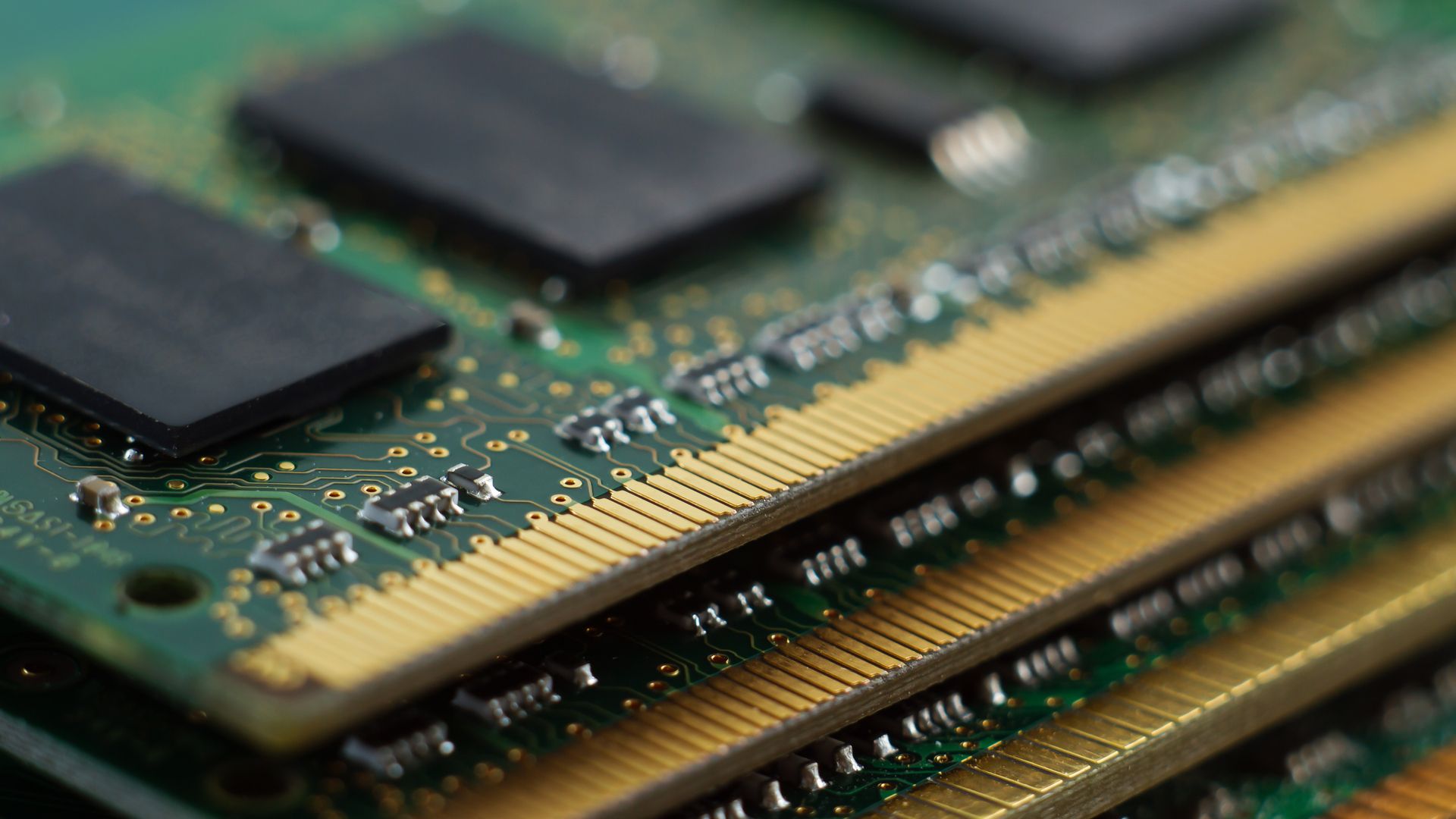
AMD has issued a stark warning about the state of the PC and gaming markets, signaling a significant drop in demand for the second half of this year. The primary culprit is a dramatic surge in memory prices that is making high-performance systems less accessible to consumers, forcing IT teams to rethink their strategies for efficiency and thermal management.
At the core of AMD’s forecast is the growing gap between performance needs and power constraints. As memory costs climb, the pressure on manufacturers and system builders intensifies, pushing them toward solutions that deliver strong performance without compromising on efficiency. This shift is particularly relevant for IT teams responsible for procurement and thermal planning, where balancing cost, performance, and heat output has become a critical challenge.
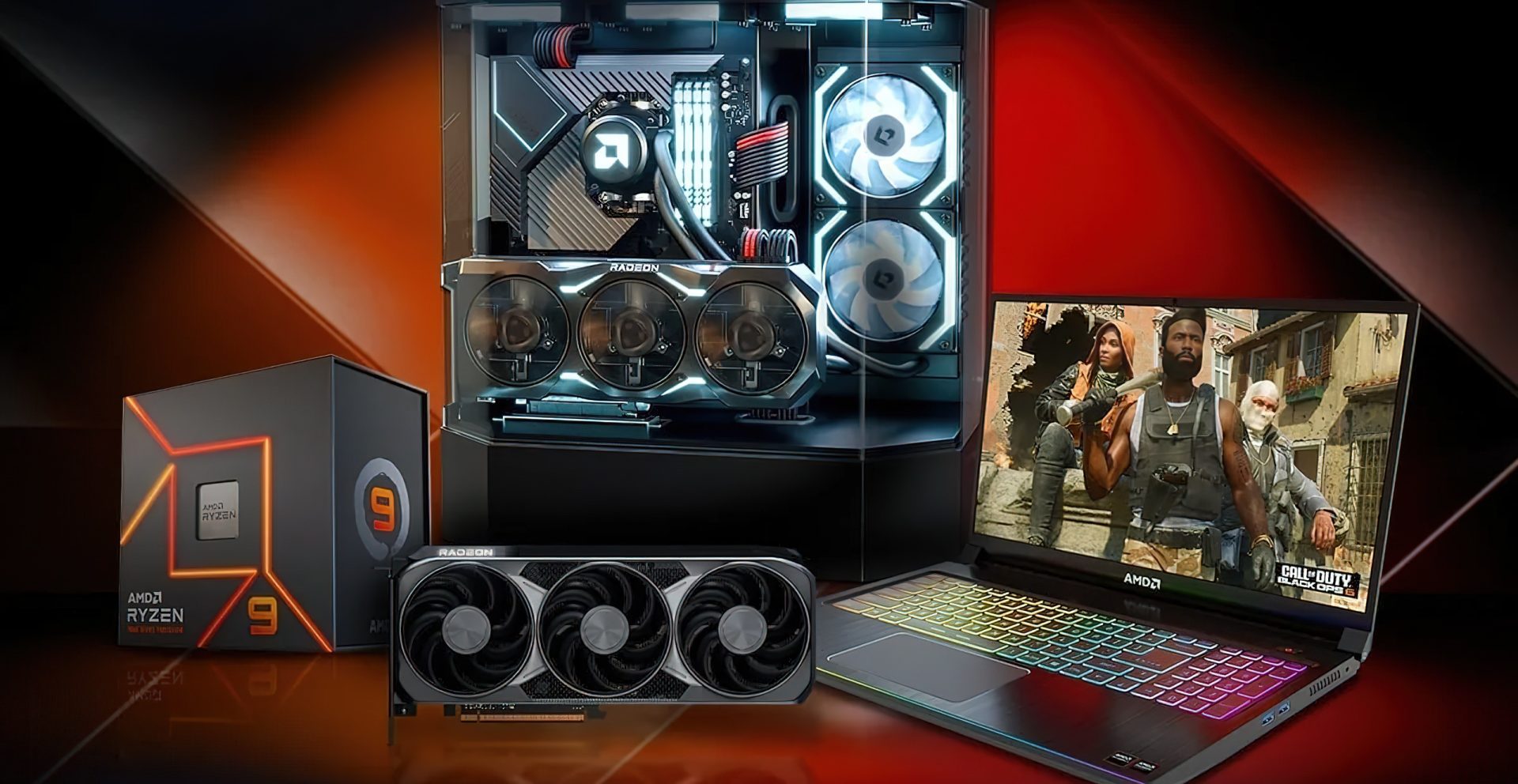
The implications of this trend are far-reaching. For one, it suggests a market correction that could reshape how companies approach hardware selection. With memory prices at record highs, the focus is likely to shift toward architectures that optimize power consumption without sacrificing performance. AMD’s guidance implies that the days of unchecked demand for high-end systems may be numbered, and IT teams will need to adapt quickly to avoid being left behind.
Looking ahead, the key question is whether this decline in demand will stabilize or worsen as memory prices remain elevated. If current trends persist, we could see a market that prioritizes efficiency over raw performance, with thermal management becoming an even more critical factor in system design. For now, AMD’s warning serves as a reality check for the industry, emphasizing the need to balance innovation with practical constraints.