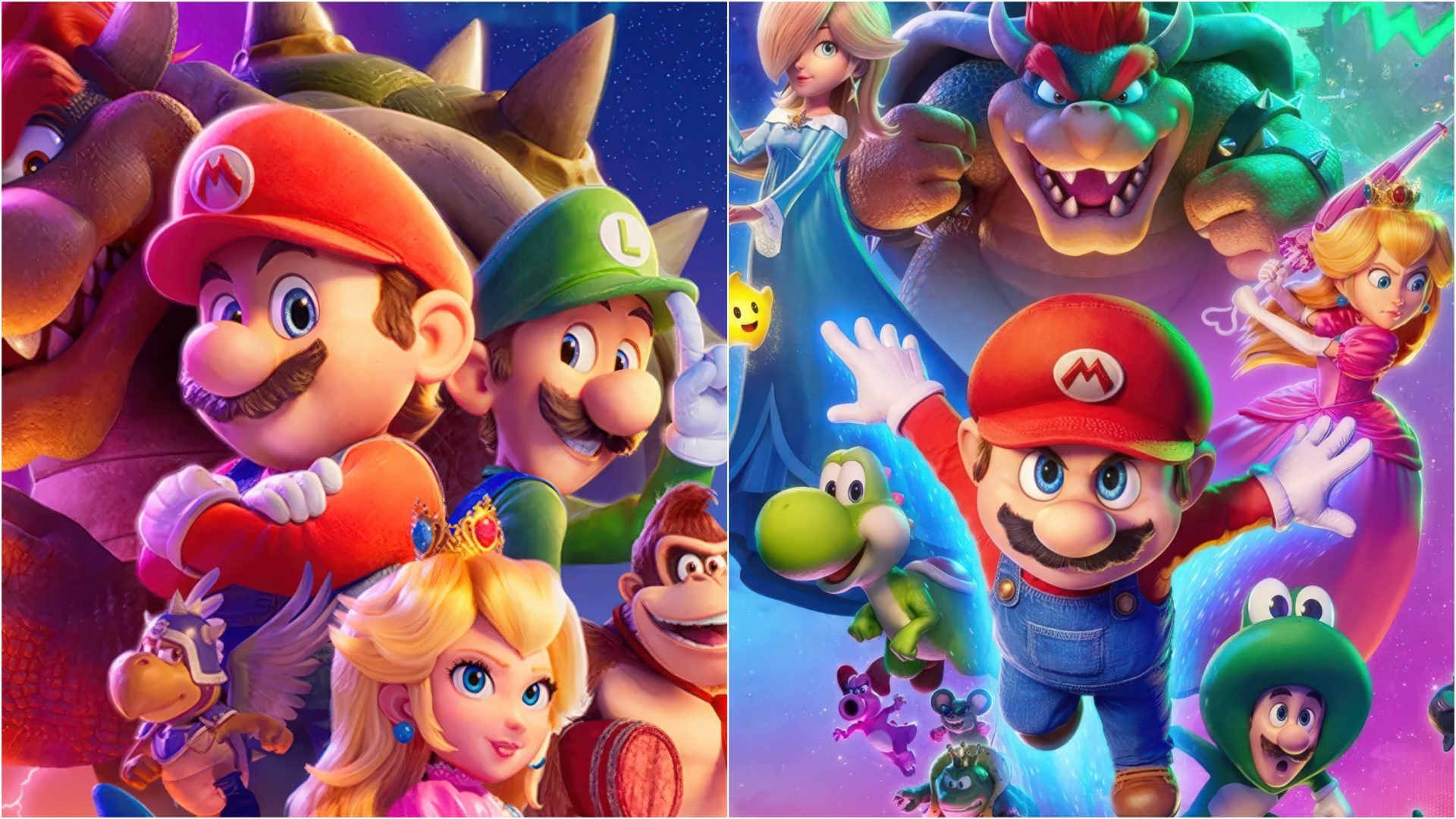
The Super Mario franchise is set to see its next installment delayed until 2029, according to recent developments. While no official announcement has been made regarding the title or exact release date, insiders suggest that the project will prioritize advanced performance metrics and operational cost efficiency—key considerations for modern data and AI workloads.
This delay comes after a $2.3 billion investment in the franchise over its lifetime, underscoring the scale and ambition of the upcoming entry. The focus on performance-per-watt and thermal management hints at a design tailored to high-demand computing environments, where efficiency is as critical as raw power.
Technical Specifications and Design Focus
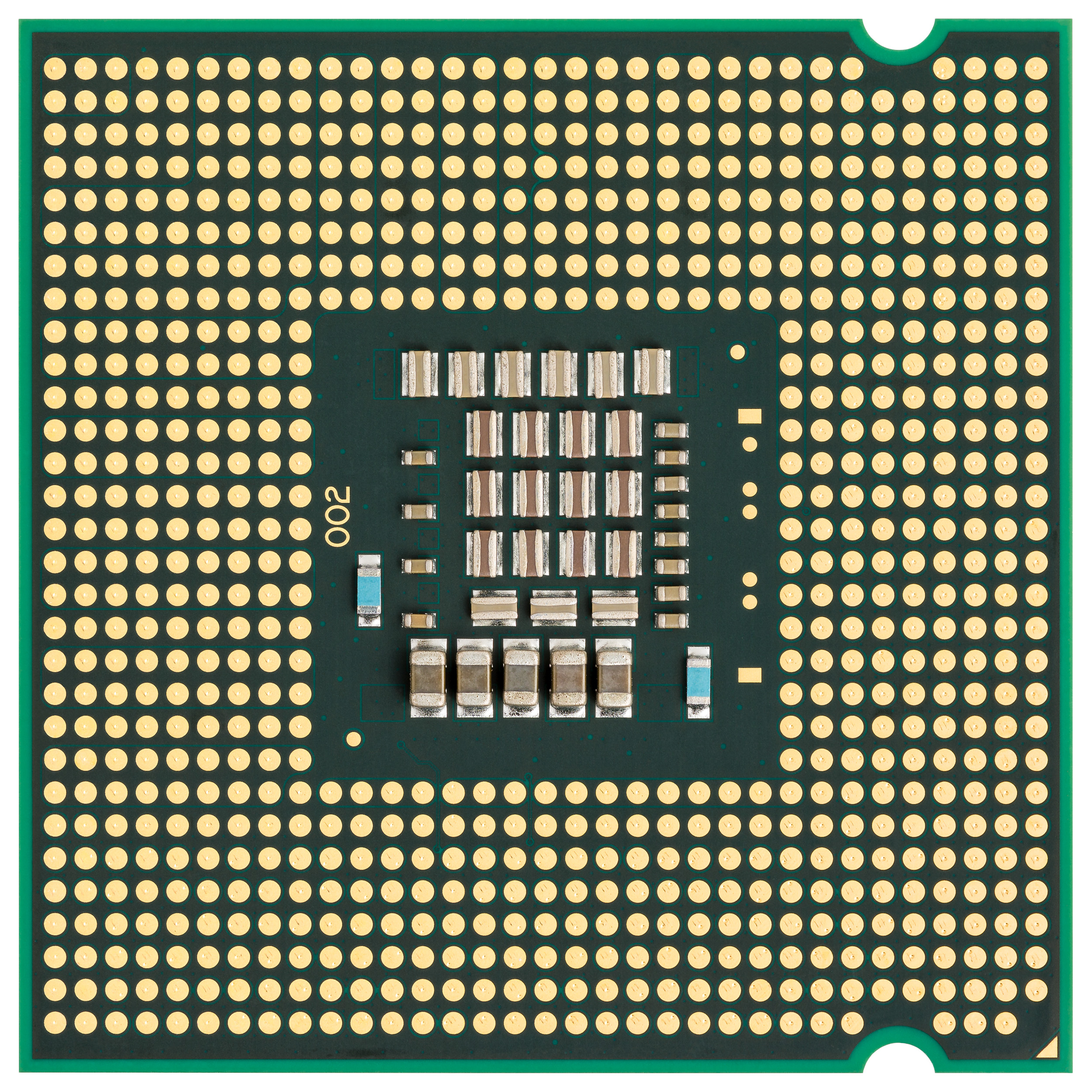
Though no concrete details about the hardware or software architecture have been released, industry observers note that the project appears to be leveraging cutting-edge advancements in computational design. These could include
- Enhanced thermal regulation systems to prevent overheating during sustained workloads.
- Optimized power consumption profiles to reduce operational costs without sacrificing performance.
- Support for next-generation data processing tasks, including AI-driven simulations and large-scale datasets.
Why Efficiency Matters
The emphasis on efficiency is not just a technical curiosity—it reflects broader industry trends where cost savings and sustainability are becoming as important as performance benchmarks. For organizations running data-intensive workloads, the ability to process more information while consuming less power can translate directly into lower operational expenses.
However, some questions remain unanswered. The exact nature of the project’s computational requirements—whether it will rely on traditional CPU/GPU architectures or explore newer paradigms like quantum-inspired processing—has yet to be confirmed. Additionally, the extent to which thermal management will integrate with software-level optimizations remains speculative.
For now, the focus is on ensuring that whatever form this next chapter takes, it will set a new standard for performance without compromising efficiency. The 2029 timeline suggests that developers are taking the time necessary to refine these aspects, but the final product may still surprise even its most enthusiastic supporters.