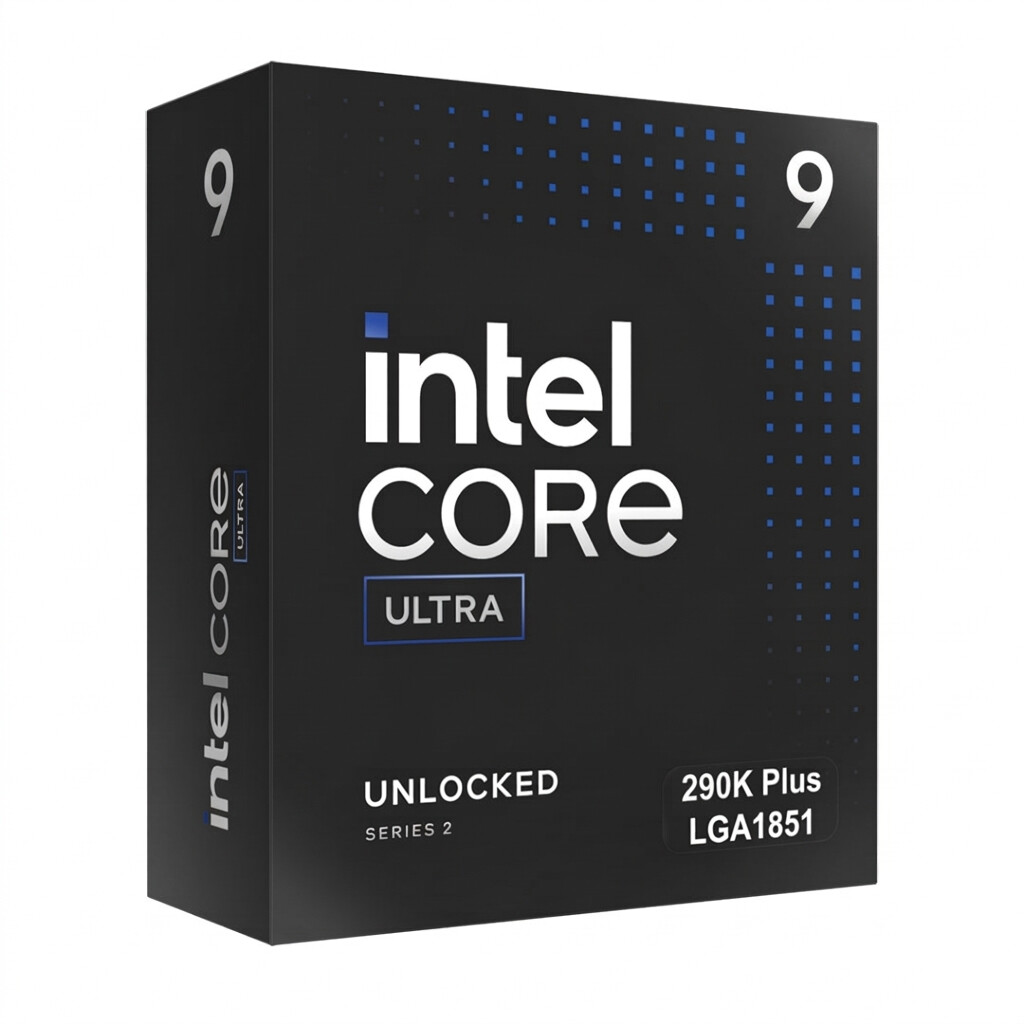
Intel’s approach to high-performance computing is undergoing a quiet but significant transformation. The cancellation of the Core Ultra 9 290K Plus—originally intended as the crown jewel of the Arrow Lake lineup—hints at broader changes in how Intel prioritizes performance metrics, thermal management, and efficiency in its desktop processors.
Design and build considerations played a pivotal role in this decision. The proposed flagship model would have mirrored the core configuration of its mid-range counterpart, the Core Ultra 7 270K Plus, with identical counts of performance (P-cores) and efficiency cores (E-cores). Differentiation would have relied solely on incremental clock speed adjustments, pushing both models toward a shared thermal envelope near the 200 W threshold. This overlap not only diluted potential market segmentation but also raised concerns about real-world performance gains that wouldn’t justify the increased power draw.
The hardware changes underlying this strategy reflect Intel’s growing focus on sustained efficiency over raw single-thread peaks. While the Core Ultra 7 270K Plus retains a high core count and robust cache (192 MB L3), its clock speeds are more deliberately calibrated for workloads that benefit from extended performance headroom rather than fleeting bursts.
- Performance Cores: 8 cores, max turbo 5.4 GHz, base 3.7 GHz
- Efficiency Cores: 16 cores, max boost 4.7 GHz, base 3.2 GHz
- Cache: 192 MB L3 cache
- TDP: 200 W
The shift away from a traditional flagship model suggests Intel is recalibrating its priorities in response to evolving demands—particularly in data centers, where compute-per-watt efficiency has become as critical as peak performance. Whether this strategy translates into tangible advantages for developers remains to be seen, especially as competitors continue to innovate in cache optimization and multi-threading efficiency.
For now, the Arrow Lake refresh leaves Intel with a mid-range powerhouse but no true flagship. The long-term success of this approach will depend on how well Intel can balance future roadmaps against the physical limits of silicon scaling—without sacrificing the performance gains that users expect from its high-end processors.