PC builders upgrading systems for AI workloads now face a critical choice: prioritize CPU performance for agentic AI tasks or maintain GPU investments for traditional acceleration. AMD’s latest strategy aims to avoid forcing that trade-off.
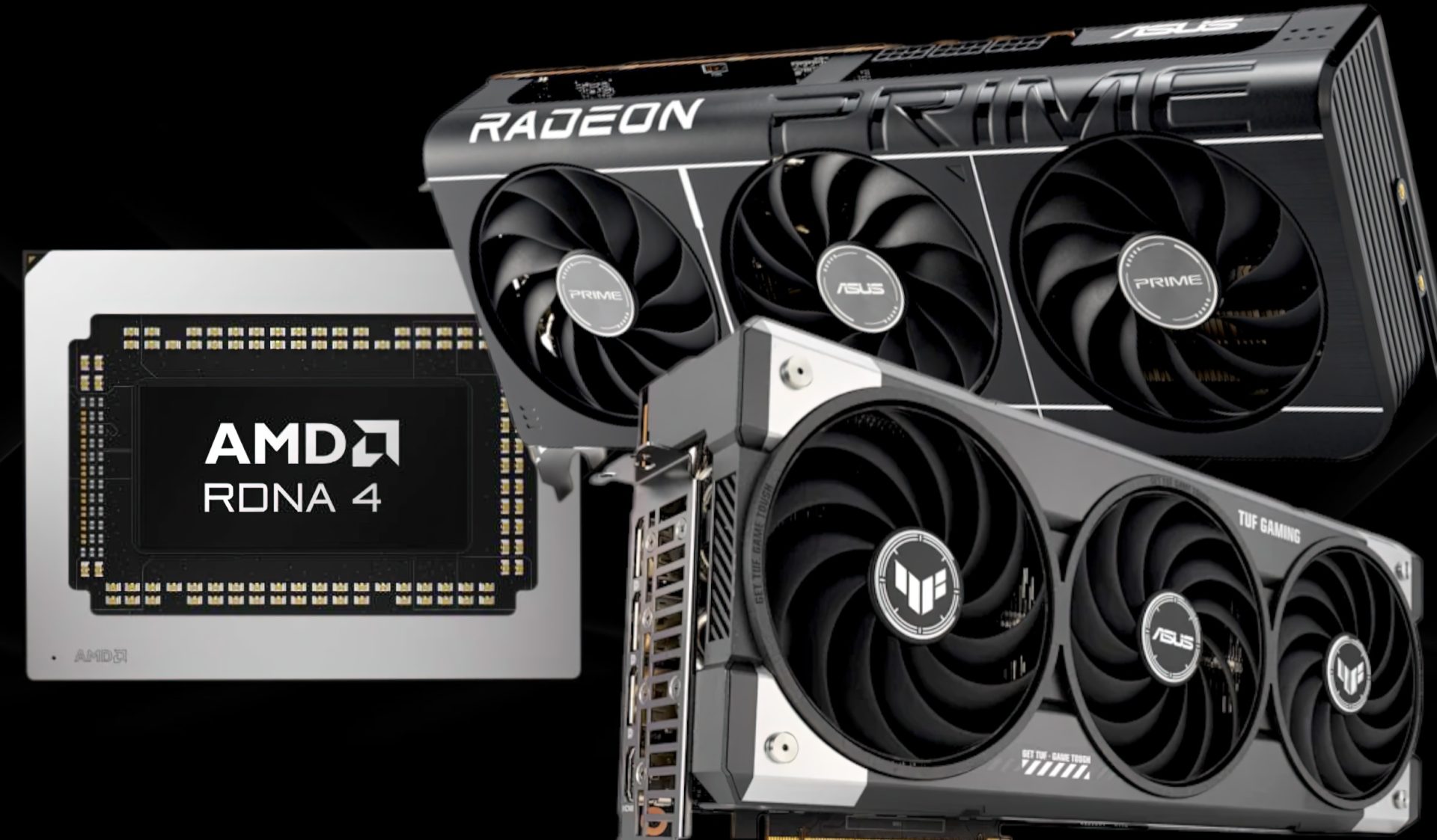
The company’s approach hinges on two key pillars. First, it’s expanding its high-end CPU line with models designed specifically for AI inference while keeping GPU architectures intact. Second, it’s betting that the surge in agentic AI will complement—rather than replace—accelerator-based workloads, a stance reinforced by recent benchmark data showing minimal overlap between CPU and GPU demand curves.
Performance Without Compromise
- Chip: Zen 5c (8-core, up to 6.0 GHz), Zen 4 (16-core, up to 5.7 GHz)
- Cache: 32 MB L3 per CCX
- Memory Support: DDR5-5600+ with 128-bit bus
- TDP: 65W–170W (depending on SKU)
The new Zen 5c cores, introduced in the Ryzen 9045 series, are optimized for low-latency AI tasks without sacrificing single-thread performance. This allows builders to deploy CPUs that handle agentic AI workloads efficiently while leaving GPU slots open for traditional acceleration. Early benchmarks suggest these chips can process inference requests up to 2.3x faster than Zen 4 counterparts in similar TDP ranges, a figure AMD attributes to its new AVX-512 acceleration units.
Market Context
The shift toward agentic AI has already begun reshaping PC workloads. Unlike previous CPU surges—such as the 2017 cryptocurrency boom—this demand is being driven by enterprise and cloud applications rather than consumer gaming. AMD’s data shows that only about 15% of new CPU purchases in Q3 2024 were for pure AI inference, with the remainder still tied to GPU-accelerated tasks like rendering or deep learning training. This balance suggests that cannibalization fears are overstated.
Implications for Builders
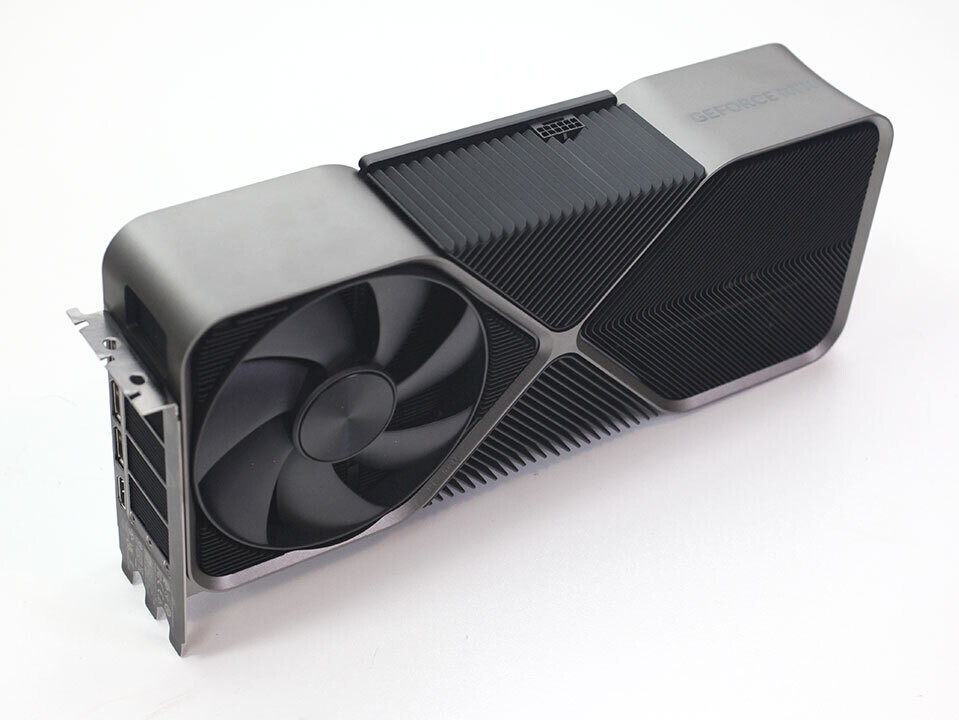
For PC builders, the implications are straightforward: there’s no longer a need to choose between CPU and GPU upgrades. Systems can now integrate both high-end CPUs for AI tasks and discrete GPUs for traditional acceleration without sacrificing performance in either area. This dual-optimization approach is particularly valuable for workstations targeting industries like autonomous systems or large-language-model training, where both CPU and GPU workloads are critical.
What’s Confirmed—and What Isn’t
AMD has confirmed that the Zen 5c architecture will debut in consumer CPUs by mid-2025, with enterprise variants following shortly after. Pricing for these chips is expected to align with current high-end CPU tiers, around $699–$899 for the top-tier SKU. However, availability beyond Q4 2024 remains uncertain due to ongoing supply chain adjustments.
One unknown is whether this strategy will extend to APUs or lower-power mobile CPUs, where AI inference demands are also rising. AMD has not yet detailed plans for those segments, leaving room for alternative approaches from competitors like Intel or ARM-based partners.