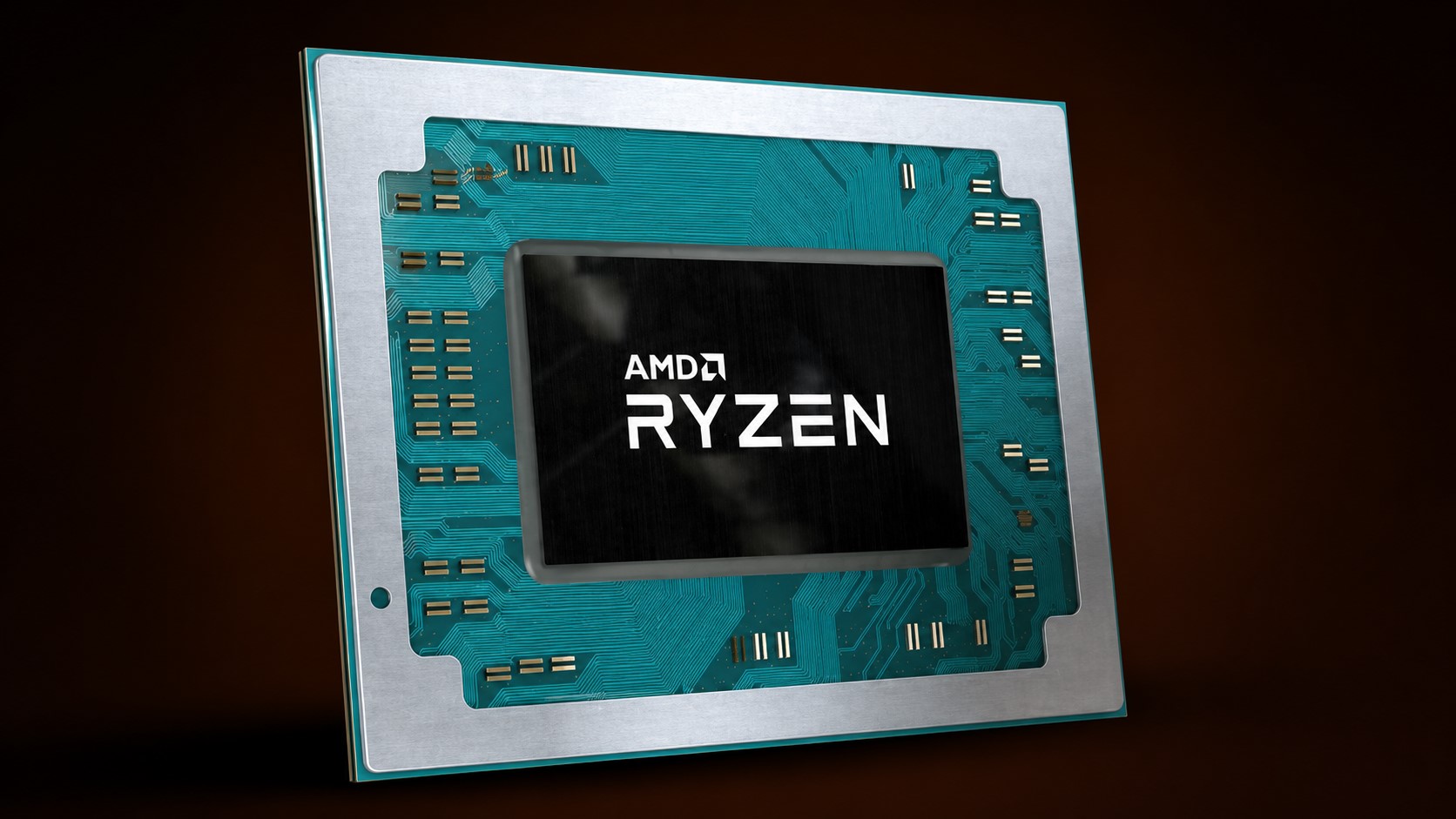
AMD has quietly introduced two new laptop processors—Ryzen 3 3100U and Ryzen 5 3501U—that revive a seven-year-old CPU design with surprising relevance in today’s market.
The move is strategic, targeting small businesses and mid-range laptops where power efficiency and cost matter more than raw performance. By dusting off Zen+, AMD avoids the complexity of newer architectures while still delivering solid single-threaded capabilities.
Key Specifications
- Model: Ryzen 3 3100U, Ryzen 5 3501U
- Architecture: Zen+ (7nm)
- Cores/Threads: 2C/4T (Ryzen 3), 4C/8T (Ryzen 5)
- Base Clock: Ryzen 3: 1.6 GHz, Ryzen 5: 2.0 GHz
- Max Boost: Ryzen 3: 3.6 GHz, Ryzen 5: 3.7 GHz
- TDP: 15W (configurable up to 25W)
- Cache: 4MB L2 (Ryzen 3), 8MB L2 (Ryzen 5)
- Integrated Graphics: Radeon Vega 3/8
- Memory Support: Dual-channel DDR4-2400
The chips are built on the same 7nm process used for Zen+ in 2017, but with modern power management and efficiency tweaks. The Ryzen 5 3501U, in particular, stands out with four cores and eight threads—rare in this power envelope—making it a strong candidate for light productivity tasks like spreadsheets or basic video editing.
Why This Matters
For small businesses, these processors offer a middle ground between ultra-low-power Pentium-level chips and the overkill of modern Zen 3/4 parts. The 15W TDP ensures long battery life without sacrificing responsiveness in everyday workloads. Meanwhile, AMD avoids the thermal and power constraints that plague higher-end mobile CPUs.
There’s a catch: these are not the fastest chips on the market. Benchmarks suggest they’ll trail newer Zen-based models by 10-20% in raw performance. But for laptops under $500, that trade-off is moot. The real question is whether OEMs will adopt them en masse—AMD’s quiet launch suggests confidence, but no concrete availability details have emerged yet.
If adopted widely, these chips could shift the budget laptop landscape, proving that older architectures still have life when paired with smart power management.