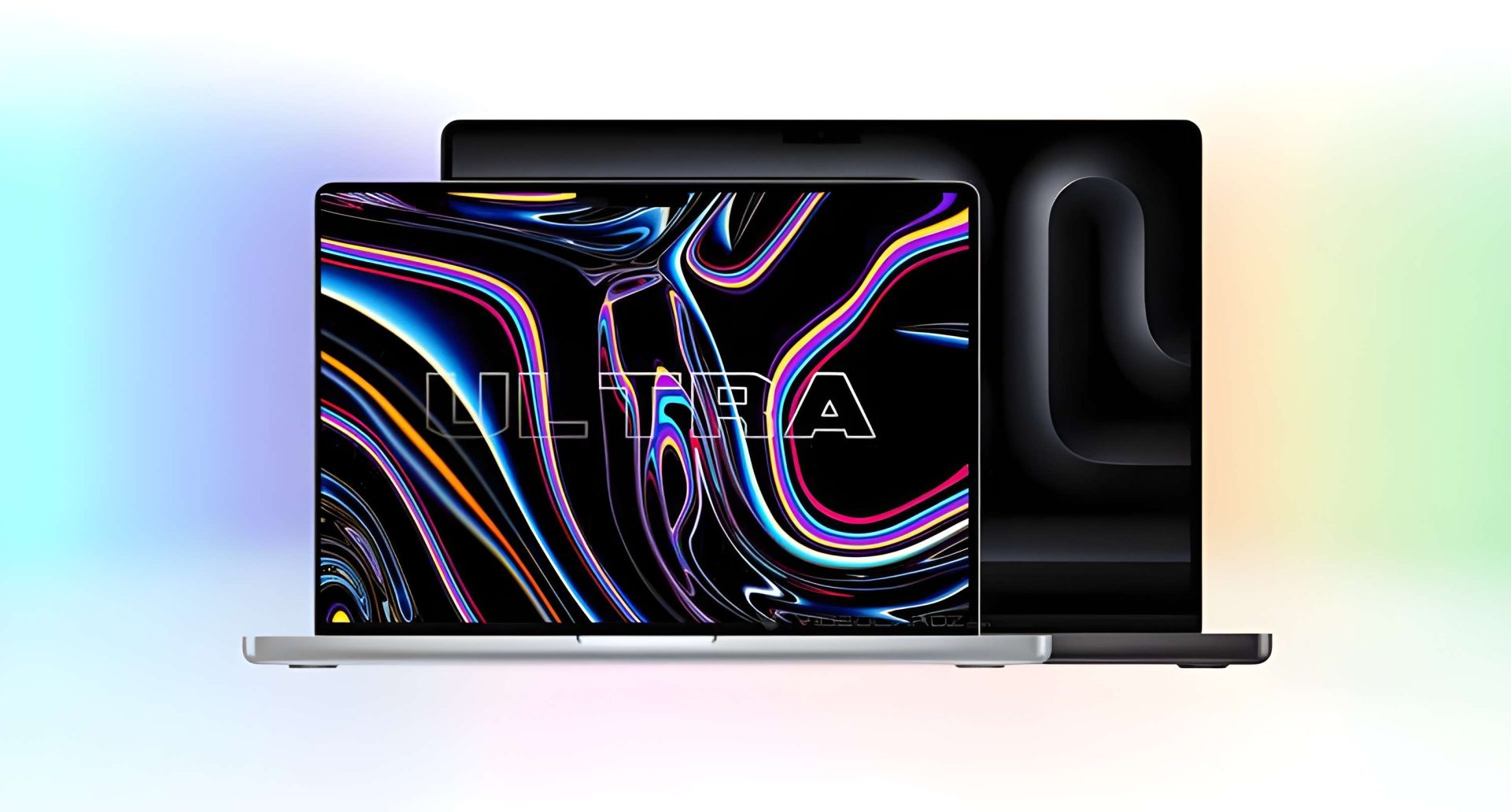
The evolution of Thunderbolt technology has always been tied to raw throughput numbers—until now. The latest hub from a leading connectivity provider shifts the conversation toward efficiency, promising small businesses a way to maximize performance while minimizing waste, both in power and desk space.
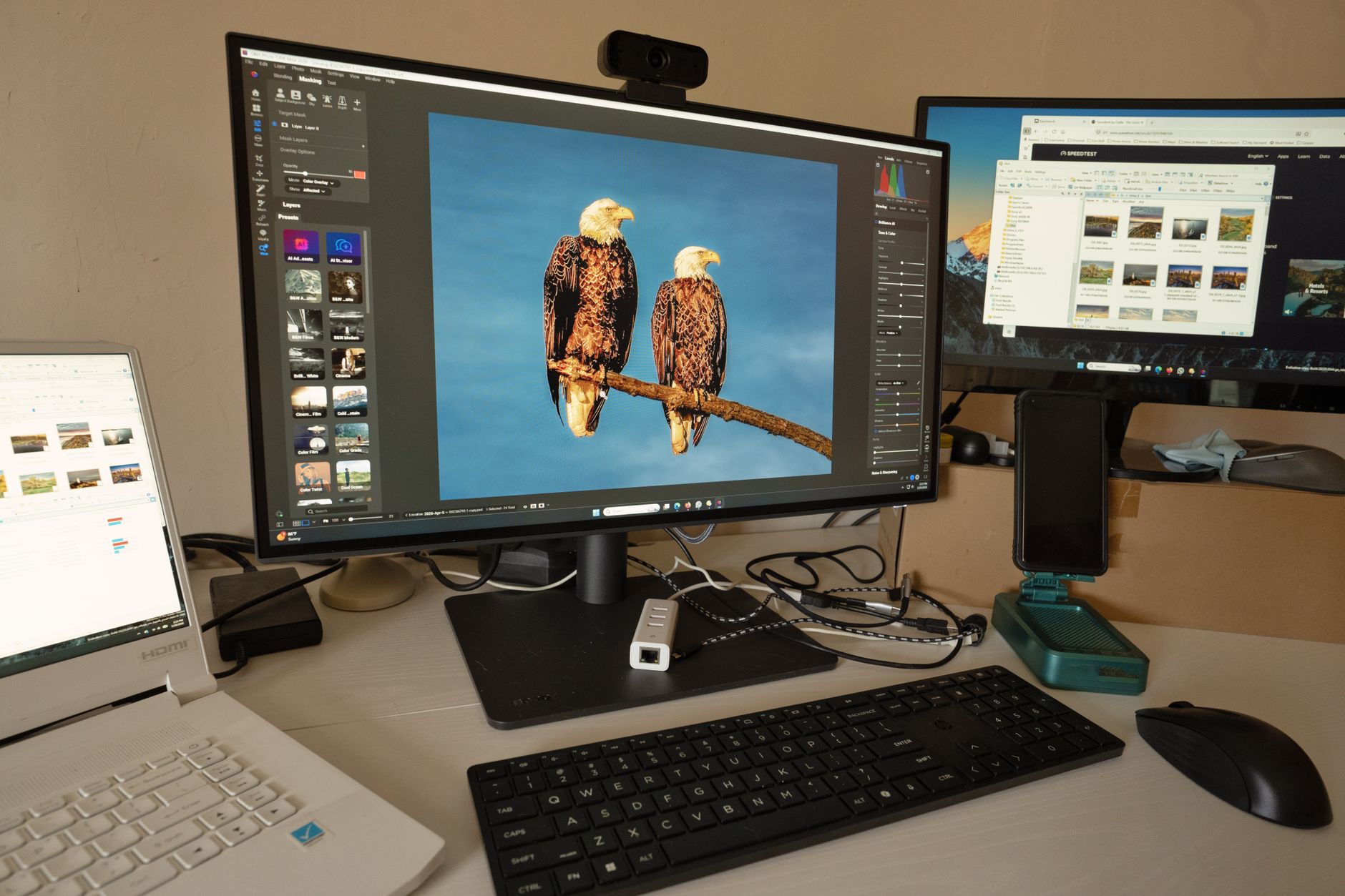
At the heart of this shift is a 4-port Thunderbolt 5 hub designed for collaborative workspaces. It doesn’t just promise speed; it delivers a tangible reduction in desktop clutter by integrating Thunderbolt Share, allowing two laptops to share peripherals and displays through a single connection. For small businesses juggling dual-system workflows—whether for video editing, development, or enterprise IT—the hub aims to streamline setups that traditionally require bulky KVM switches.
Performance Meets Practicality
The hub’s specifications reflect a focus on real-world demands rather than theoretical benchmarks. It supports up to 80 Gbps of bi-directional throughput, with bandwidth scaling to 120 Gbps for display-intensive tasks—enough to handle multiple 6K or 8K monitors simultaneously. This isn’t just about resolution; it’s about future-proofing workstations without sacrificing efficiency.
Power delivery is another standout feature, offering up to 140 W of charging capacity for laptops, while maintaining a compact footprint. The rugged aluminum chassis and VESA mounting options suggest this isn’t just a consumer accessory—it’s built for professional environments where durability and clean integration matter.
A Closer Look at Efficiency
- Thunderbolt 5’s performance-per-watt advantages become critical in small business setups, where power consumption and heat dissipation are often overlooked but increasingly relevant as workloads grow more demanding.
- The hub’s ability to consolidate peripherals (keyboard, mouse, display) into a single connection reduces cable clutter while improving workflow efficiency—no more switching between systems for basic tasks.
However, the practical impact of Thunderbolt Share extends beyond convenience. For businesses running dual-system setups—for example, one laptop for design and another for data analysis—the hub eliminates the need for dedicated KVM hardware, potentially saving both cost and space. File transfers between systems are also seamless, a feature that could be particularly valuable in creative or development environments.
Heat and Efficiency: The Unspoken Challenge
The push toward efficiency isn’t without its trade-offs. While Thunderbolt 5’s architecture is designed to minimize power waste, the hub’s performance—especially under heavy display loads—could introduce thermal challenges that aren’t fully addressed in the product details. Small businesses may need to balance these hubs with active cooling solutions or monitor usage patterns to avoid overheating.
Still, the hub’s focus on reducing desktop complexity aligns with broader industry trends. As laptops become more powerful but desk space remains limited, accessories like this one are filling a gap between raw performance and practical usability. For small businesses, it represents a step toward smarter workstation design—one that doesn’t just push numbers but also rethinks how devices interact.
The hub will be available through select distributors, backed by enterprise-grade support and testing in specialized labs. Whether it lives up to its efficiency promises remains to be seen, but the shift from raw specs to real-world impact is a notable direction for Thunderbolt’s next generation.